Key Takeaways
⌃- The Evolution of the Machine-Readable Web
- What comes After llms.txt?
- Optimizing for the Technical Buyer Agent
- What Information Should an AI Agent Be Able to Find?
- Four Steps to Make Your Website More Agent-Friendly
- What Businesses Should Not Do
- How SEO India Helps Build an LLM-Ready Website
- How to Evaluate Your Website Before You Build for Agents
- Frequently Asked Questions
- Final Takeaway
For years, most businesses built their websites with two audiences in mind: people and search engines. People needed clear information and easy navigation. Search engines needed pages that could be crawled, indexed, and ranked.
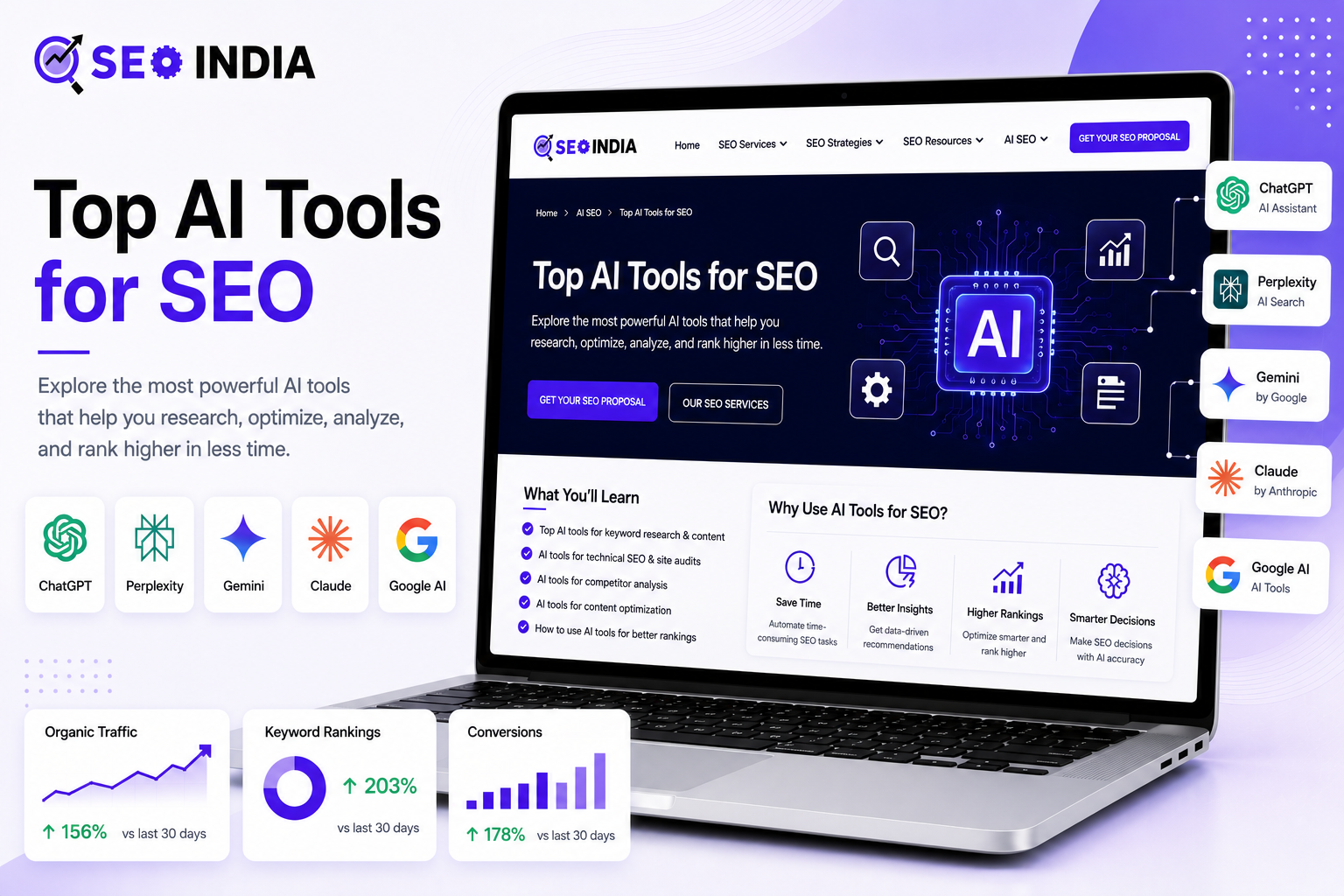
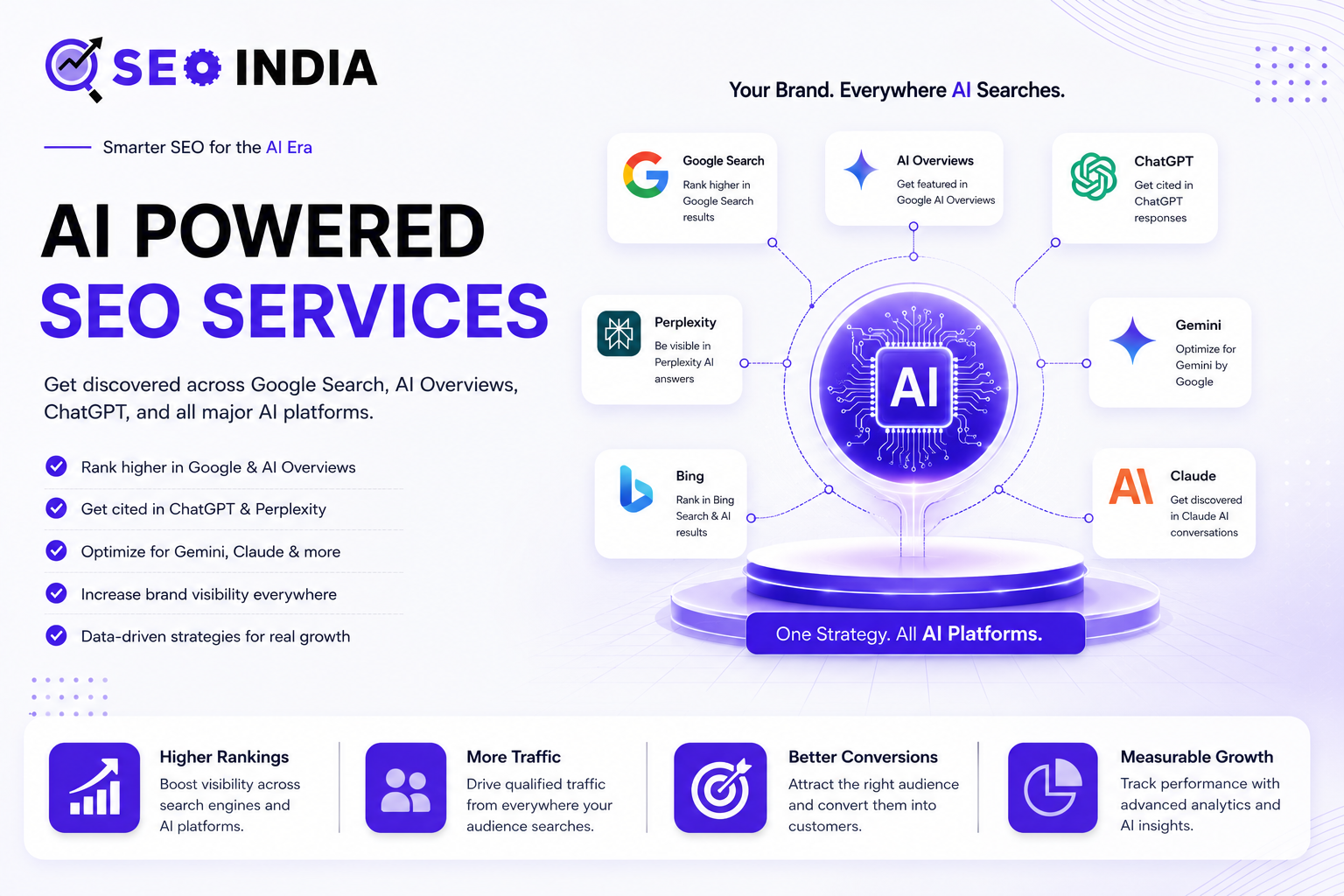
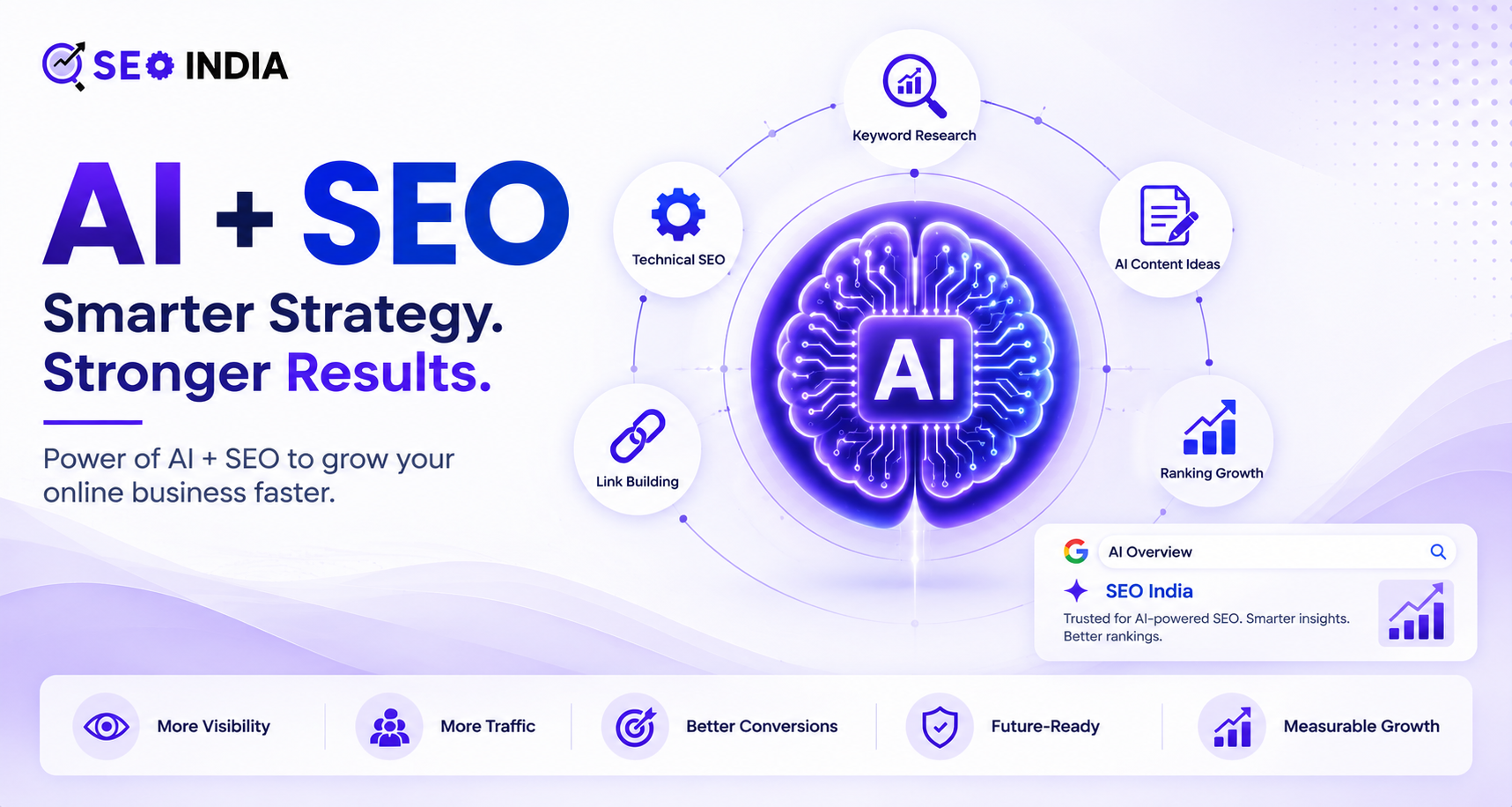
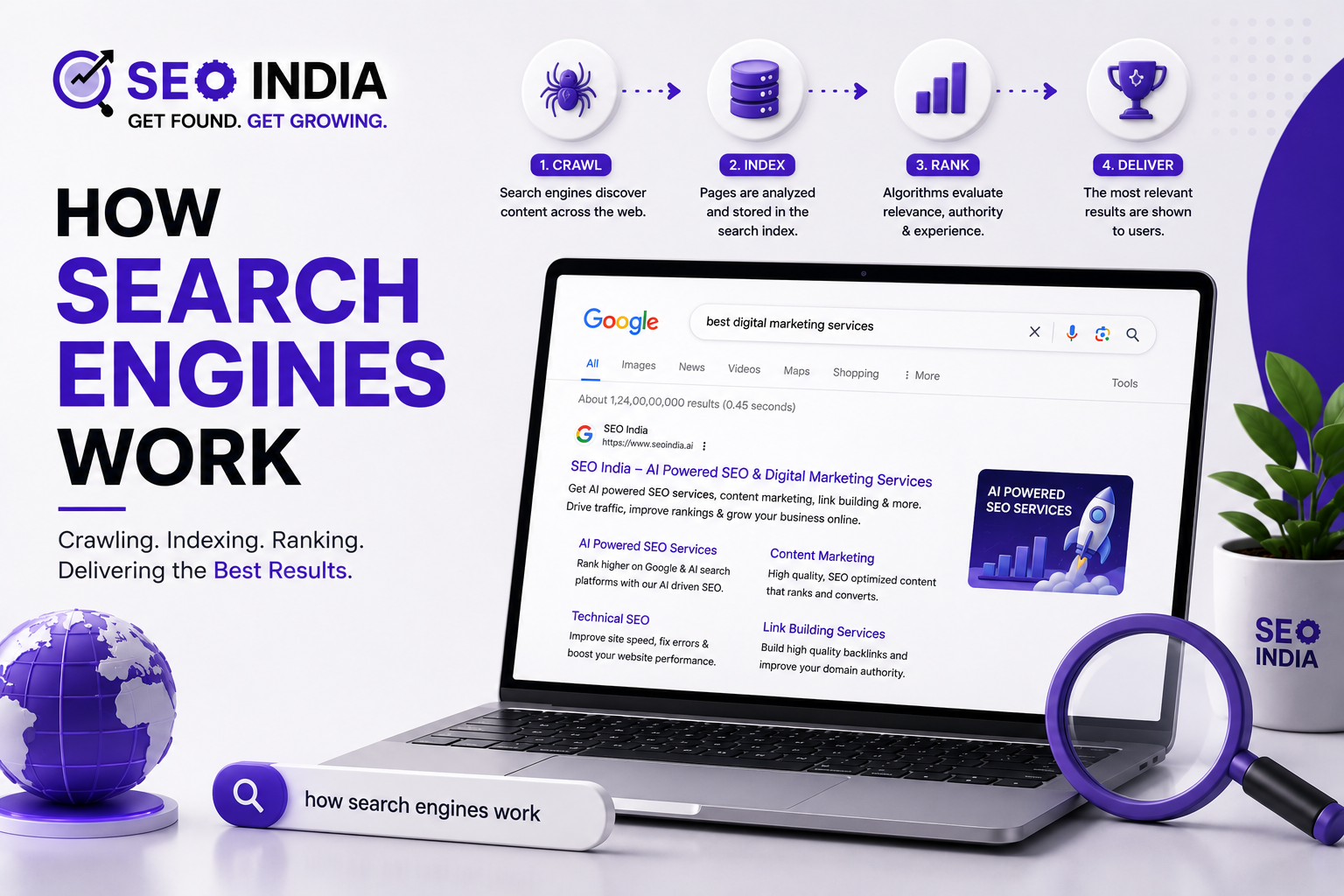
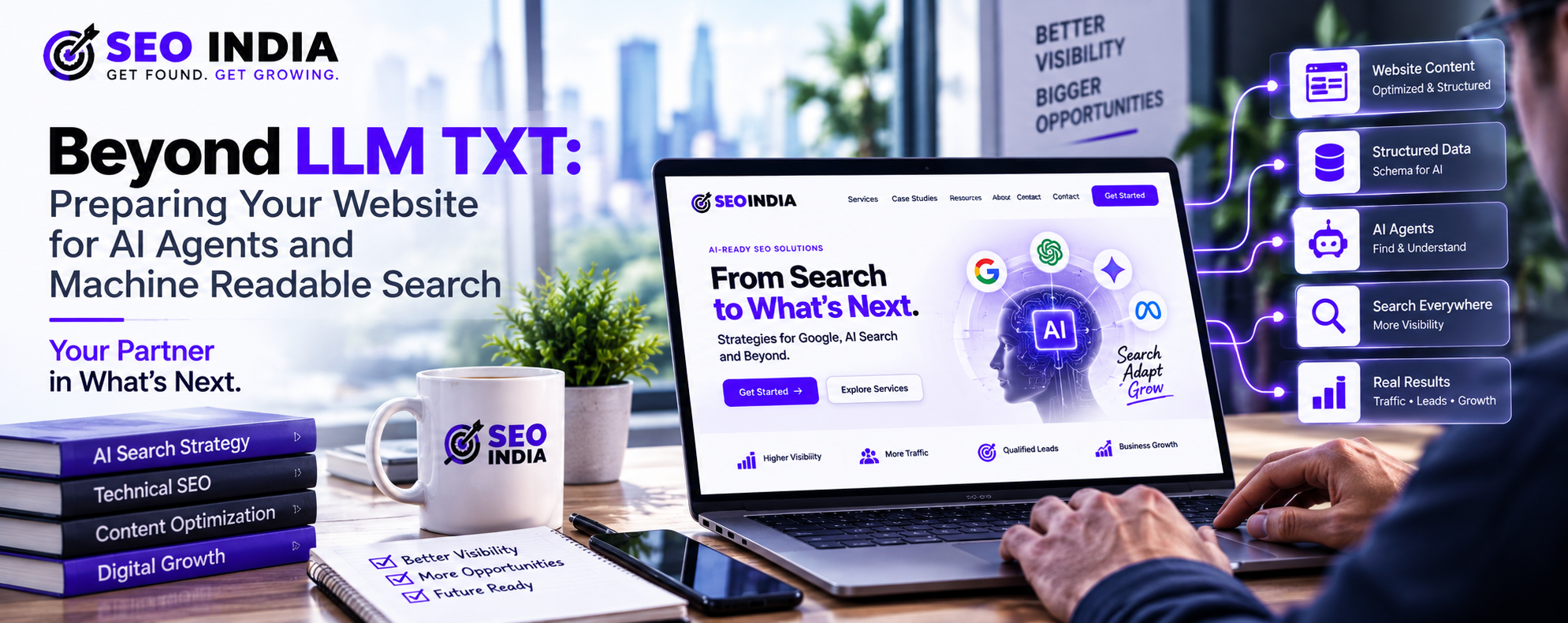
AI search has added a third audience to that equation. Platforms like ChatGPT, Gemini, Perplexity, and Google’s AI-powered results now read, compare, and summarize information across the web before producing an answer for the person asking.
The next stage beyond that is the growing agentic web — where software agents increasingly research information and take action on a user’s behalf, rather than simply handing back a list of links. Google has already begun acknowledging agent-based browsing as part of how information gets discovered and used going forward.
That shifts the real question a business needs to ask. It’s no longer just “can people find my website” or “am I ranking well on Google.” It’s whether the information on your site is organized clearly enough for a machine — not just a person — to understand, evaluate, and use.
The Evolution of the Machine-Readable Web
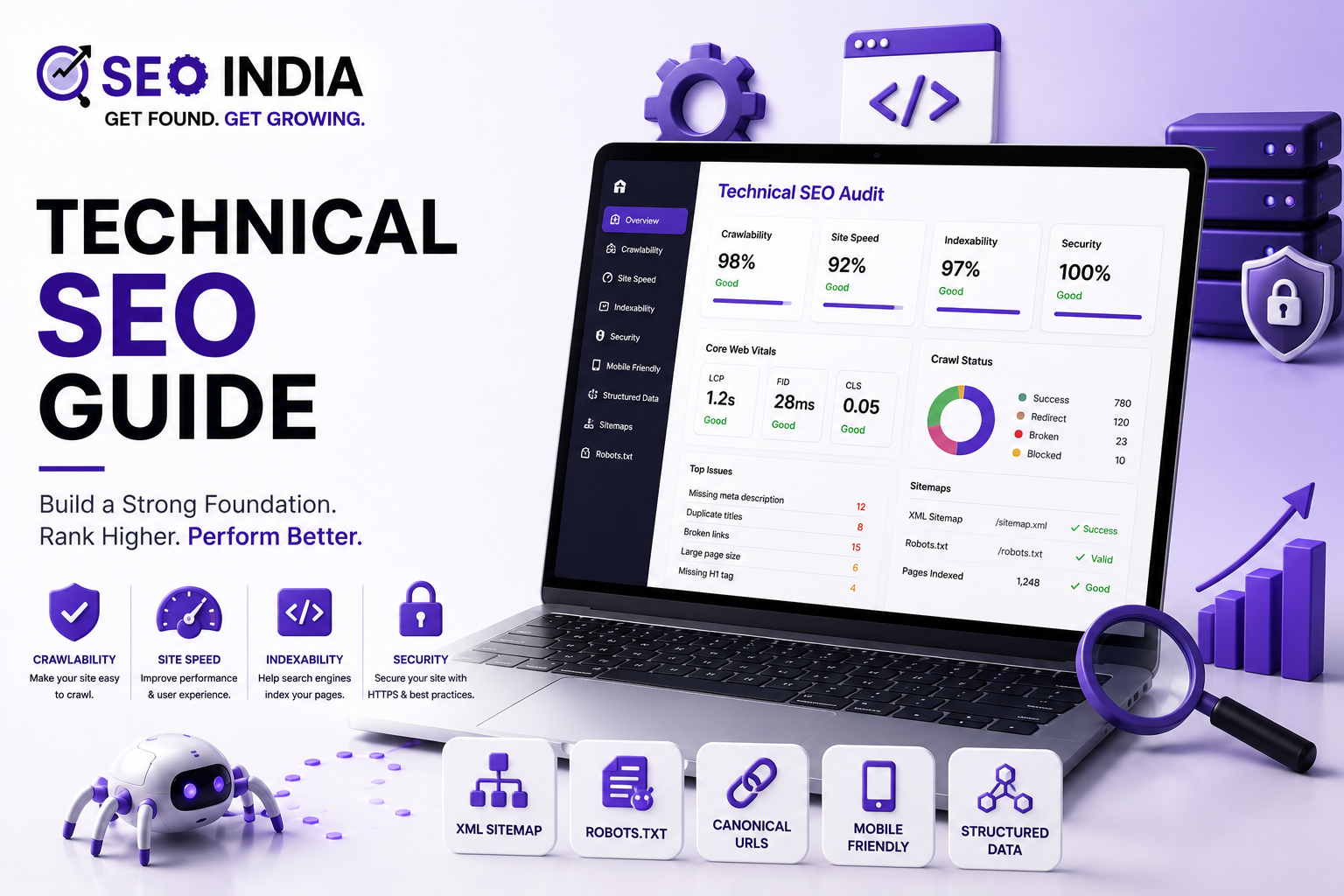
Search engines have relied on machine-readable signals since the earliest days of SEO. A robots.txt file tells crawlers what they’re allowed to touch. A sitemap gives them a map of the site. Schema markup tells them what a page actually represents — a product, a review, a local business, an event.
llms.txt is the newest entrant in that lineage, but it solves a narrower problem than most people assume. It’s a plain Markdown summary meant to help an AI model quickly grasp what a site is about, without needing to parse every page. Useful in theory — but Google has stated plainly that it plays no role in how Search ranks a page.
That distinction matters for Indian businesses in particular, where a lot of “AI SEO” advice circulating online treats llms.txt as if it were the new sitemap.xml. It isn’t. It’s one small, optional piece in a much larger picture of how machines read your site.
What Comes After llms.txt?
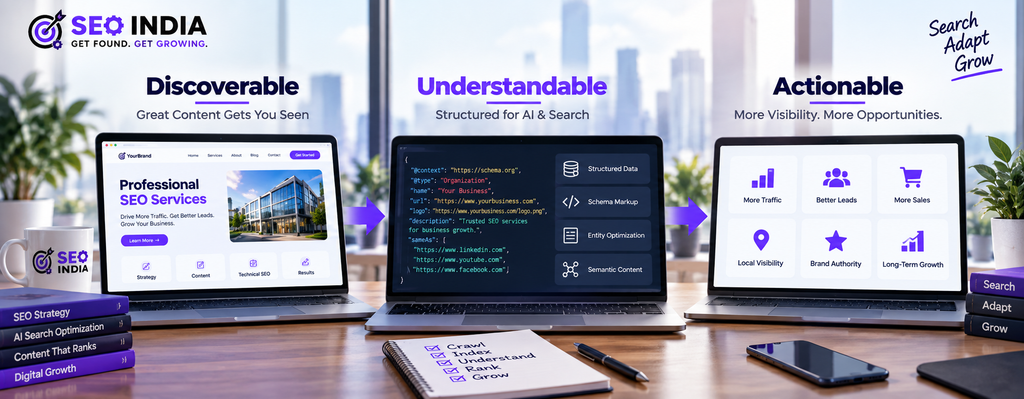
Rather than asking “what file should I add next,” the more useful exercise is figuring out what an AI model would need in order to actually understand your business well enough to recommend it.
For most businesses we work with at SEO India — local service providers, healthcare practices, manufacturers, franchises — that comes down to a handful of things: a clearly written explanation of what you do, who you serve, where you operate, and roughly what it costs to work with you. Nothing exotic. The gap usually isn’t a missing AI file — it’s that this basic information is scattered, outdated, or buried three clicks deep.
Fixing that groundwork tends to matter more for AI visibility than any single markup format ever will.
Optimizing for the Technical Buyer Agent

B2B buyers are increasingly letting AI tools do the first round of vendor research before a human ever gets involved — comparing service scope, pricing models, and turnaround times across a shortlist before reaching out to anyone.
That changes what a website needs to expose. If your pricing, process, or service inclusions only exist behind a “request a quote” form, an AI agent researching on a buyer’s behalf simply can’t factor you into the comparison — you get filtered out before the conversation even starts. You don’t need to publish every commercial detail, but the general shape of your pricing and process needs to be visible and legible, not gated entirely.
What Information Should an AI Agent Be Able to Find?
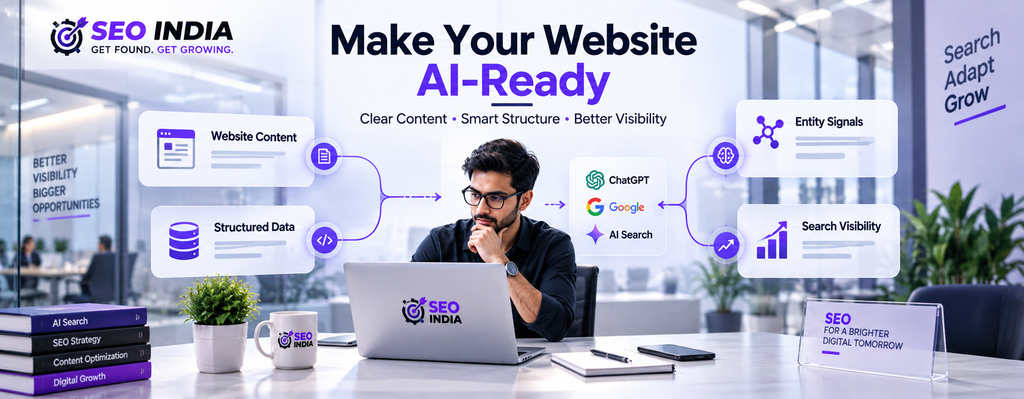
Try this exercise: assume an AI tool has no prior knowledge of your company and is trying to decide, in a few seconds, whether you’re relevant to a specific query. What would it need to see?
Who you are — a consistent business name, service area, and contact details across your website, Google Business Profile, and any directories you’re listed on.
What you actually offer — service descriptions that go beyond a single vague sentence, written in language a customer would actually use.
Proof you’re legitimate — genuine testimonials, case studies, or credentials, not just a logo wall.
What happens next — an obvious, low-friction way to take the next step, whether that’s a call, a form, or a quote request.
Four Steps to Make Your Website More Agent-Friendly
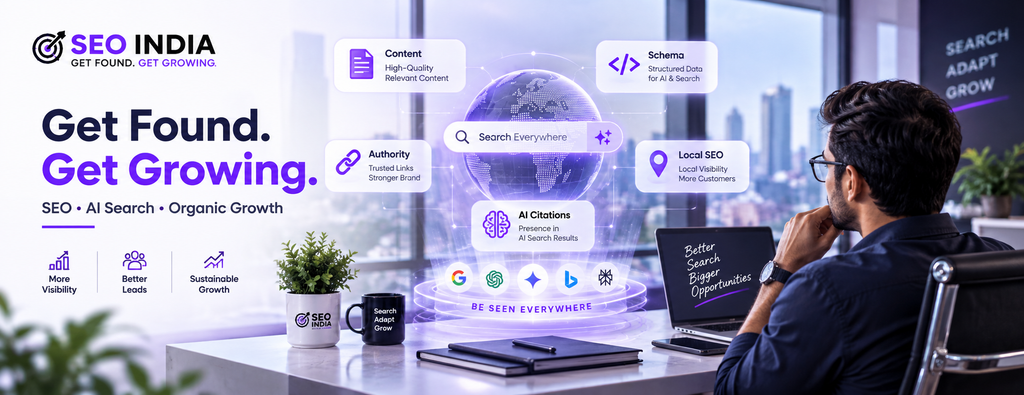
Fix the information gaps first. Before touching any technical file, walk through your own service pages as if you were a stranger. Note everywhere the answer isn’t obvious.
Apply schema markup with intent. Use LocalBusiness, Service, or FAQ schema where it genuinely matches your content — not as a blanket add-on across every page template.
Write for extraction, not just persuasion. Structure key answers (pricing ranges, service areas, turnaround times) so they can be lifted cleanly by a machine, not buried inside long marketing paragraphs.
Add llms.txt last, if at all. It’s a low-cost addition once everything else is in order, not a starting point.
What Businesses Should Not Do
There’s a growing tendency to treat every new AI-related term as a growth hack. It isn’t. Uploading an llms.txt file doesn’t guarantee a ChatGPT citation. Stuffing a page with schema types that don’t match its actual content doesn’t build credibility — if anything, it risks confusing both crawlers and AI parsers about what the page is really for.
The advice that actually holds up is unglamorous: if your service pages read like they were written in 2015, rewrite them. If your pricing has always been “call for a quote,” consider giving at least a general range. If your business details don’t match across your website and your listings, reconcile them. None of this depends on which AI platform wins next.
How SEO India Helps Build an LLM-Ready Website
Getting a site genuinely ready for AI search isn’t a single task — it’s the combination of clean technical structure, content that actually answers real questions, and consistent business information across the web, tied together and measured over time.
At SEO India, our AI-Powered SEO and LLM SEO work covers exactly this: auditing where a business is currently invisible in AI search, fixing structural and schema issues, rewriting thin or vague content into something genuinely useful, and tracking visibility across ChatGPT, Perplexity, and Google’s AI-driven results alongside standard organic rankings.
How to Evaluate Your Website Before You Build for Agents
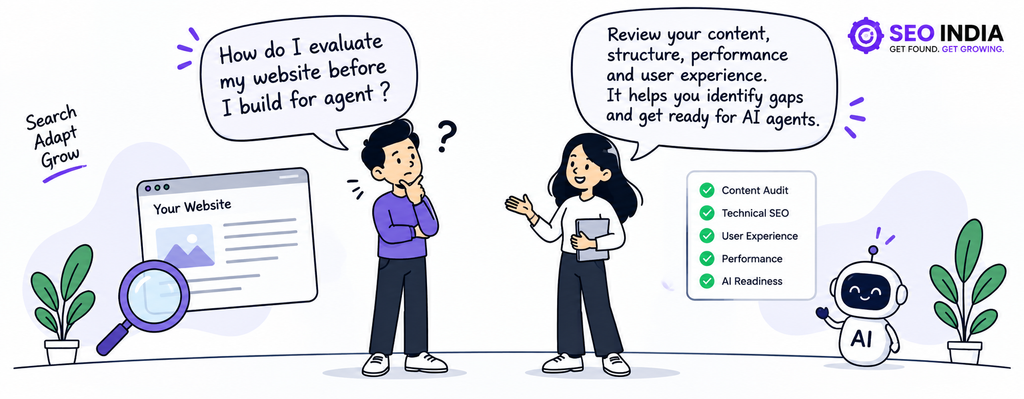
Before adding anything new, it’s worth running a plain audit of what already exists.
Start with consistency — does your business appear the same way everywhere it’s listed? Move to commercial clarity — could a stranger tell what you charge and how the process works? Check the technical layer if it applies to your business — are integrations or requirements documented anywhere? And finally, check for outside proof — do reviews, mentions, or case studies back up what your site claims?
This kind of audit almost always turns up more valuable fixes than jumping straight into new file formats.
Frequently Asked Questions
Is llms.txt required for AI visibility?
No. Google has confirmed it plays no role in Search rankings. It’s an optional extra for specific AI tools, not a replacement for solid content and technical SEO.
What’s the real difference between “AI-ready” and “agent-ready”?
AI-ready means your content is clear and structured enough for an AI system to interpret correctly. Agent-ready goes a step further — considering whether software could interact with your site directly, which matters for some businesses more than others.
Do I need an agent manifest file for my business?
Almost certainly not yet. These formats are still experimental. Time is far better spent on clear content and consistent business information.
Does adding schema markup guarantee AI citations?
No. Schema helps machines interpret what’s already on the page — it doesn’t manufacture authority or trust where the underlying content is weak.
How does SEO India approach LLM readiness?
Through a mix of AI visibility auditing, technical fixes, content rewrites, and ongoing tracking of how a business shows up across AI search tools, not just Google’s organic results.
Final Takeaway
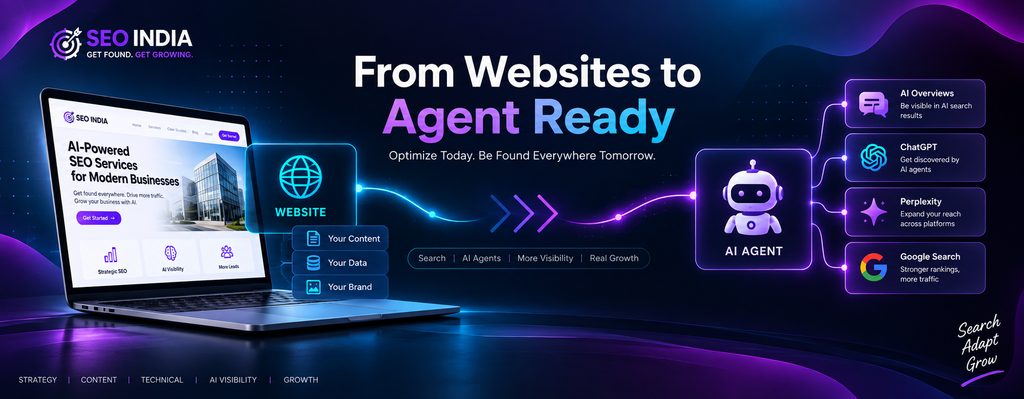
No single file or schema type is going to determine who wins the next phase of search. What’s changing is how much AI systems are being trusted to evaluate — not just find — information on a business’s behalf.
The businesses that come out ahead won’t be the ones that rushed to adopt every new AI file. They’ll be the ones whose websites were already clear, consistent, and genuinely useful — to customers, to search engines, and now to the AI systems standing in between the two.