AI and SEO: A new era for search
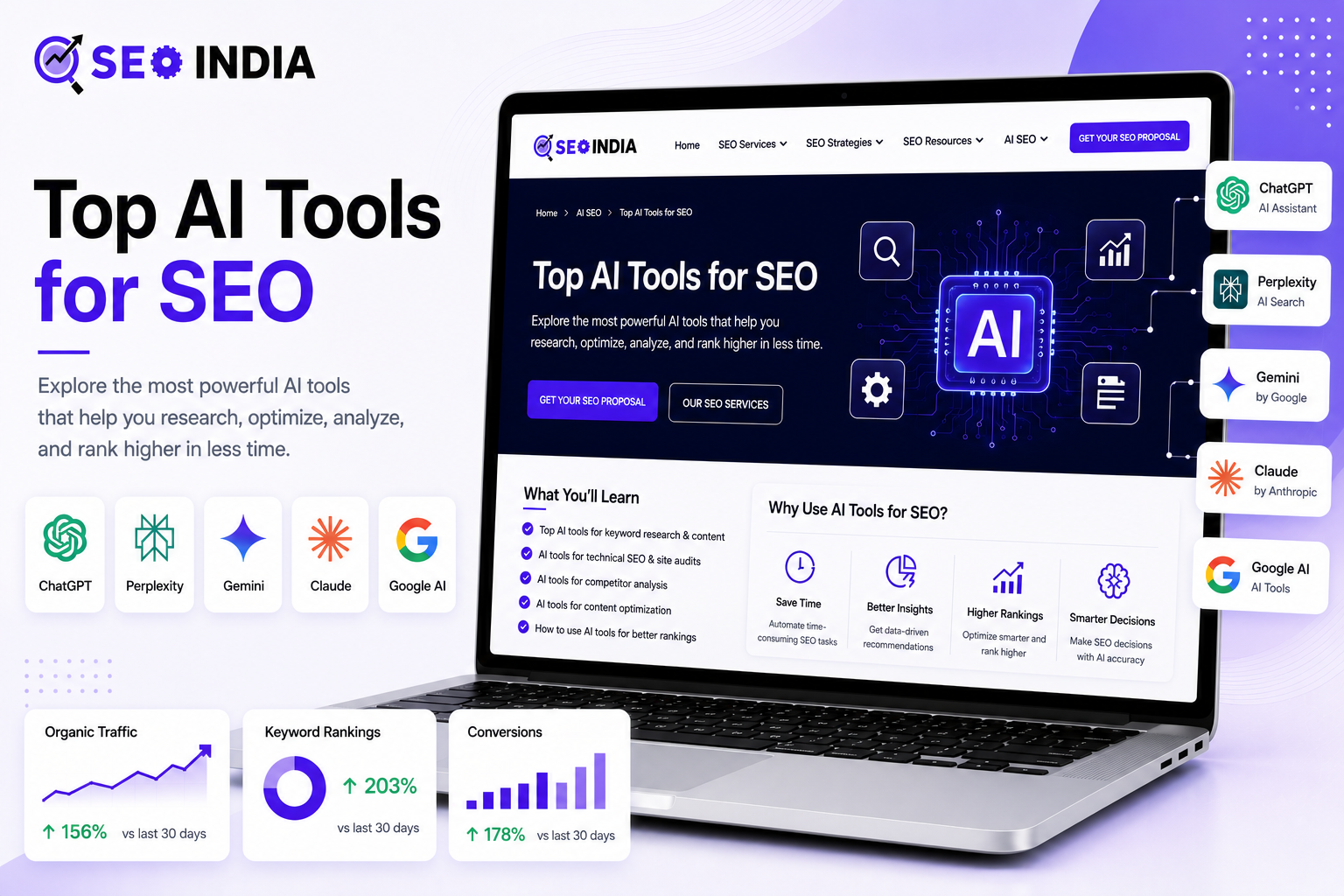
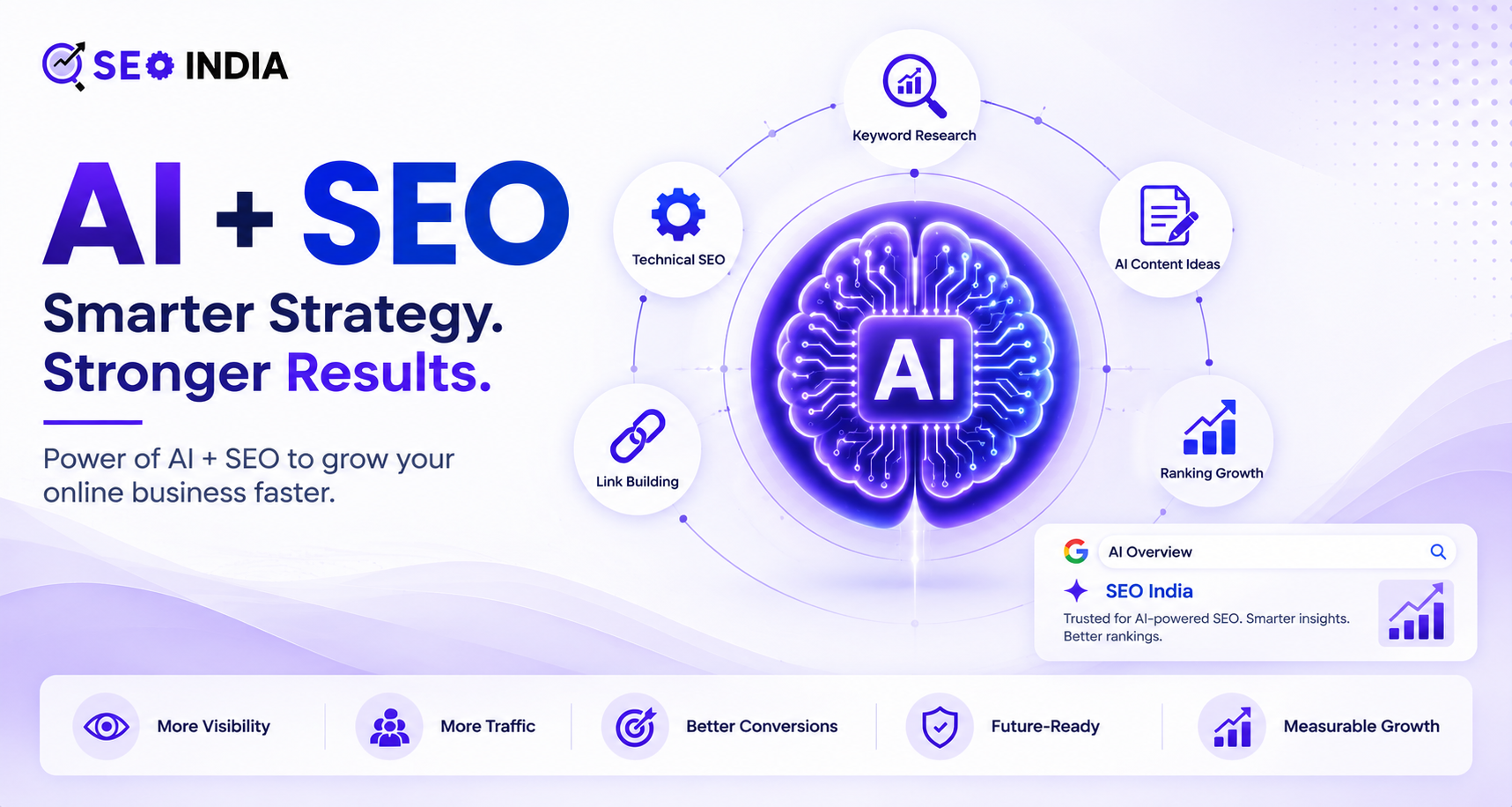
AI has reshaped work, and search has not been exempt. Generative AI has started to touch almost all elements of SEO, from generating better title tags to researching links faster. There are virtually endless possibilities for the application of AI in the process.
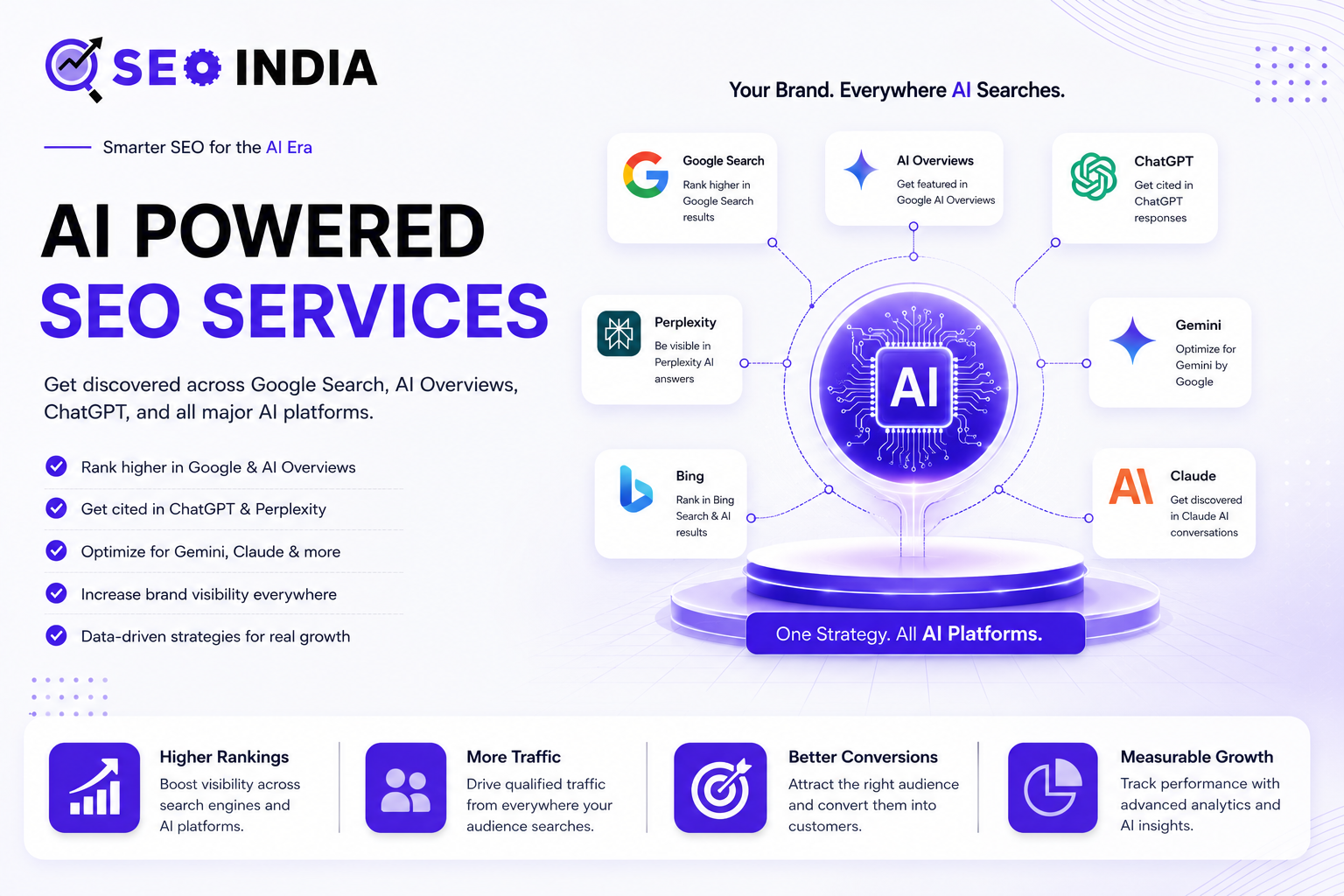
However, AI has also started to open a new domain for search especially. Google AI Overviews, ChatGPT, and Meta’s own AI tools are actual contenders to classical Google search. Customers are now relying on these tools more and more in researching and making purchasing decisions, and this shift is especially pronounced in certain industries over others.
Your competition are already in search of new ways to integrate AI into their SEO practices, whether it’s about securing their brand for LLM-based searches, using generative AI to enhance competitor research, and/or implementing AI to improve their content output, and more. SEO practices are entering a new epoch, and the best preparation now will result in you achieving the greatest competitive advantage.
How you can use AI for SEO
Keyword and content topic identification
Competitor analysis
Using AI for competitive research can be made a whole lot easier by a tool like ChatGPT which allows you to input URLs directly. Some of the prompts you can try are:
- Top-ranking pages: Paste in URLs currently ranking for a keyword you want to target, and ask the AI to compare their SEO approach against your own page.
- Quality guidelines: Share Google’s publicly available quality rating criteria so the AI has context to evaluate where your site may be falling short.
- Competitor keywords: Provide a list of keywords your competitors already rank for, and ask the AI to help build a content strategy around them.
- Forum discussions: Since community platforms increasingly show up in search results, ask AI to summarize relevant discussions you could turn into new content or use to strengthen existing pages.
- Competitor reviews: Pull reviews of competitors from platforms like Google or industry-specific review sites, and have AI summarize their common strengths and weaknesses giving you a clear angle to address directly on your own site.
- Open-ended questions: If you’re unsure about anything, simply ask. Most LLMs handle detailed, lengthy prompts well.
Content writing
This is one area that you need to be careful with. Using AI to help you with content is not flagged, but still has to be of good quality, and using AI to write the whole thing with little to no quality control is a serious risk.
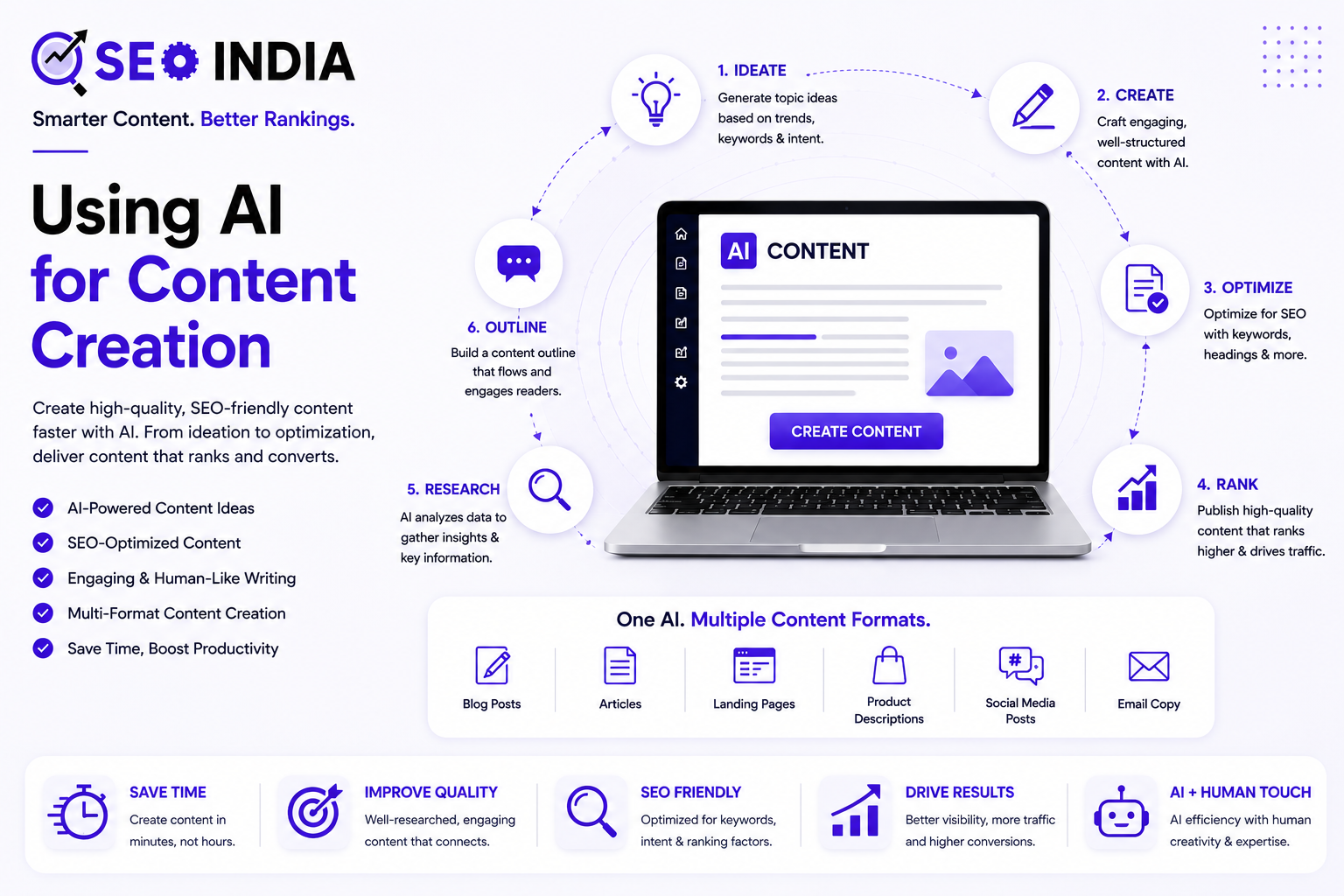
AI is known to generate and hallucinate results that are wrong and made up, so content quality is very important. Some businesses have found that AI-led content has performed and brought great results, while other honest businesses have found that it ruined the businesses’ online reputation. A good compromise is to use AI to research, outline and identify the points that are to be covered, and to write the first draft, to augment the content with a moderate level of real-world experience and insights.
Building Backlinks
This process in general takes a lot of time and AI can eliminate some of the boring parts of doing this. Just remember that so many other people are doing the same thing and it is causing a lot of low-quality, spammy outreach that email providers are trying to get a stronger control on.
AI helps produce high-quality, easily linked resources. Instructing AI to write simple, programable website tools, or generate diagrams and images that elaborate on difficult concepts can produce tools that other publishers will cite. Direct your focus on creating high-quality resources, as opposed to high-quantity and low-quality resources.
And more
Our approach to AI SEO at SEO India
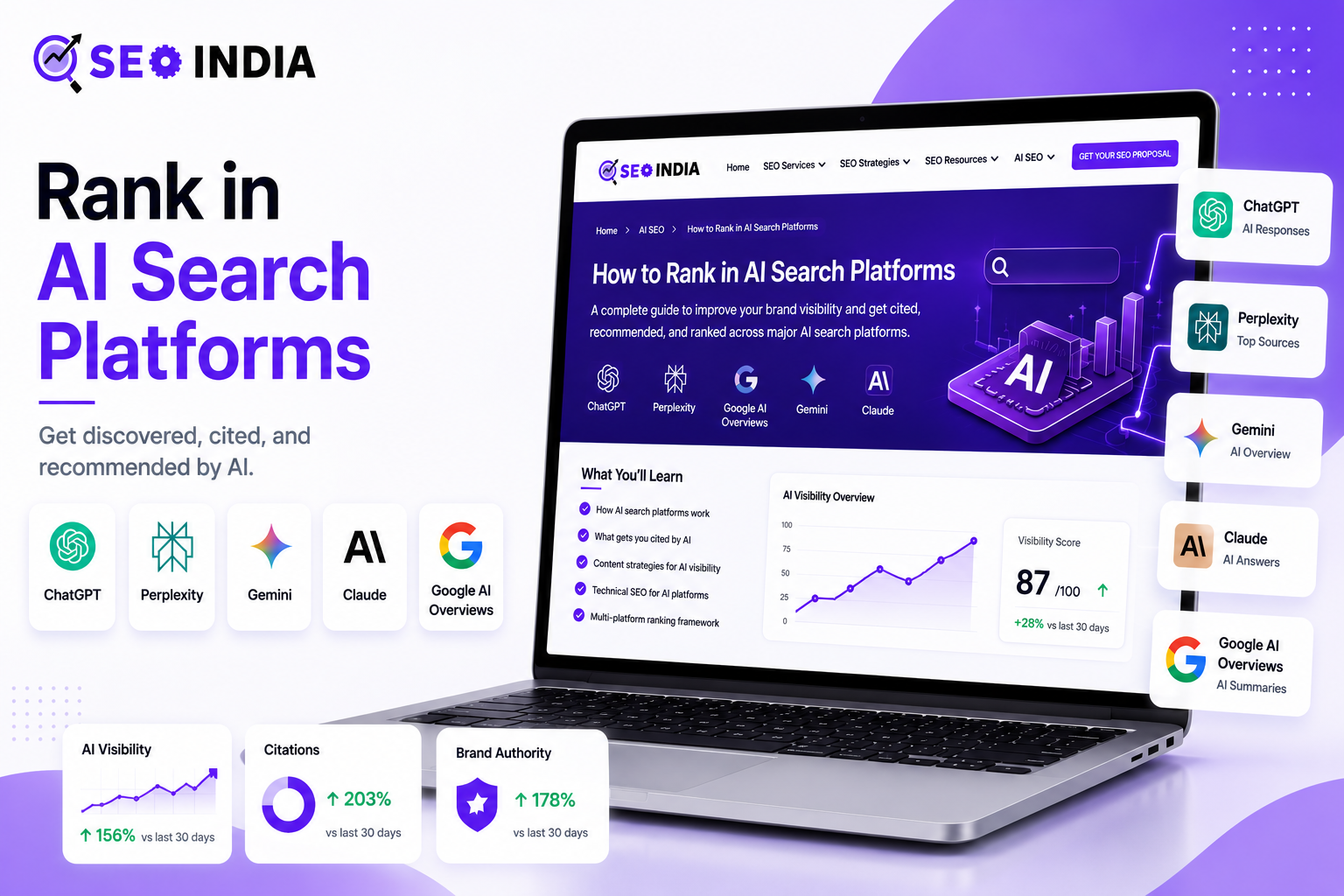
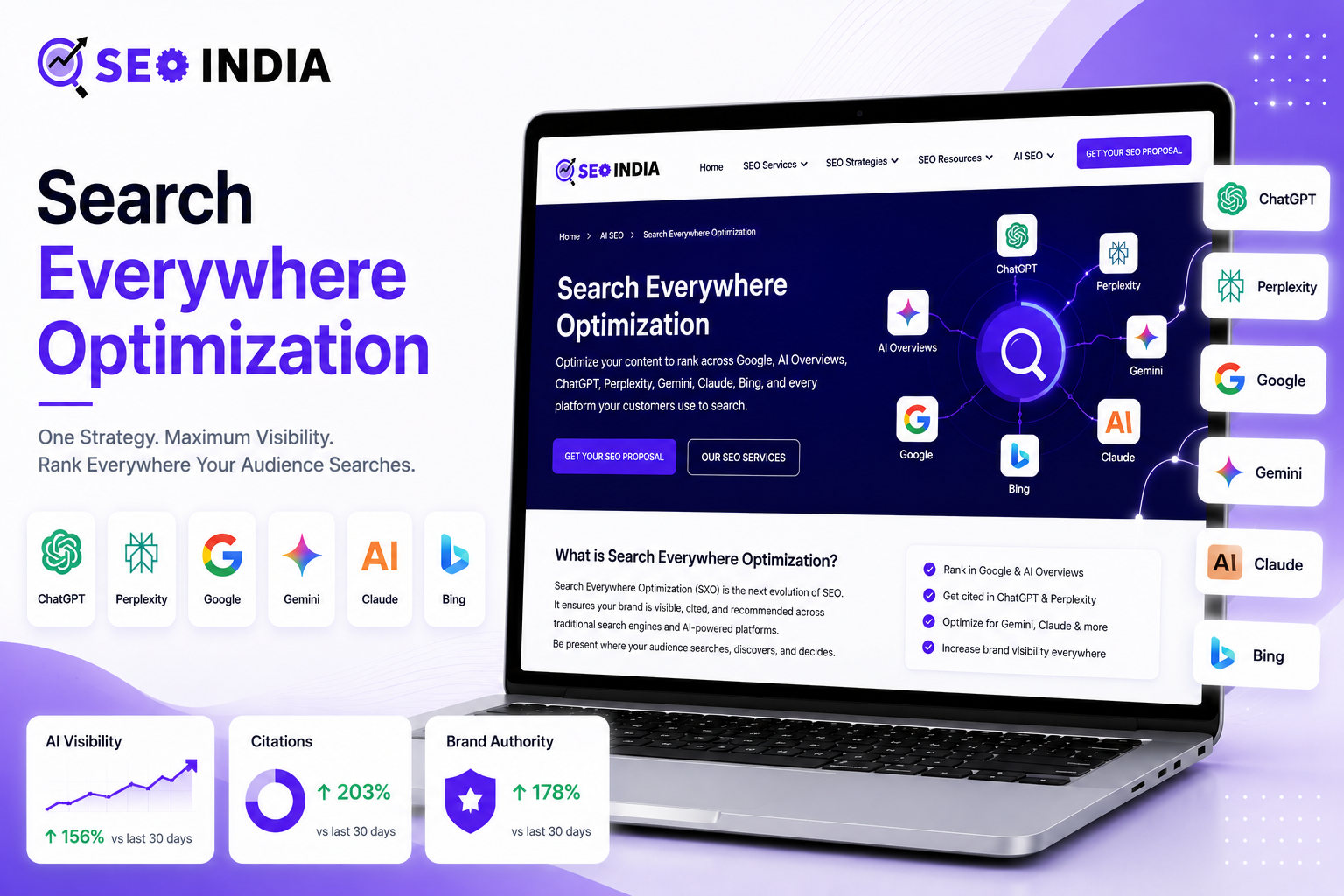
Why limit your strategy to Google? People search for products and services on multiple platforms. An AI SEO strategy incorporates all of those platforms.
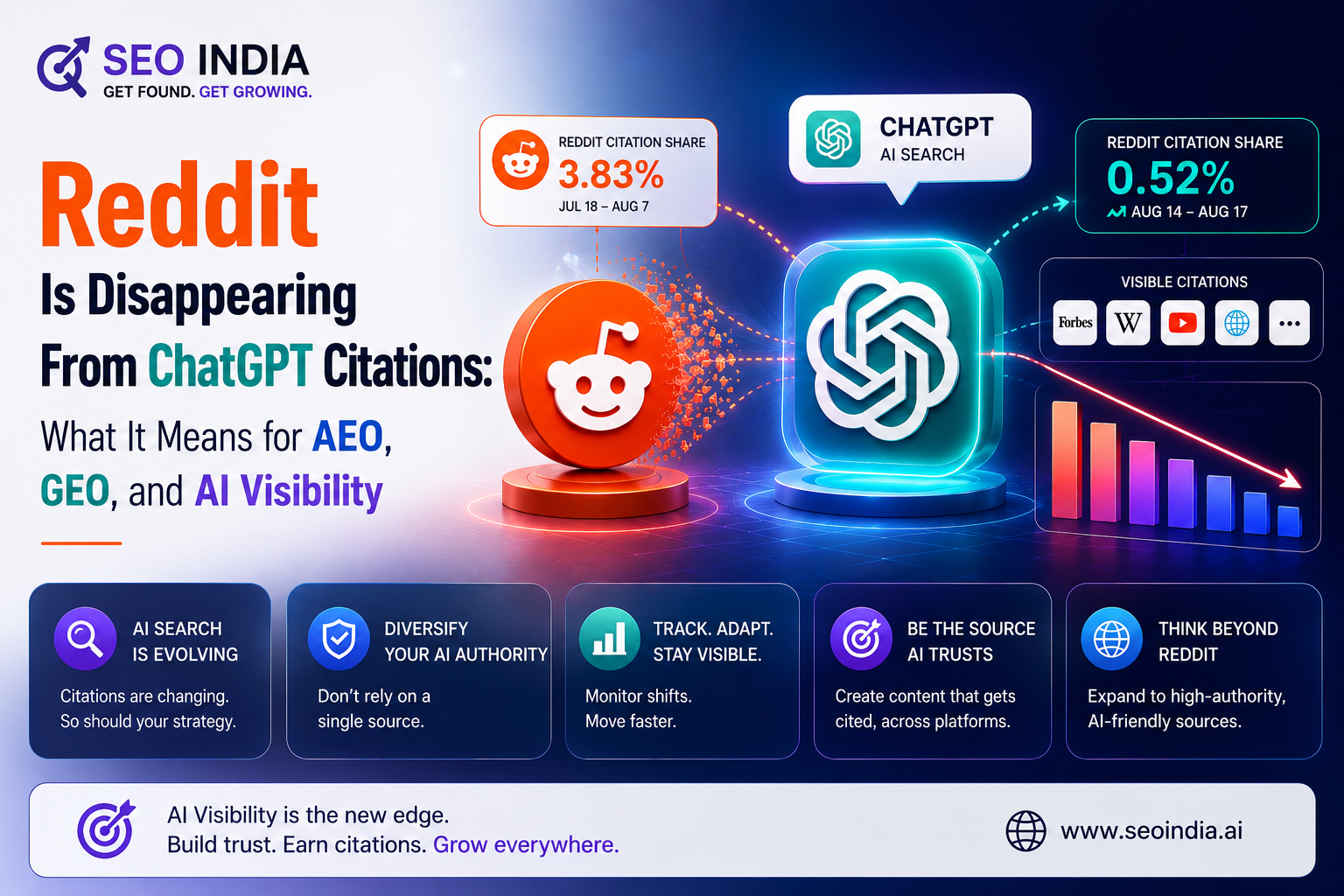
Your potential customers search for information on systems beyond Google and Bing. These search systems include TikTok, ChatGPT, Reddit, Siri, and YouTube. If your brand is not visible on the systems listed above, then consider adopting AI SEO.
It’s like diversifying your investments — as a single platform develops, as any investor can tell you, diversifying your investments protects you. As Google develops AI Overviews and your customers begin using AI and alternative search platforms, companies using a single platform begin to lose significant visibility.
Modern SEO is no longer strict “search engine” optimization. It’s beginning to search opt everywhere your consumers look. This expanded focus is what you can expect from an AI SEO strategy from SEO India.
FAQs about AI and SEO
No. There is no way the world will stop seeking products and services. The methodologies for arriving at results will change the same way they always have. The presence of AI will create a more competitive and sophisticated SEO environment rather than an irrelevant one.
We won’t be seeing an AI world. We will see Google adapt to an AI world. There will be many scenarios where AI and traditional search will coexist and support each other rather than one fully undermining the other.
Yes, but be careful. The main consideration when using AI content is quality. Poor quality, AI-generated content could damage your online presence and credibility. To mitigate this risk, you should always perform a review and seek specialist guidance.
Yes. The core functions of SEO such as keyword research, competitor analysis, content generation, and link building will be easier and faster with the integration of AI. The combined power of AI and human expertise gives a competitive advantage and the ability to grow and scale an organization.
Get ahead in AI search with SEO India
AI is changing how users search and discover businesses. SEO India builds a robust AI SEO strategy to keep businesses searching where customers are, be it Google, ChatGPT, or any other platforms.
Reach out to SEO India today for your business’s custom AI SEO strategy.