Key Takeaways
⌃- AI-powered tools have raised customer expectations well beyond a simple “Hi, [Name]” in the subject line.
- Zero-party data (information customers share directly) and first-party behavioral data are the strongest inputs for personalization.
- Smart segmentation, conditional automation, and predictive targeting are what separate average email campaigns from high-performing ones.
- Personalization directly improves conversion rate, retention, and ROI.
- Every email platform has its own limitations, but increasing personalization consistently moves results in the right direction.
There was a time when “Hi [First Name]” in an email felt personal. Today it just feels like a template — because customers have seen it so many times that they no longer even notice it.
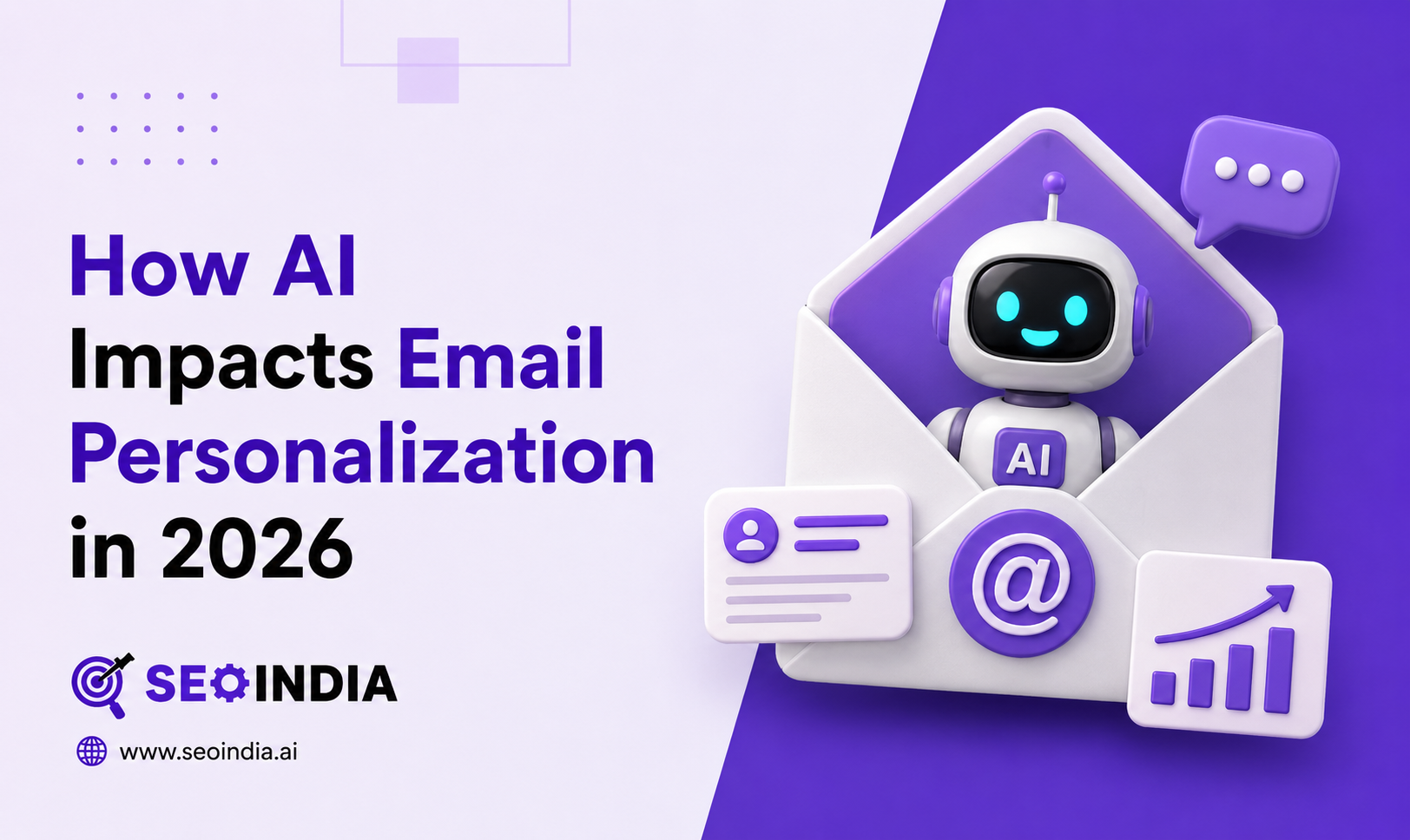
AI has changed the standard for email marketing. When AI-powered recommendation engines can understand what a customer wants before they’ve even searched for it, a generic batch email doesn’t just underperform — it signals that the brand isn’t paying close attention to its customers.
Here’s what real email personalization looks like in 2026, and how you can keep your strategy up to date.
Why the Personalization Bar Moved
Customers have always wanted to feel like more than just a number on a list. That’s not new. What’s new is the level of comparison.
When a customer’s phone already tells them their regular product is running low, or when a shopping assistant shows them the exact item they were about to search for, tolerance for generic email content drops significantly.
Personalization based on zero-party and first-party data has been shown to improve conversion, retention, and ROI — across industries. Brands seeing these results aren’t relying on some single silver-bullet trick; they’re using better data and more deliberate segmentation to get the right message to the right person.
Brands that aren’t doing this make it that much easier for customers to ignore or unsubscribe from them.
The Data Foundation: Zero-Party vs. First-Party
Before you can personalize effectively, you need the right data. Two types matter most.
Zero-party data (ZPD) is information a customer gives you directly and intentionally — like a preference quiz, an answer given during onboarding, or an opt-in preference center. The customer knows they’re sharing it, which makes this data highly reliable.
First-party data is behavioral — purchase history, browsing activity, email engagement. You collect it passively through your own owned channels. It shows what a customer actually does, which can differ quite a bit from what they say.
The most effective email programs combine both data types into a single unified customer profile, and use that profile to drive segmentation, automation logic, and send timing. Treating these two as separate efforts is one of the most common gaps in a brand’s strategy.
What Advanced Email Personalization Actually Looks Like
Segmenting only by location or category is a starting point, not a strategy. Here’s what advanced personalization actually looks like in practice.
Conditional Logic in Automations
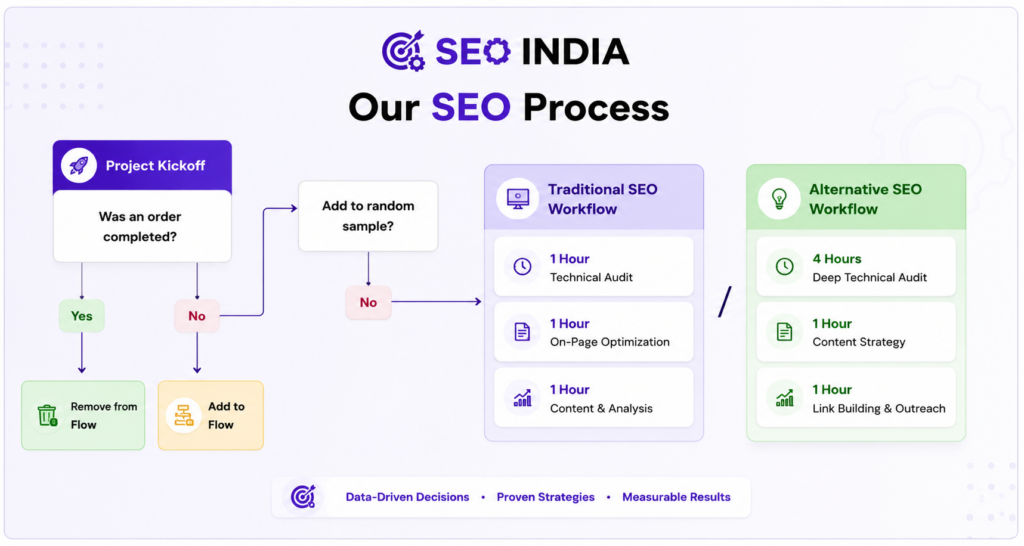
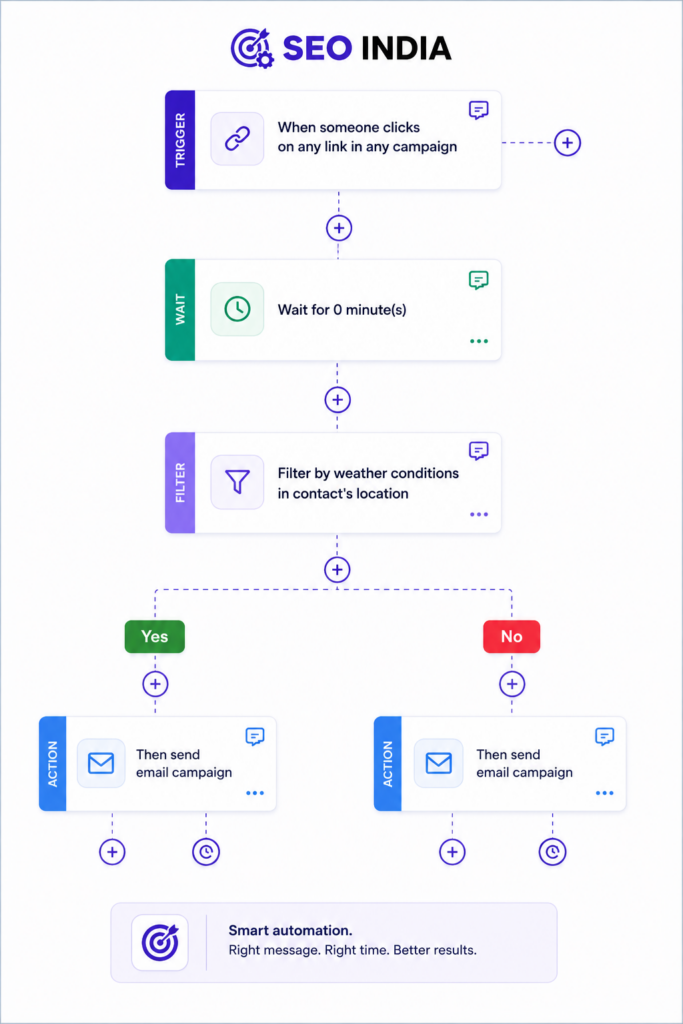
Take the abandoned cart workflow as an example. Most brands send the same recovery email to everyone. A better approach is to split conditionally based on cart value.
A customer with a ₹15,000 product sitting in their cart probably isn’t abandoning because of price — they need trust or reassurance. A customer with an ₹800 product might convert on a small offer. Sending both the same message ignores signals you already have.
AI Segmentation for Churn Prevention
Waiting until a customer unsubscribes is far too late. AI-based segmentation tools can identify high-risk customers — based on engagement decay, purchase pattern changes, and behavioral signals — before they disengage entirely.
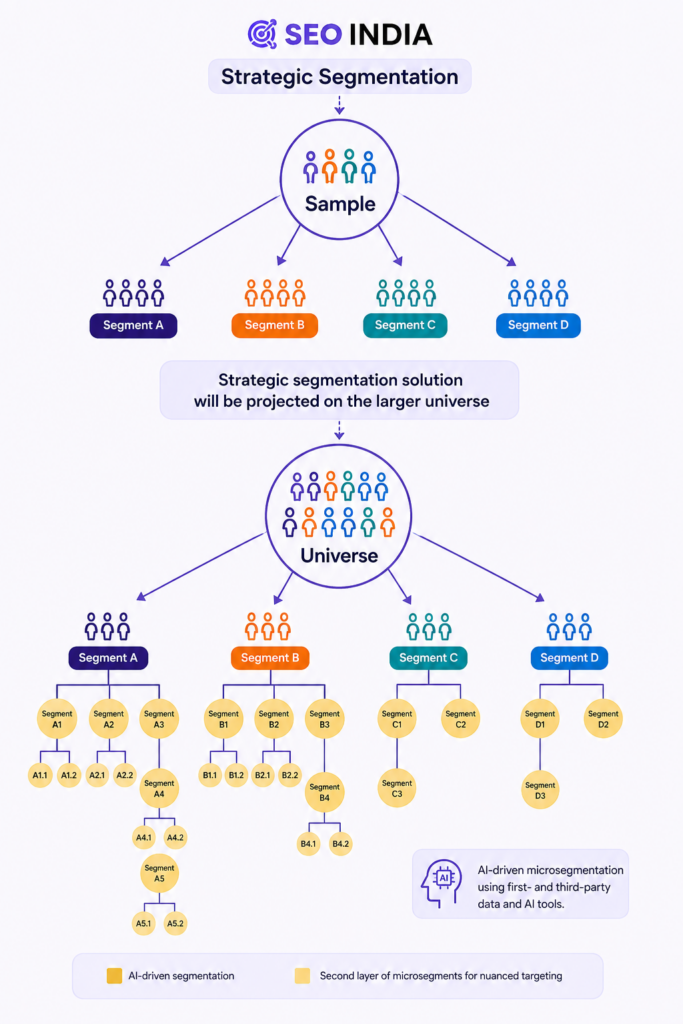
A relevant, timely message is far more effective than a reactive “we miss you” email sent three months later.
Behavioral Triggers Over Scheduled Sends
Scheduled newsletters still have their place, but the best-performing email programs are becoming increasingly event-driven. A customer who has viewed a product page three times without purchasing is a much better candidate for an immediate targeted email than for your next weekly send.
Personalizing Beyond the Subject Line
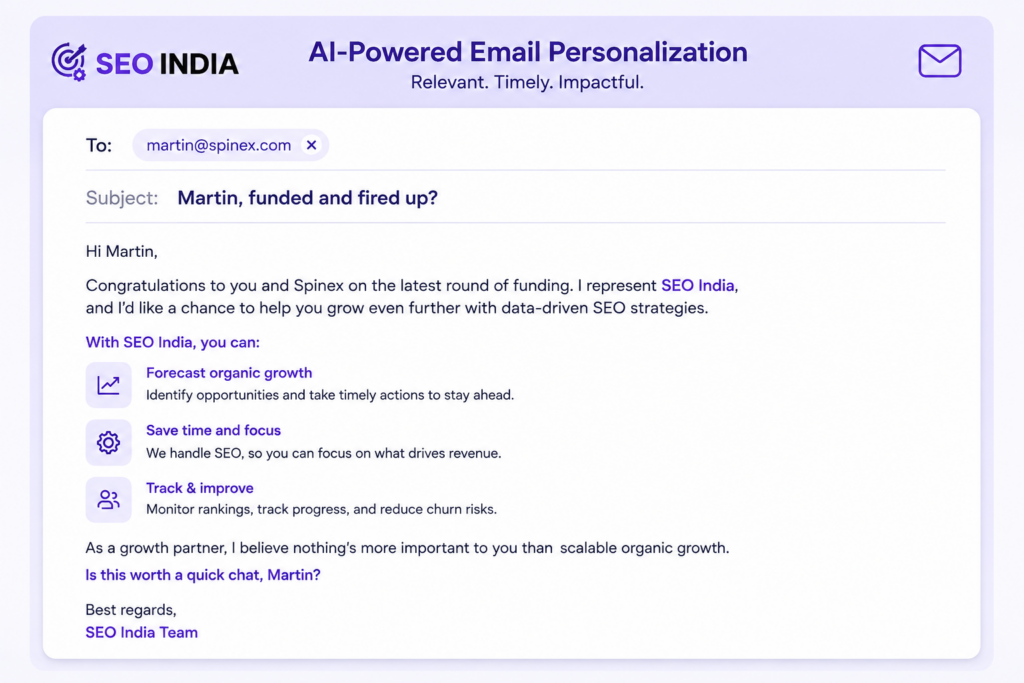
Subject line personalization is the most visible layer, but email body content, product recommendations, and CTAs can all be personalized too. Dynamic content blocks let you show different images, copy, or offers to different segments within a single email send.
Building a More Personalized Email Program: Where to Start
You don’t need to overhaul your entire program at once. Small, consistent improvements add up. Here’s a practical sequence to follow:
- Audit your current segmentation. If you’re sending the same email to your entire list with no behavioral or preference-based split, that’s the first thing to fix.
- Add a ZPD touchpoint to your welcome flow. A short preference survey or product quiz gives you immediately actionable first-party intent data.
- Build a conditional split into one existing automation. Start with your abandoned cart or welcome series — pick one variable like cart value, category, or acquisition source.
- Review your suppression logic. Are you sending promotional emails to people who just made a purchase? Small gaps like this quietly erode the experience.
- Track measurement separately. Track personalized segments and general sends independently — that’s the only way to actually know if personalization is working.
FAQs
What is email personalization?
Email personalization is the practice of tailoring email content, timing, and offers to each recipient based on their preferences, behavior, and history with your brand. It goes well beyond name tokens to include segmentation, dynamic content, behavioral triggers, and predictive recommendations.
What is zero-party data?
Zero-party data is information a customer shares with you directly and intentionally — like quiz responses or onboarding survey answers. It’s different from first-party data, which is collected through observed behavior like browsing and purchase history.
How does AI improve email personalization?
AI improves personalization in several ways: identifying high-risk churn customers before they disengage, recommending relevant products based on purchase history, and enabling more sophisticated segmentation than manual rules ever could.
Do I need a new ESP to improve personalization?
Not necessarily. Most email platforms support basic segmentation and conditional logic. The real gap is usually in data collection and workflow design — not platform capability.
Conclusion
Email personalization in 2026 means understanding what a customer needs before they tell you, and sending the right message at the right moment. That’s a new standard most email programs are still catching up to.
The good news is that all of this is within your control. Zero-party data collection, conditional automation logic, and behavioral segmentation don’t require a full platform overhaul — they just require being more deliberate about how you collect, organize, and act on the data you already have.
If you’d like hands-on support building your email personalization strategy, the SEO India team is ready to help.