Key Takeaways
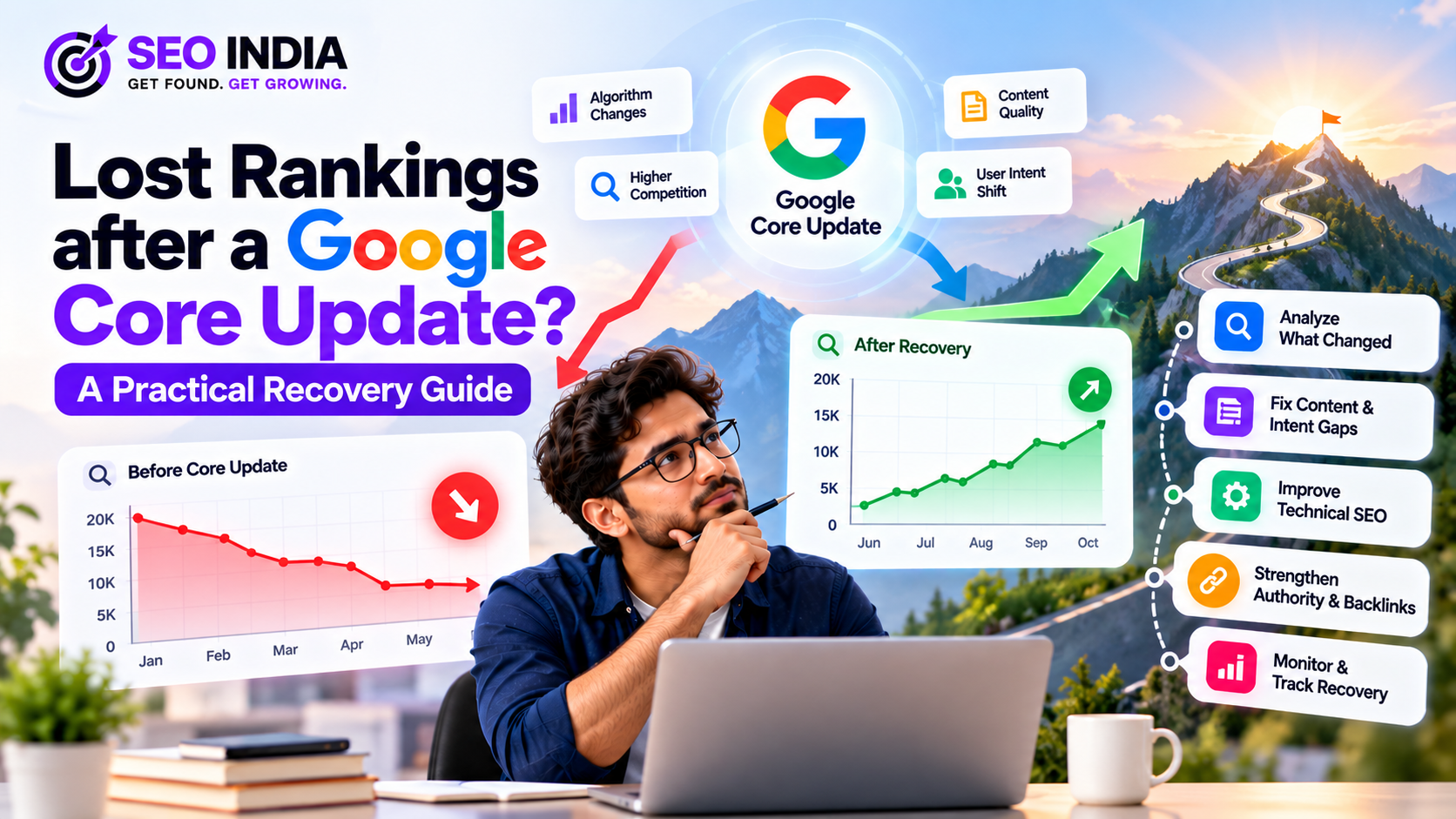
⌃- What a Core Update Really Is: It re-evaluates quality, it is not a penalty.
- Confirm the Drop Is Update-Related: Rule out technical issues first.
- Find Which Pages Lost Visibility: Patterns reveal the real cause.
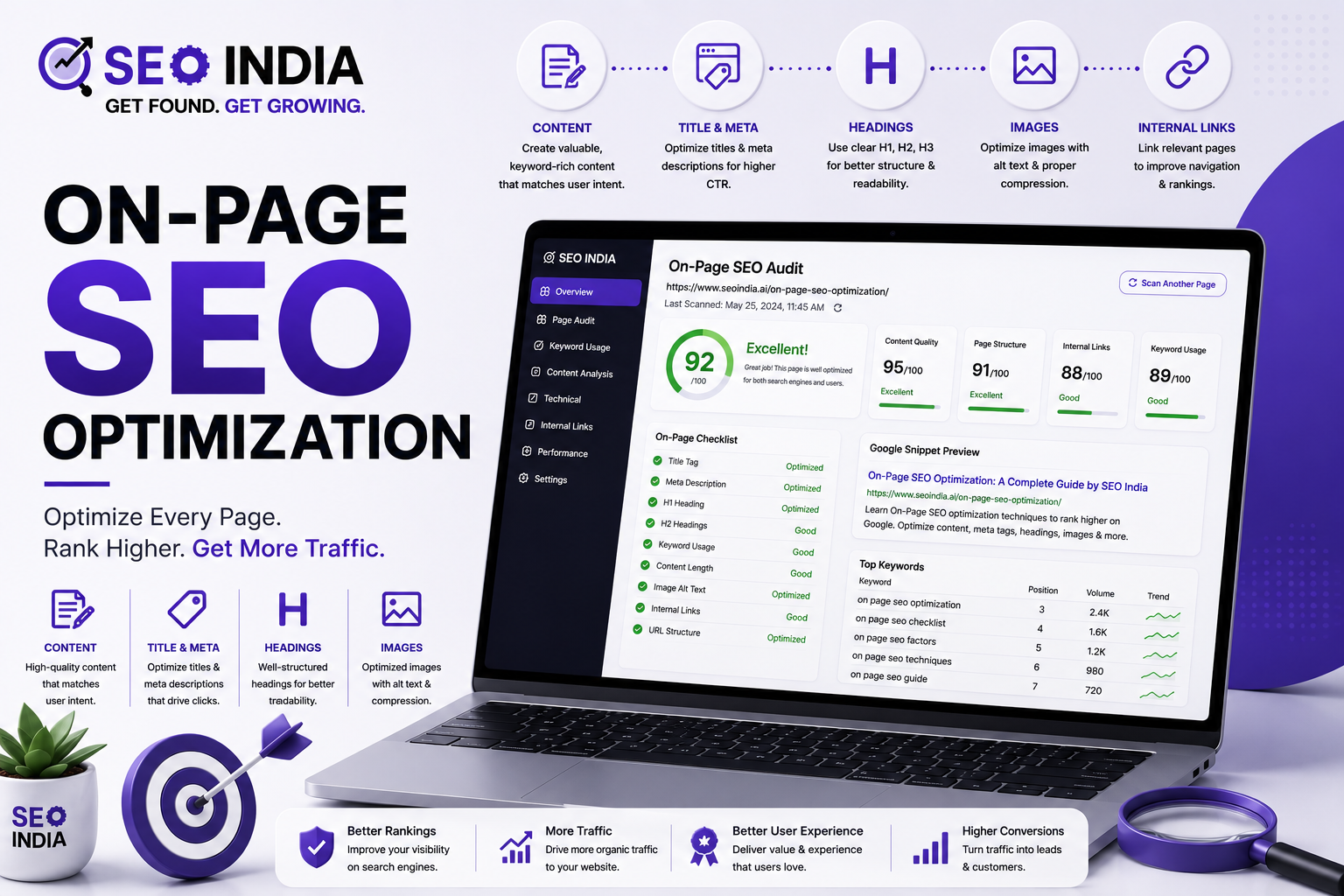
- Improve Content Quality and Usefulness: Helpful, experience-based content recovers best.
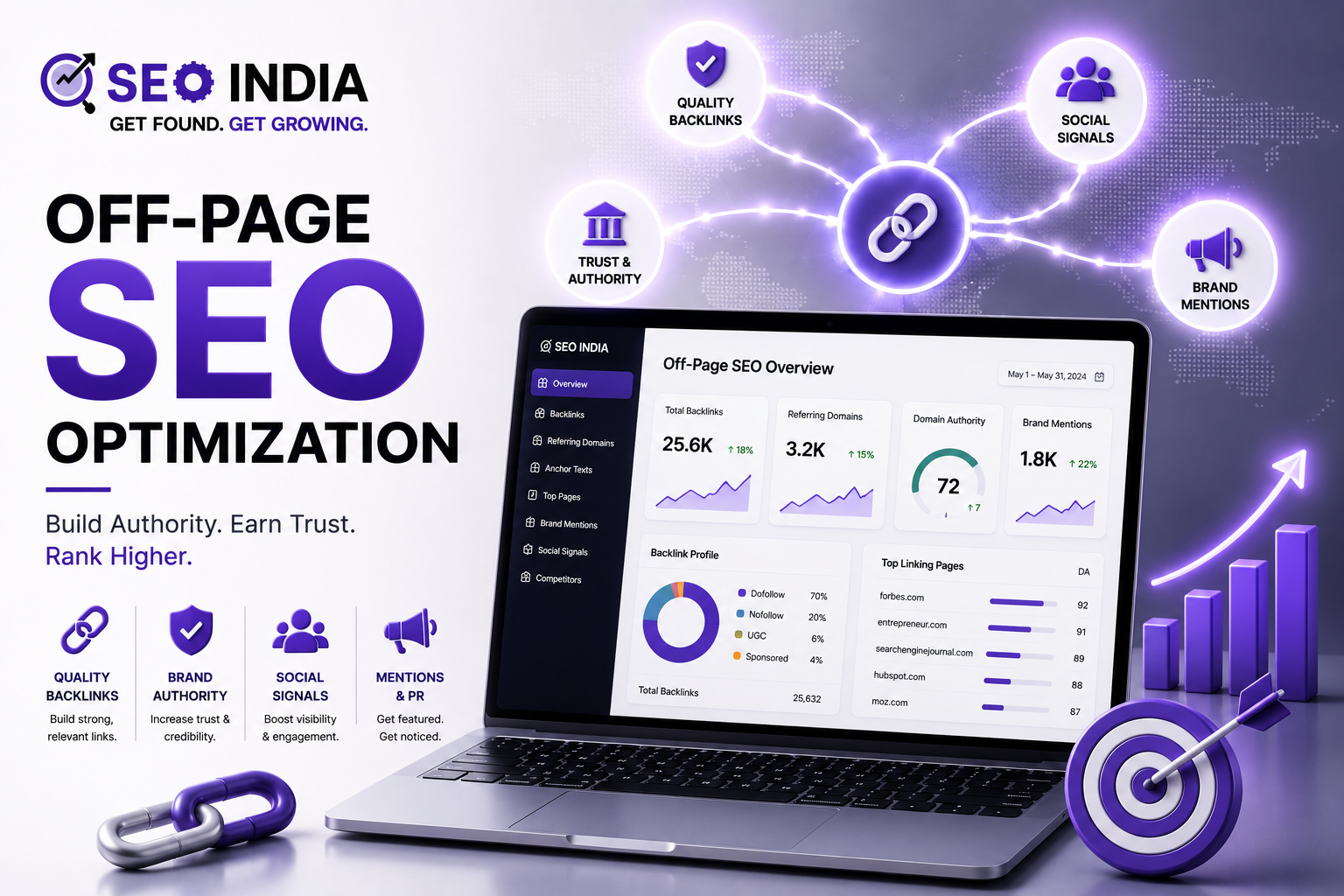
- Strengthen Trust Signals: Authors, reviews, and mentions build credibility.
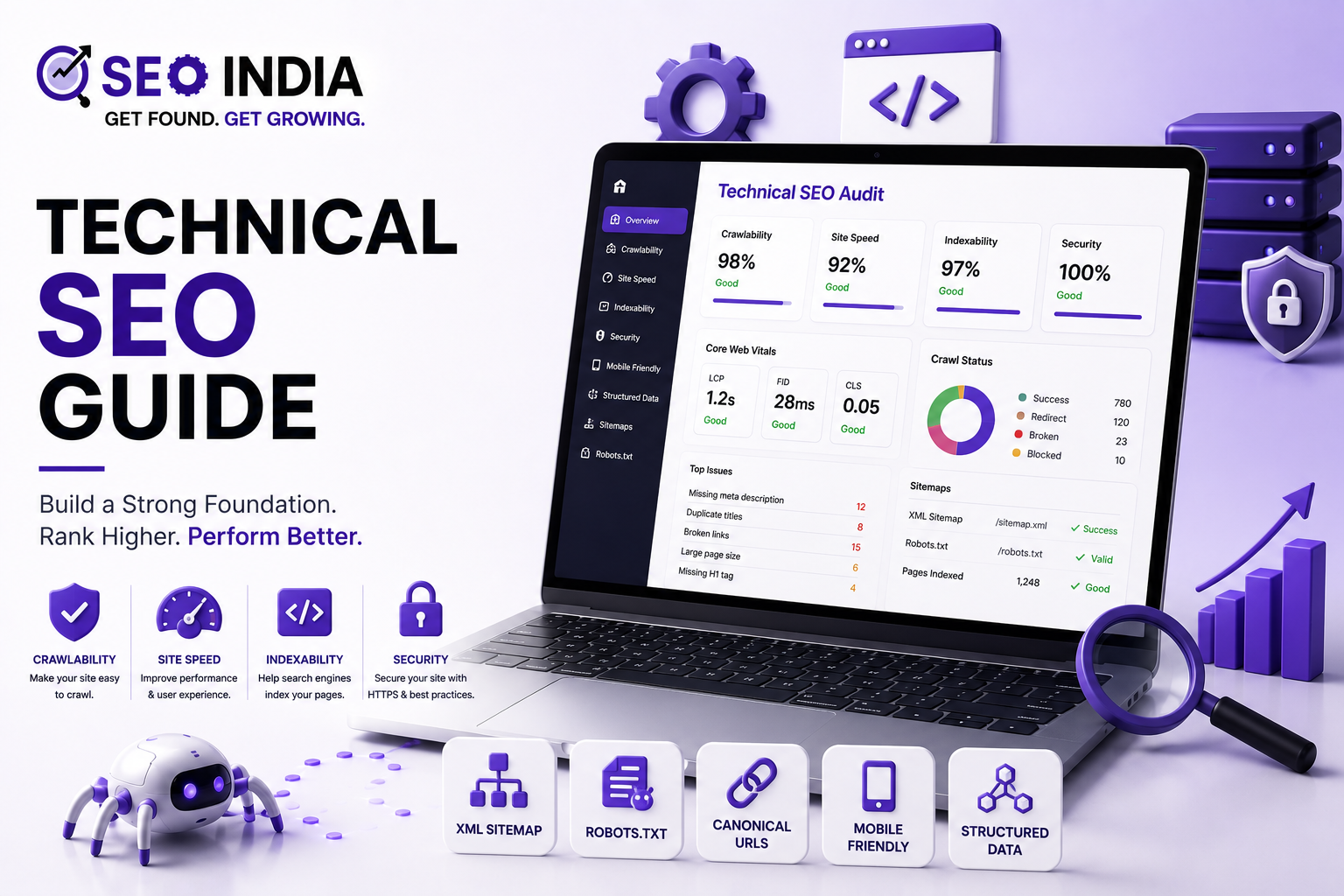
- Fix Technical Weaknesses: Clean websites are easier for Google to reward.
- The One Big Issue With Recovery: Results often wait for the next update.
It’s one of the most stressful moments for any business owner. Traffic was steady for months, leads were coming in, and then suddenly rankings dropped. A quick search reveals that Google rolled out a core update around the same time.
The first reaction is often panic: changing titles, deleting pages, or rewriting everything at once. In most cases, that does more harm than good. Recovering from a core update requires a calm, step-by-step approach based on understanding what Google is actually looking for.
1. What a Core Update Really Is
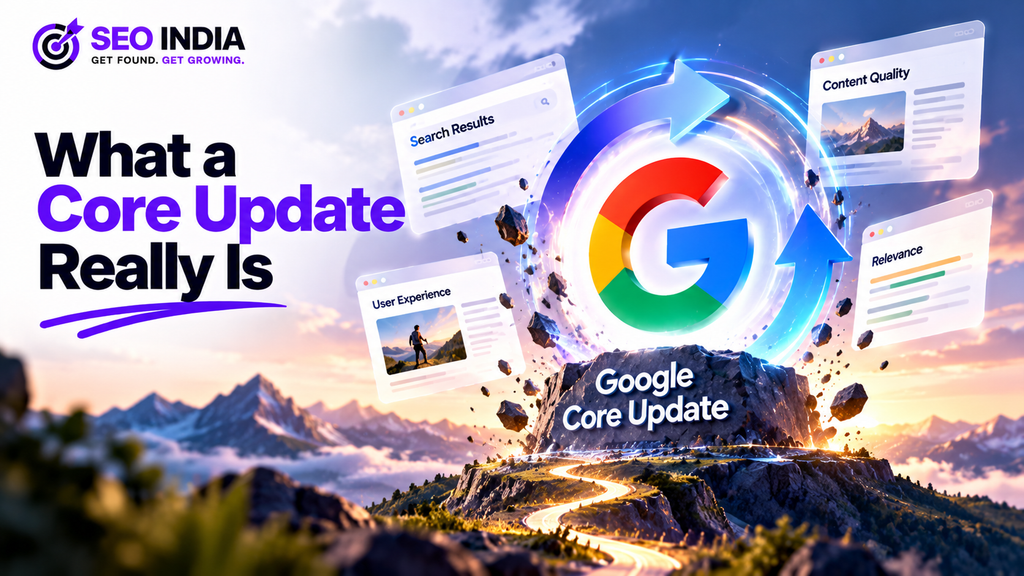
Google releases several broad core updates each year. These updates adjust how Google evaluates the overall quality and relevance of content across the web.
A Core Update Is Not a Penalty
A manual penalty happens when Google finds a specific violation of its guidelines. A core update is different. It simply re-ranks pages based on updated quality signals. If your pages dropped, it usually means other pages now look more helpful, more relevant, or more trustworthy for the same searches.
Why This Matters
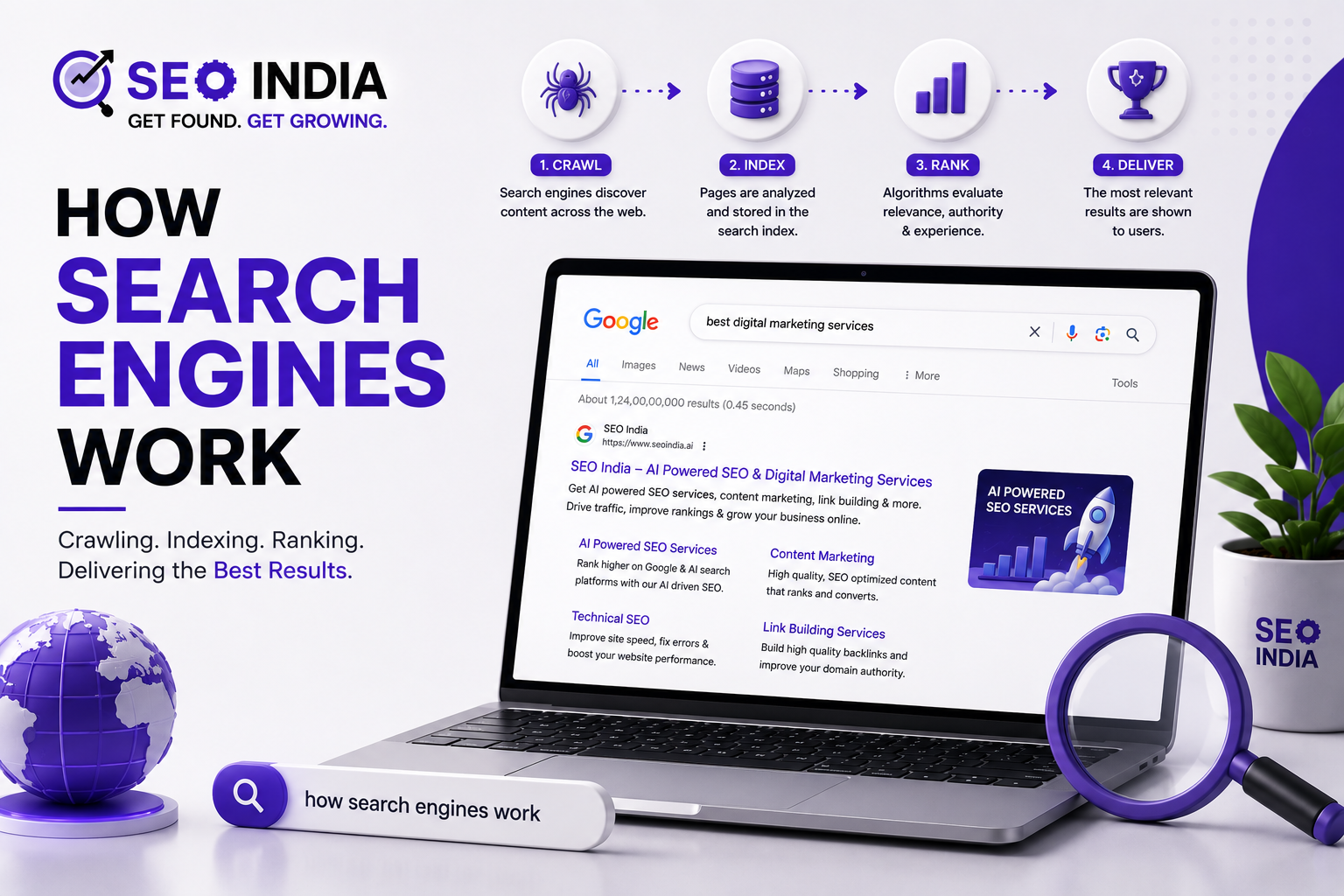
Because there is no single “error” to fix, recovery comes from improving the overall quality of your website, not from one quick technical change. Understanding how search engines work makes it easier to see why these shifts happen.
2. Confirm the Drop Is Update-Related
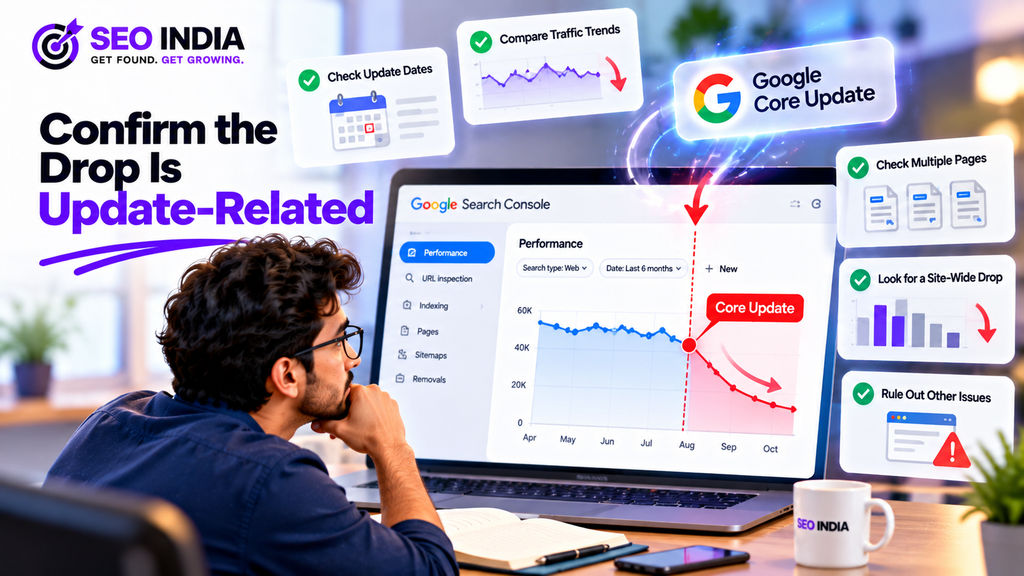
Before assuming a core update caused the problem, rule out other common reasons for ranking drops.
Check These First
- Was your website recently redesigned or migrated?
- Were important pages accidentally set to noindex or blocked in robots.txt?
- Did page URLs change without proper redirects?
- Is your website loading slowly or showing errors?
- Are there messages in Google Search Console about manual actions or security issues?
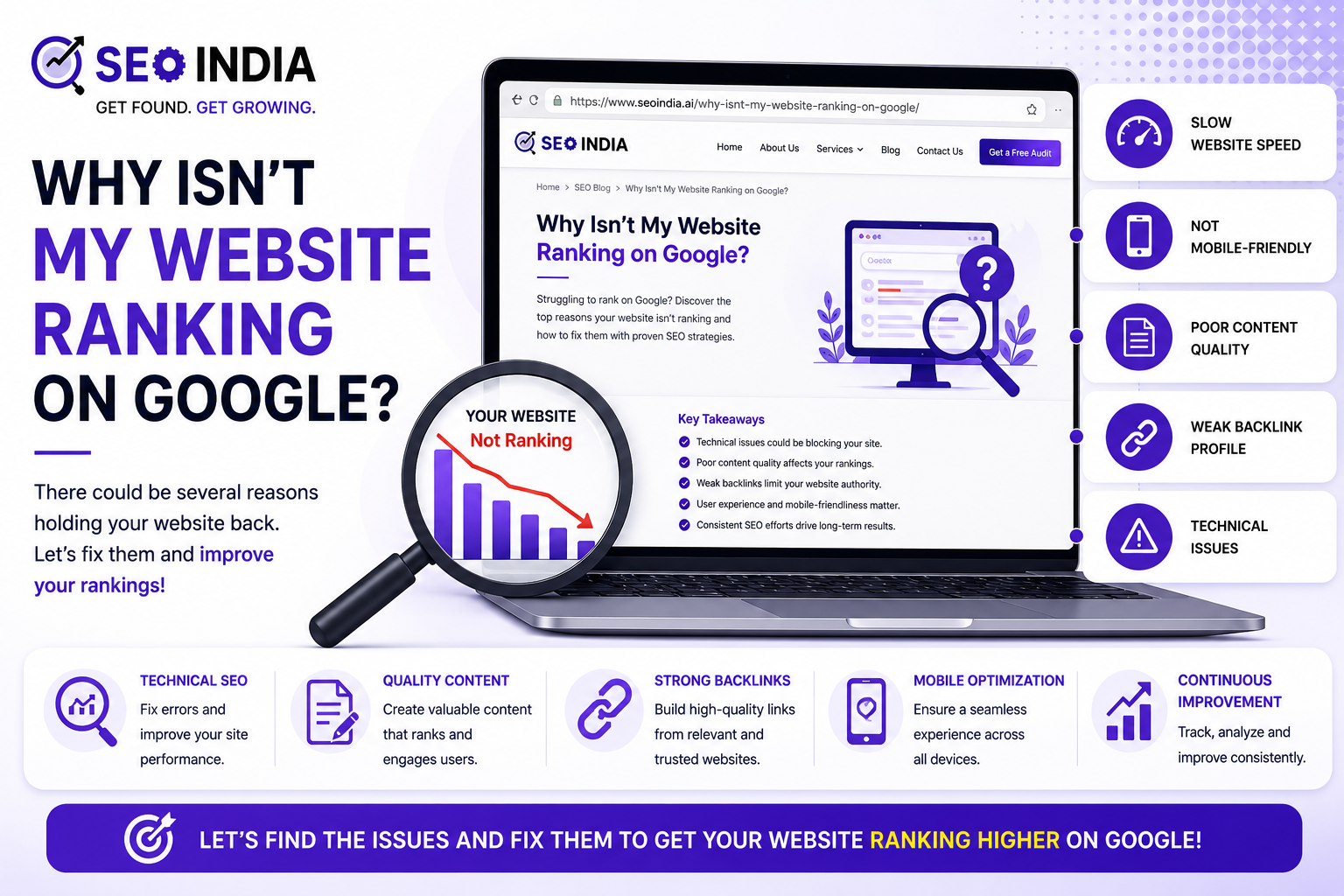
If the timing of your drop matches a confirmed core update and none of these issues apply, the update is the likely cause. Our article on why your website isn’t ranking on Google covers other possible reasons in detail.
3. Find Which Pages Lost Visibility
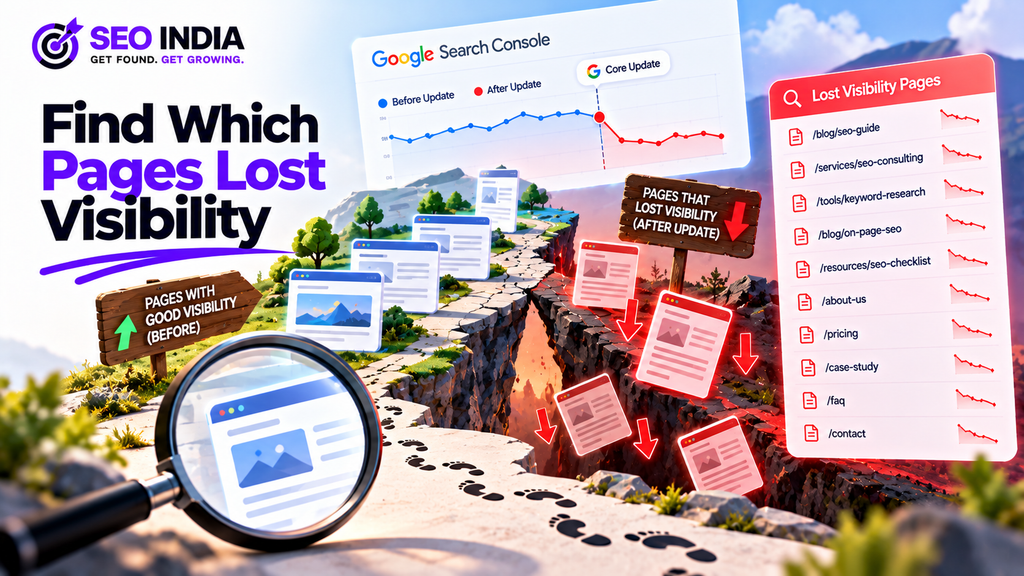
Not every page drops equally during an update. Identifying which pages lost the most traffic helps you understand what Google re-evaluated.
How to Analyze the Drop
- Compare Google Search Console data for a few weeks before and after the update.
- Sort pages by the biggest drop in clicks and impressions.
- Group affected pages by type, such as blog posts, service pages, or product pages.
- Look at which search queries lost visibility.
- Check which websites now rank above you for those queries.
What Patterns Can Tell You
If mainly thin blog posts dropped, content quality may be the issue. If service pages dropped while competitors with stronger reviews moved up, trust signals may be the gap. Patterns guide your priorities.
4. Improve Content Quality and Usefulness

Content quality is usually at the center of core update changes. Google aims to reward content written to genuinely help people rather than content created mainly to rank.
Ask Honest Questions About Each Page
- Does it fully answer what the searcher wants to know?
- Does it include real experience, examples, or original insights?
- Is it more useful than the pages currently ranking above it?
- Is it up to date and accurate?
- Would a reader trust this information enough to act on it?
Practical Improvements
- Update outdated information and statistics.
- Add real examples, case studies, photos, or expert input.
- Merge several weak, overlapping articles into one strong page.
- Remove or improve pages that offer little value.
- Make content easier to read with clear headings and short paragraphs.
Our SEO content writing guide explains how to create content that serves readers first.
5. Strengthen Trust Signals

For many searches, especially in health, finance, and legal topics, Google places a high value on trust and credibility.
Ways to Build Trust
- Add clear author information with relevant experience.
- Create a detailed About page that explains who you are.
- Display accurate contact details and business information.
- Earn genuine reviews on trusted platforms.
- Build mentions and links from respected websites in your industry.
These signals show that real, accountable people stand behind your content. A strong off-page SEO strategy helps build this credibility over time.
6. Fix Technical Weaknesses

Even great content can struggle if the website behind it has technical problems. While core updates focus mainly on quality, technical issues can make recovery harder.
Technical Areas to Review
- Page speed and Core Web Vitals
- Mobile usability
- Crawl errors and broken links
- Duplicate or near-duplicate pages
- Internal linking between related pages
- Clean site structure and navigation
A technically healthy website makes it easier for Google to understand and reward your improvements. Our technical SEO guide and complete SEO checklist walk through these essentials.
7. The One Big Issue With Recovery
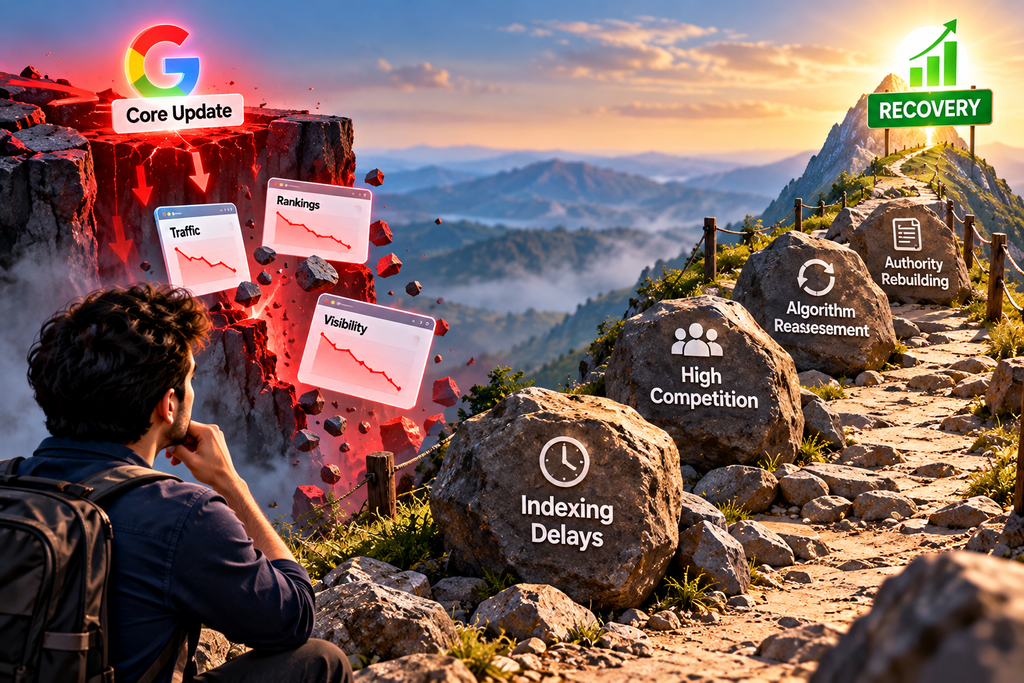
It’s important to be honest about one frustrating reality: recovery is rarely instant.
Why Recovery Takes Time
Even after you improve your content and website, Google may need time to recrawl and reassess your pages. In many cases, significant recovery only becomes visible after the next core update, which can be months away.
What This Means for Your Strategy
Some websites recover partially, some recover fully, and some never return to their old positions because competitors have genuinely improved too. Quick fixes and constant changes rarely help. Steady, meaningful improvements give you the best chance of long-term success, both for recovery and for protecting your rankings in future updates.
Frequently Asked Questions
How do I know if a Google core update affected my website?
Compare the date of your ranking drop with Google’s confirmed update dates, then rule out technical issues, migrations, and manual actions.
Can I recover rankings after a core update?
Yes, many websites recover by improving content quality, trust, and user experience. However, recovery often takes months.
Should I delete pages that lost traffic?
Not automatically. First decide whether a page can be improved or merged with similar content. Remove pages only when they offer little value and cannot be improved.
Do backlinks help with core update recovery?
Quality links from relevant, trusted websites can help build authority, but they work best alongside strong content. Links alone rarely fix a quality issue.
How can I protect my website from future core updates?
Focus on helpful content, real expertise, a good user experience, and a technically sound website. Websites built on these foundations tend to stay more stable.
Conclusion
A drop after a Google core update can feel alarming, but it is usually a signal to improve, not a reason to panic. By confirming the cause, analyzing affected pages, improving content, strengthening trust, and fixing technical gaps, you build a website that Google wants to reward. Recovery takes patience, but the improvements you make today also protect your rankings for every update that follows.
Schedule Your SEO Recovery Consultation With SEO India
Lost rankings after a recent update? SEO India can analyze your traffic drop, identify the real causes, and build a recovery plan tailored to your website. Explore our managed SEO solutions, get your free SEO proposal, or contact our team today.
About The Author
SEO India
SEO India is a search marketing and digital growth agency specializing in AI-powered SEO, LLM SEO, local SEO, and PPC advertising. The team helps businesses of all sizes improve their rankings, attract qualified traffic, and build a strong presence across Google and AI search platforms like ChatGPT, Gemini, Claude, and Perplexity.