Key Takeaways
⌃- Why AI search attribution is hard: The first meaningful interaction often leaves no trace in analytics.
- What happens after an AI recommendation: Customers research across several channels before converting.
- Why last-click attribution misses AI: It credits the final recorded step, not the first.
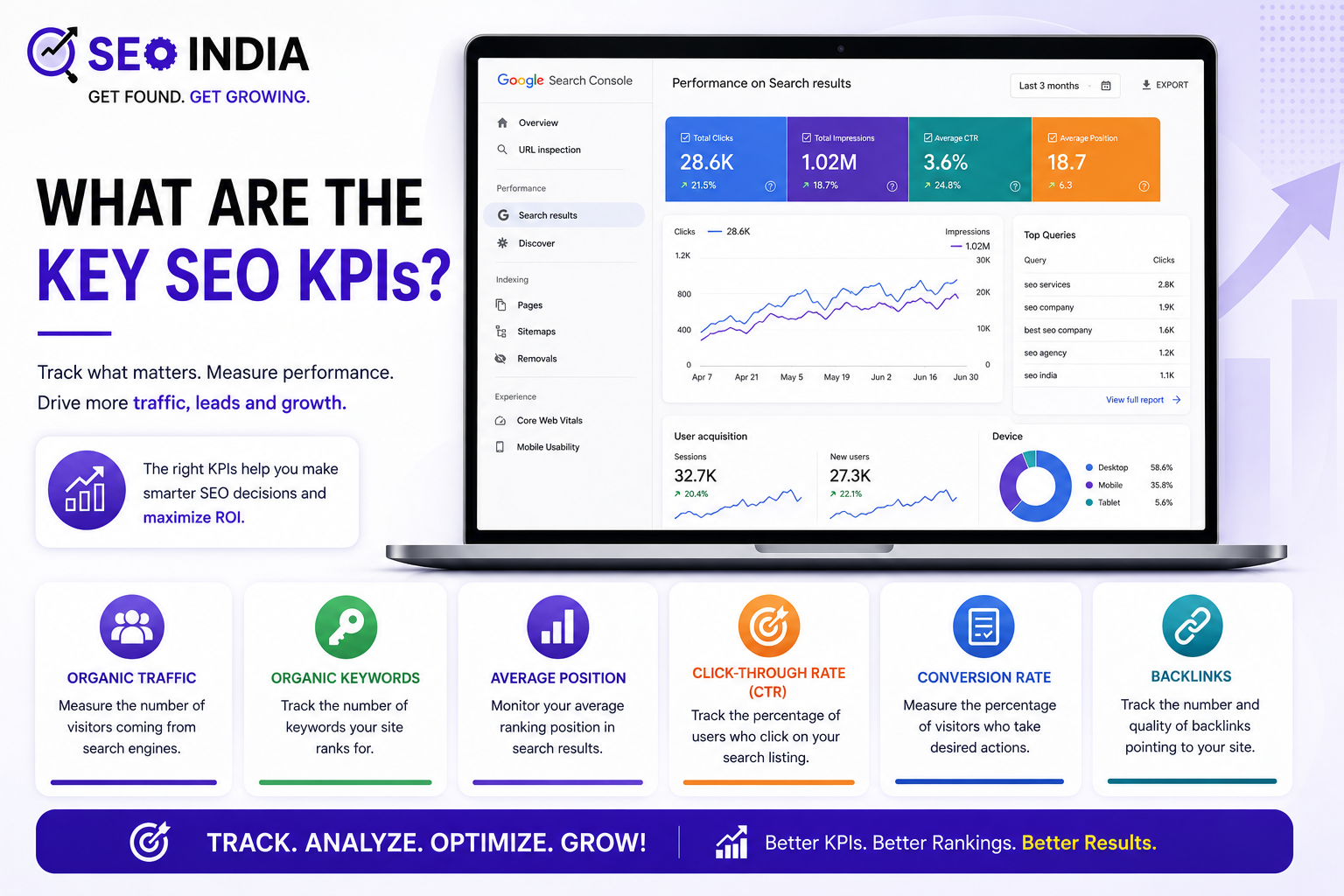
- Which metrics to track: Separate visibility, behavior and business results.
- Measuring AI influence with existing tools: Start with a baseline and clean tracking.
- Customer surveys: Simply ask people how they found you.
- Connecting AI visibility to leads and revenue: Follow the journey into the sales pipeline.
- How SEO India can help: Build a baseline, find gaps and track progress.
- FAQs: Quick answers to common doubts.
- Conclusion: Use several imperfect sources together.
Picture a business owner asking an AI assistant to suggest an SEO agency. Your brand appears in the answer, but they don’t click. Four days later they search your company name on Google, read your services page and fill in a contact form.
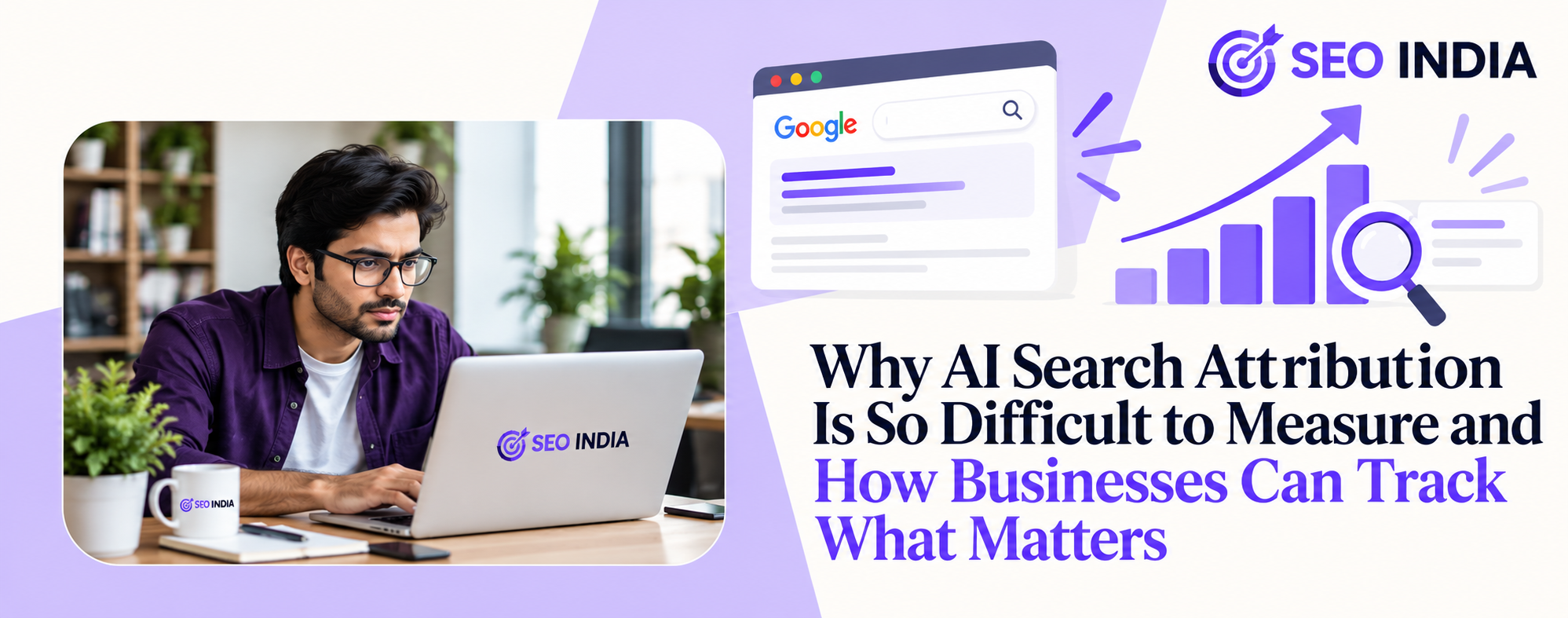
Introduction: Why Is AI Search Attribution So Difficult to Measure?
When your team opens the analytics report, that enquiry looks like it came from organic search. Nothing shows that an AI recommendation introduced you in the first place.
That is the heart of AI search attribution. AI platforms can shape how customers discover and judge businesses without leaving a measurable website visit at the moment it happens. Traditional analytics records visits, forms and purchases, but it cannot always rebuild the earlier steps that led there.
This matters for anyone investing in AI visibility. Knowing how often your brand shows up in AI answers is useful, but it doesn’t prove those appearances create qualified leads or revenue. Businesses need a wider approach that combines AI visibility data, website analytics, customer feedback and sales results, while being honest about what each source can and cannot show.
What Happens After an AI Platform Recommends a Business?
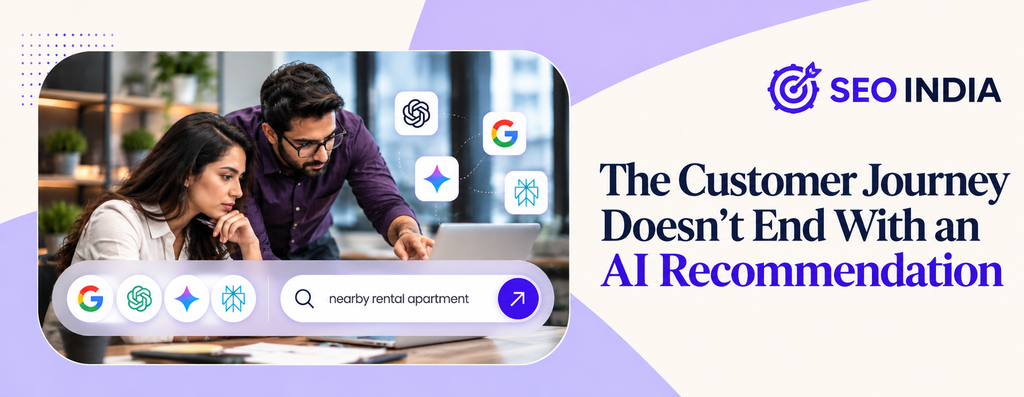
An AI recommendation is rarely the end of the journey. It is often the beginning of a longer one.
A Typical Path
A customer may remember your name, compare you with other providers, read reviews, ask a colleague or search for you later. Depending on the purchase, that can take hours or several weeks. The final website session is only one piece of the story.
What Makes AI Different
Customers have always moved between recommendations, ads, search engines and websites. What’s new is that much of the research can now happen inside a conversation that sends no referral. Someone can read a summarized answer, form an opinion about your brand and carry on elsewhere without ever opening your site. For more on how AI products form these answers, see our guide on how ChatGPT, Claude, Gemini and Perplexity decide what to recommend.
Don’t assume the first measurable visit is the first meaningful touchpoint. AI visibility may shape awareness earlier than your reports can show.
Why Does Last-Click Attribution Miss AI’s Influence?
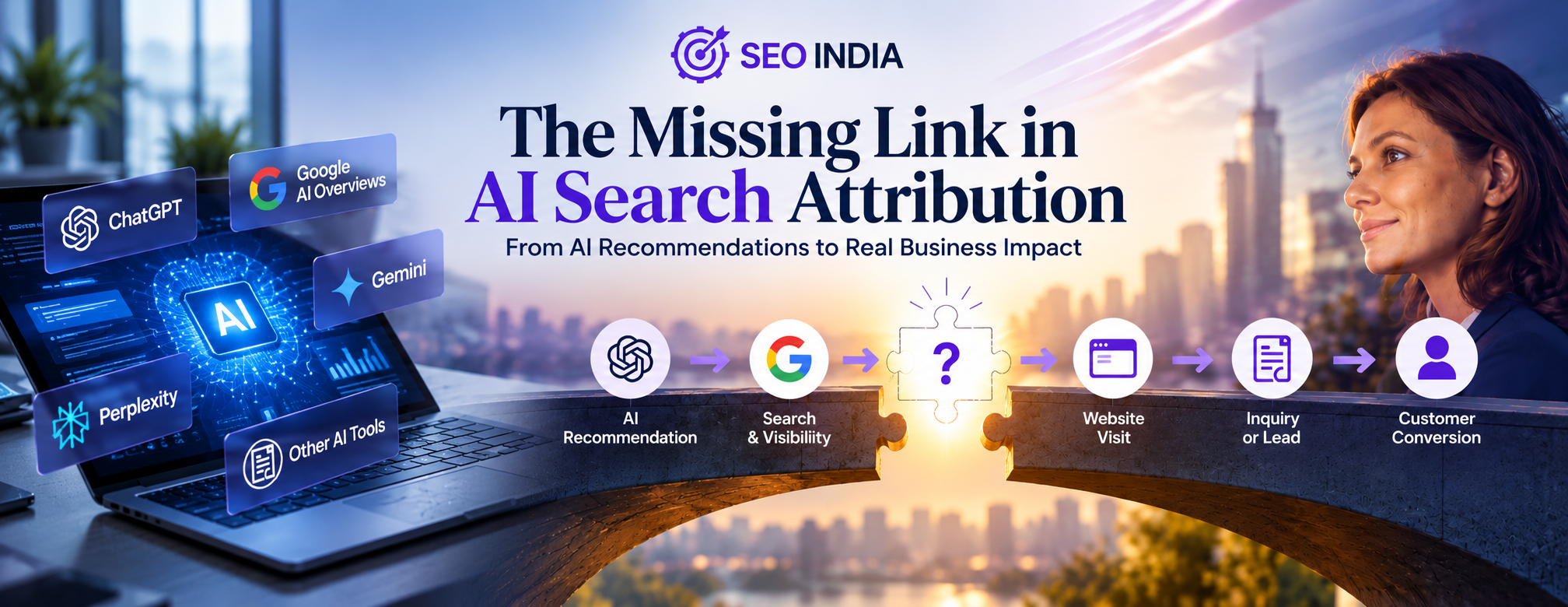
Last-click attribution gives credit to the final recorded interaction before a conversion. It’s useful for seeing what happened right before someone converted, but it paints an incomplete picture when discovery and conversion happen in different places.
How the Credit Gets Lost
- The customer finds you in an AI answer, then searches your name on Google: credited to organic search.
- They type your web address straight into the browser: credited to direct traffic.
- They come back through an email campaign: credited to email.
Each report may be accurate about the final step while missing the earlier AI exposure.
The Risk to Your Budget
Teams use attribution to decide where to spend time and money. If AI visibility helps people discover you but gets no credit, you may undervalue the content, reputation and presence that made it possible.
A Word of Caution
Don’t automatically credit AI for every rise in branded search or direct traffic. Advertising, press coverage, referrals and offline conversations can cause the same changes. Correlation alone doesn’t prove cause. The sensible approach is to keep last-click reporting and add other evidence around it.
Which Metrics Should Businesses Track?
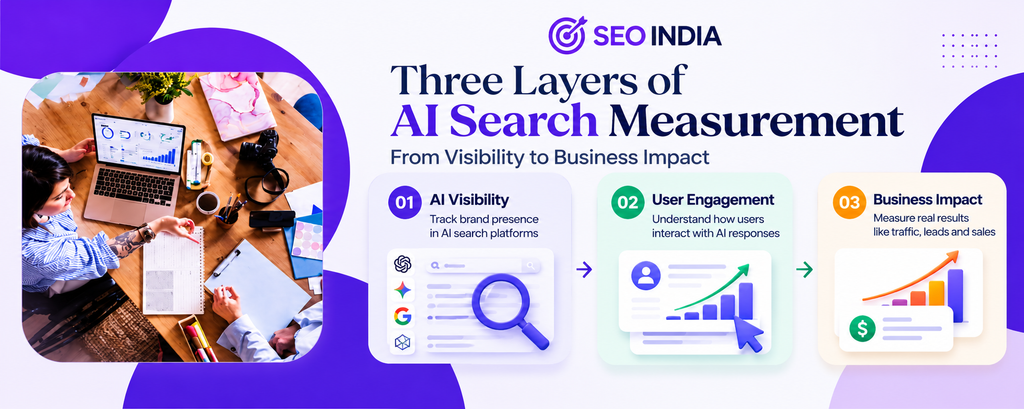
Separate your measures into three groups, because each answers a different question.
Visibility Metrics: Do We Appear When Customers Ask?
- Brand mentions
- Citations
- Share of voice across a set of prompts
- Competitor presence
Behavior Metrics: Are People Acting After Discovery?
- AI referral sessions
- Branded search
- Direct traffic
- Landing page engagement
Business Result Metrics: Does It Create Value?
- Qualified leads
- Booked consultations
- Sales conversion rate
- Cost per customer
- Revenue
Choose Prompts That Match Real Buyers
Visibility numbers only help if the questions reflect real customers: the service they need, their industry, their problem and how they compare providers. Plenty of mentions on irrelevant questions can look impressive and mean nothing.
Read Metrics Together
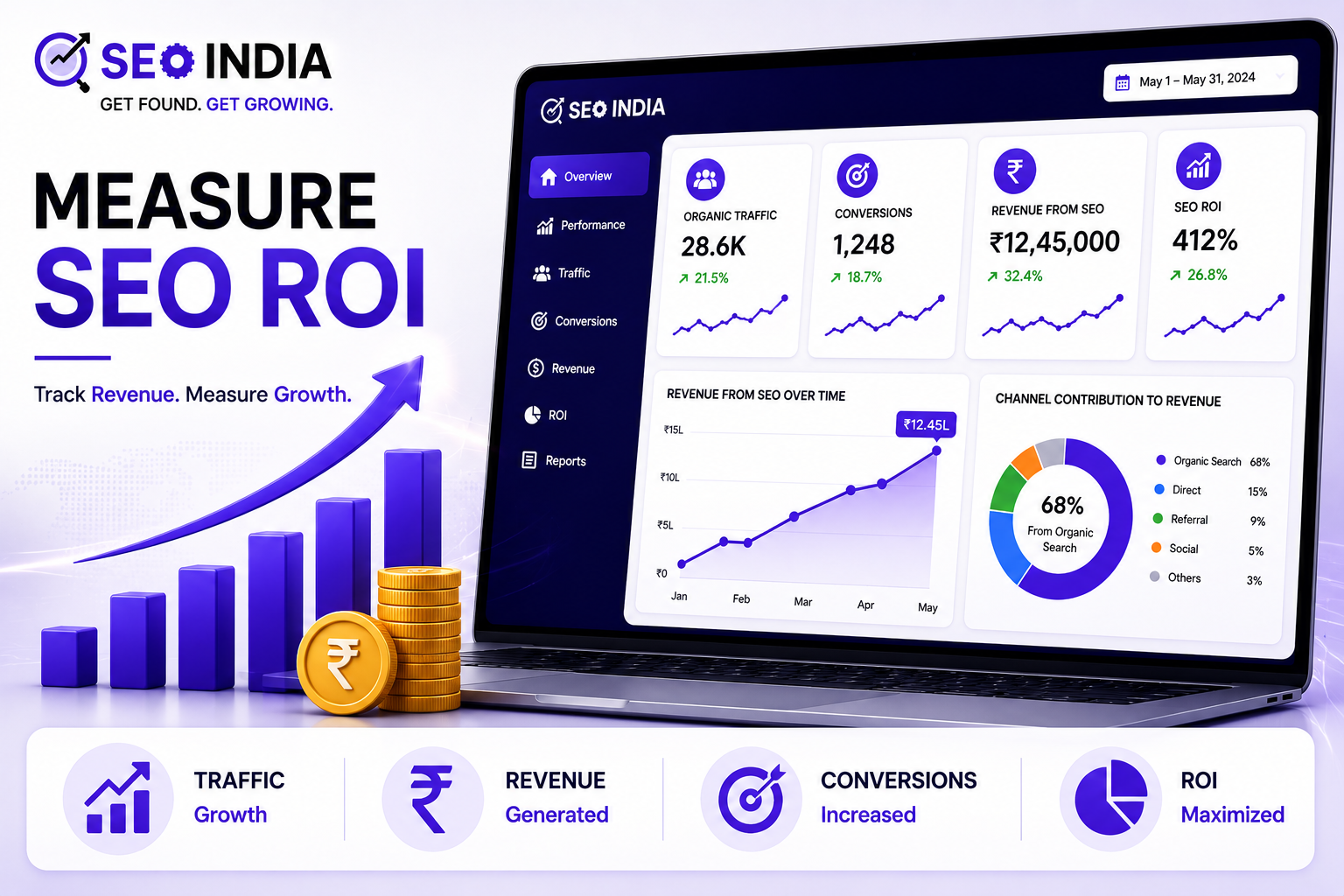
Branded search can rise because of an ad campaign. Direct traffic can hide several unknown sources. Neither proves AI influence alone. A good report shows whether visibility changed, whether behavior changed and whether qualified demand moved too. Where evidence is thin, say so. Our guides on SEO KPIs and measuring SEO ROI can help you set up the second and third groups.
How Can You Measure AI Influence With Existing Analytics Tools?
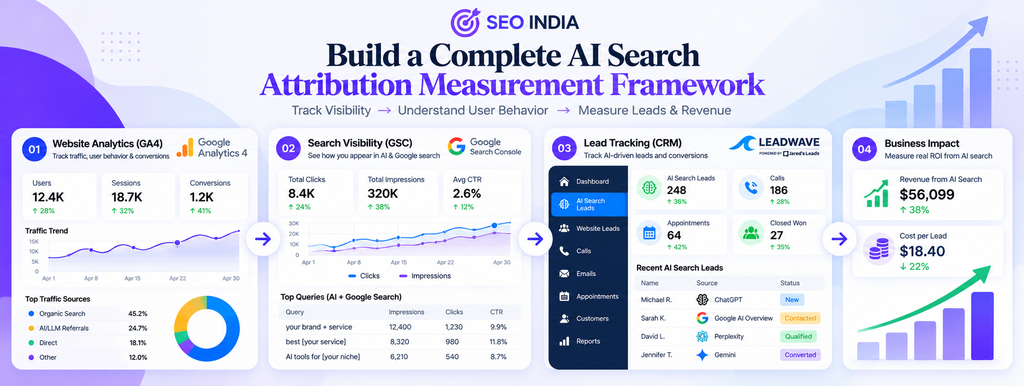
You usually don’t need a brand-new platform. Start by getting your current tools right.
Step 1: Set a Baseline
Record today’s AI referral traffic, branded search, direct traffic, key landing page engagement and conversions. Separately, test a fixed set of buyer questions on the AI platforms that matter to you, noting the platform, date, brand mentions, competitor mentions and any sources shown. Without a baseline, normal ups and downs can look like progress.
Step 2: Check Your Tracking
- Make sure forms, consultation bookings and other key actions are recorded correctly.
- Track phone calls where suitable tools exist.
- Use campaign tags for campaigns you control, but don’t expect them to capture AI conversations that happen outside your systems.
Referral details can also disappear when people switch devices or return later by another route.
Step 3: Connect Website Data to Your CRM
Store the original source (where known), campaign information, how the customer says they found you and what happened next: qualified, opportunity, sale. That lets you judge lead quality, not just lead volume.
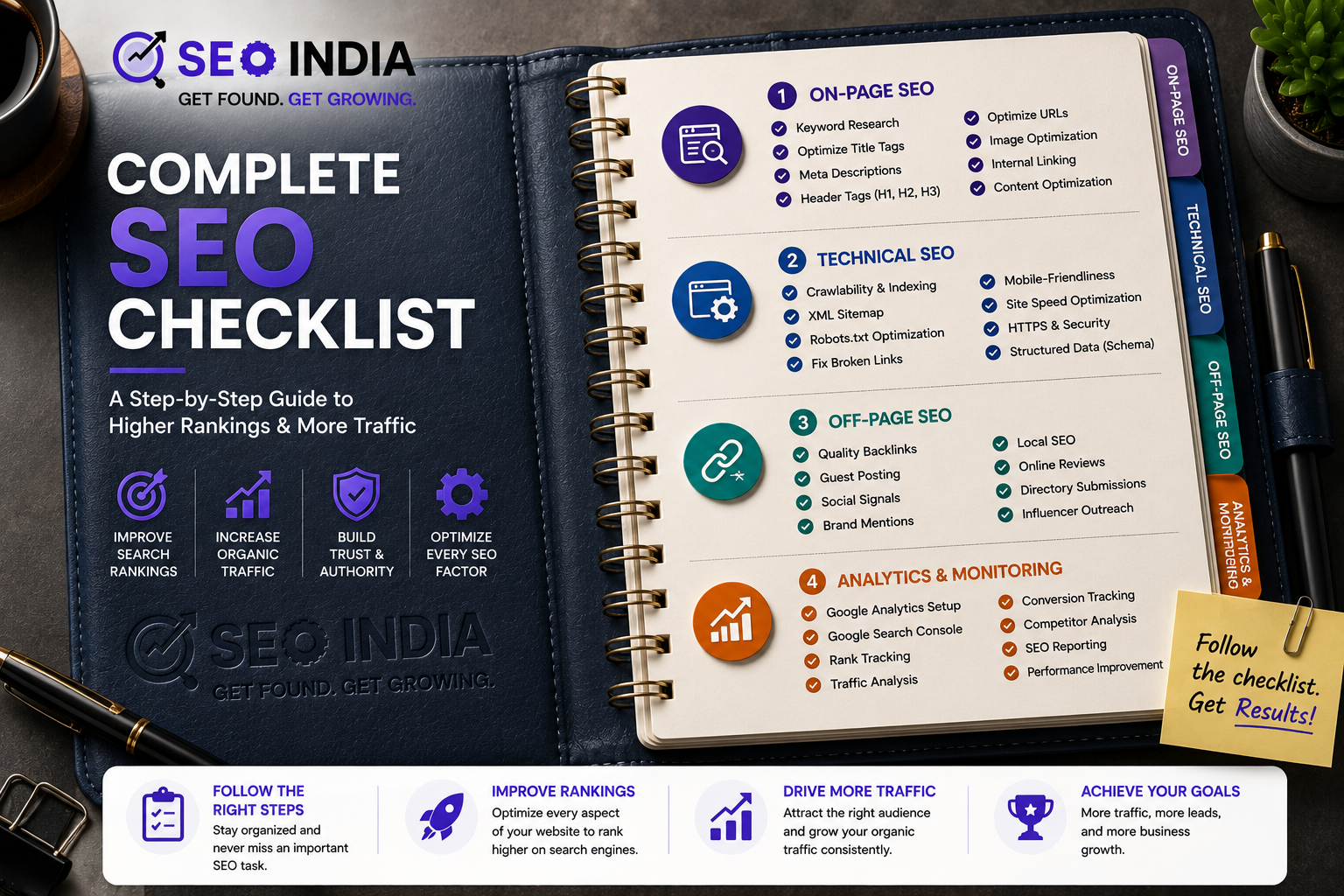
None of this gives perfect attribution, but it gives you a far stronger base for decisions. Our complete SEO checklist is a useful companion while you tidy up your setup.
How Can Customer Surveys Close the Attribution Gap?
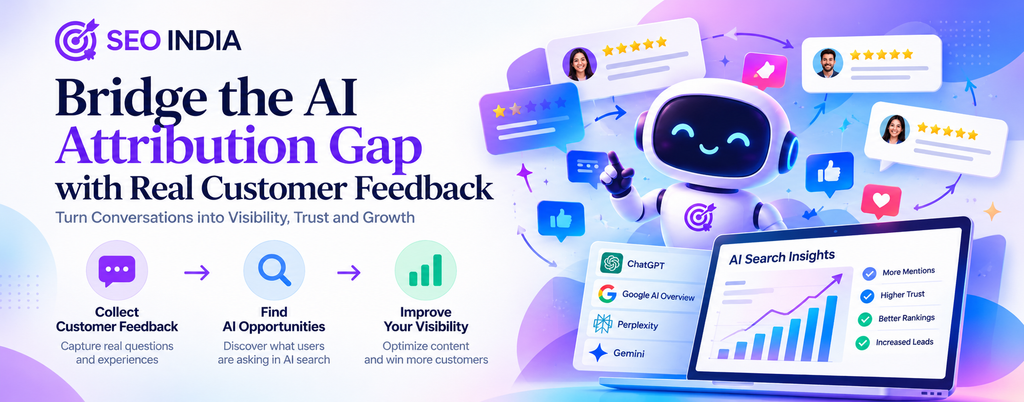
Some of the best attribution data comes straight from customers.
Ask One Simple Question
Add “How did you first hear about us?” to your contact form, onboarding or post-purchase survey. Offer options such as search engine, AI assistant, professional recommendation, social media and other, plus an optional box asking which AI tool they used and what they were researching.
Know the Limits
Self-reported answers are imperfect. People forget their first touchpoint or name the source that prompted action rather than the one that introduced you. Many will have met your brand in several places. Even so, these answers add context analytics can’t capture.
Make It Useful
Keep the question short, allow more than one answer and save responses in your CRM. Over time, compare reported discovery methods with lead quality and sales outcomes. If more qualified prospects say they found you through AI, treat it as strong supporting evidence alongside visibility records and traffic trends, not as final proof.
How Do You Connect AI Visibility With Leads and Revenue?
The goal isn’t just to appear in more AI answers. It’s to be visible for the questions buyers ask when they’re choosing, and to turn that discovery into real customers.
Focus on Revenue-Linked Questions
Pick buyer prompts closest to a purchase. An SEO agency might track questions about choosing a provider for a specific industry, comparing services or understanding pricing. These matter more than broad curiosity questions from people who will never buy. Our article on how AI search explores related questions can help you decide which questions to monitor.
Follow What Happens Next
Review citations, relevant visits, bookings, form submissions and lead qualification records. Where customers report AI discovery, compare how they move through your pipeline against other leads. Don’t assume they will convert better. That depends on your audience, offer, buying cycle and sales experience.
Allow for Time
A buyer may research today and contact you weeks later, so matching one week’s visibility to that same week’s revenue can mislead. Report monthly, combining leading signals (visibility, citations) with lagging results (qualified opportunities, sales). For longer sales cycles, judge trends over several months.
Use the Findings
If you appear for informational questions but not buying ones, your service pages may need more detail, clearer comparisons or stronger proof of expertise. If visibility rises but qualified enquiries don’t, review your prompt selection, audience assumptions and conversion experience before spending more.
How Can SEO India Help Measure AI Visibility?
SEO India treats AI visibility as part of a wider plan to win customers, not as a vanity score. We begin by learning how your buyers describe their problems, which questions they ask AI platforms and what they weigh when choosing a provider.
Our Approach
- Baseline audit: Check mentions, citations, competitors and results across commercially relevant prompts.
- Gap analysis: Find where you appear, where competitors lead and where content, entity information or evidence of expertise is thin. Our guide to entity SEO for AI search explains one important part of this.
- Improvements: Prioritize content, technical access and genuine third-party mentions.
- Ongoing tracking: Repeat the same method over time and link it with analytics and CRM data where available.
No honest provider can guarantee an AI recommendation or a specific revenue increase, because AI answers vary and business results depend on many factors. A disciplined process simply helps you understand your position and judge evidence without mistaking more mentions for proven growth. To learn more, explore our AI-powered SEO services and LLM SEO pages, or read how traditional SEO and LLM SEO work together.
Frequently Asked Questions About AI Search Attribution
What is AI search attribution?
It is the process of understanding how exposure to AI answers and recommendations may contribute to visits, enquiries and sales. It’s difficult because the AI interaction can happen outside your analytics while the later visit appears as organic or direct traffic.
Why is AI attribution harder than normal referral tracking?
Normal tracking can often see which site or campaign sent a visitor. AI discovery may happen inside a conversation with no referral, and the customer may return later through a different channel.
Can Google Analytics 4 measure all AI traffic?
No. It can record traffic when referral information is available, but it cannot reveal every earlier AI interaction. Use it alongside branded search trends, customer surveys, AI visibility checks and CRM outcomes.
Which metrics matter most?
A mix: visibility across relevant prompts, brand mentions and citations, AI referral sessions, branded search, qualified leads and revenue. Reports should connect visibility with behavior and business results.
Does a rise in branded search prove AI visibility is working?
No. Ads, press, referrals and other activity can also raise it. Compare it with AI visibility records, customer-reported discovery and lead quality before drawing conclusions.
How often should I review the data?
Monthly is a practical start. Shorter sales cycles may benefit from more frequent checks, while longer cycles should be judged over several months.
Conclusion: Measure Influence, Not Just the Last Click
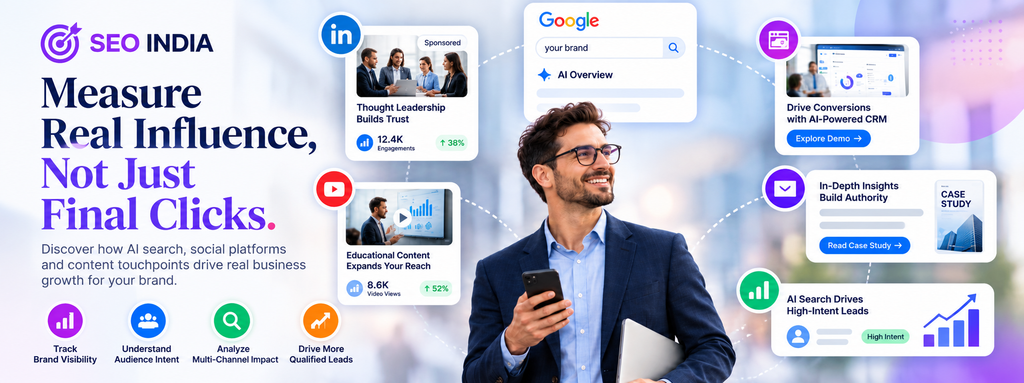
AI search attribution is hard because a customer’s first meaningful interaction can happen long before the visit that analytics records. An AI recommendation may introduce your business, and the measurable visit may arrive days later through Google, direct traffic or another route. A standard report can be accurate about the final step and still miss the influence that created the demand.
You can close much of that gap by combining steady AI visibility tracking with website analytics, branded search data, customer surveys and CRM records. Each source has limits, but together they give a fuller picture. The aim isn’t to credit AI for every conversion. It’s to learn whether your visibility reaches the right audience and whether the wider journey shows real commercial impact.
If you invest in SEO, AEO or GEO, look beyond mention counts and referral sessions. Track the questions buyers actually ask, measure consistently, study behavior after discovery and tie it to qualified leads and revenue. That makes AI measurement more useful, more honest and easier to act on.
Schedule Your AI Visibility Consultation With SEO India
Not sure whether AI search is helping your business? SEO India can review your current visibility, set up a measurement baseline and build a plan tailored to your goals. Explore our AI-powered SEO services, get your free SEO proposal, or contact our team today.
About The Author
SEO India
SEO India is a search marketing and digital growth agency specializing in AI-powered SEO, LLM SEO, local SEO, and PPC advertising. The team helps businesses of all sizes improve their rankings, attract qualified traffic, and build a strong presence across Google and AI search platforms like ChatGPT, Gemini, Claude, and Perplexity.