Key Takeaways
Key Takeaways
⌃- ChatGPT Does Not Search Your Question Word for Word: One prompt can trigger several searches.
- What Is a Query Fanout?: A single question split into related information needs.
- How One Question Becomes Many Searches: Buyer concerns shape the hidden searches.
- What AI Tends to Look For: Comparisons, reviews, and current information.
- Why Reviews and Third-Party Sources Matter: Your website is not the only evidence.
- Query Fanouts and AI Citations: Mentions only show the end of the process.
- What Query Fanouts Mean for LLM SEO: Think in topics, not isolated keywords.
- How to Optimize Content for Query Fanouts: Start with the buyer, not the keyword.
- How SEO India Approaches AI Visibility: Measure, find gaps, and improve.
- How to Run a Practical Query Fanout Audit: Start small with your most valuable prompts.
When someone searches on Google, they usually type a phrase, scan the results, and choose which websites to open. AI search works differently. When a customer asks an AI platform a question, the system may look into several related parts of that question before it writes an answer.
Imagine someone asks, “Which SEO agency is best for a dental clinic?” It looks like one question. But a useful answer needs more than pages containing those exact words. The AI may need to understand dental SEO, compare agencies, check reviews, look at pricing, and find proof of results. This process is often called a query fanout.
Fanouts matter because they change how businesses should think about AI visibility. You may have one page that answers the customer’s original question, while a competitor has a wider set of content covering every related question the AI investigates. That competitor simply has more chances to be included in the final answer.
No outside marketer can see the exact process any AI platform follows, so treat everything below as practical guidance, not a guaranteed formula.
ChatGPT Does Not Search Your Question Word for Word
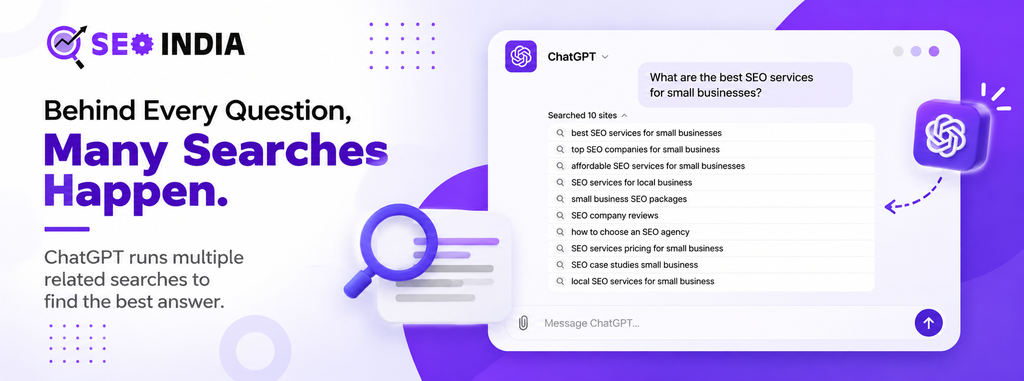
The biggest mistake businesses make is assuming the customer’s prompt is the whole search. It often isn’t.
A Prompt Is Only the Starting Point
Take the question, “What are the best accounting software options for a small business?” The person likely wants to know about features, pricing, ease of use, support, and how each option compares. An AI system trying to be genuinely helpful needs information on all of those points before it can recommend anything.
What This Means for Your Content
Instead of asking only “which keyword should this page target?”, ask “what would an AI need to know before it could confidently recommend us?” A company can have a well-optimized page for its main service and still be overlooked if it says little about use cases, pricing factors, results, or the questions buyers ask. This is why traditional SEO and LLM SEO work best together.
What Is a Query Fanout?
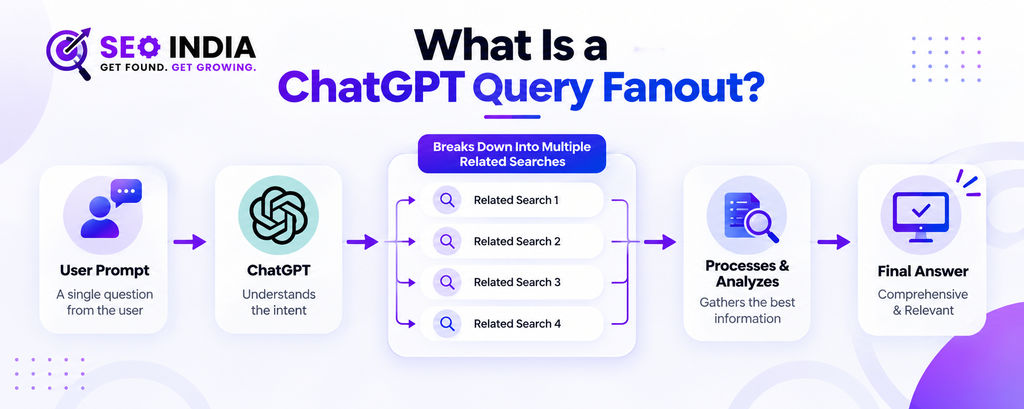
A query fanout is the expansion of one original question into several related searches or information needs that help an AI system investigate a topic.
A Simple Example
A customer asks, “Which CRM is best for a small real estate team?” Behind that single question sit several smaller ones: which CRMs suit small teams, which have real estate features, how lead tracking works, what automation is available, what users say, and how pricing compares.
Why It Changes Content Strategy
One keyword no longer equals one page. A stronger approach looks at the whole topic and the decisions a buyer has to make. For a company offering SEO services, supporting content might cover:
- How SEO services work and what they include
- Pricing and what affects cost
- How to choose the right agency
- Industry-specific SEO, such as dental practice SEO
- How results are measured
- Common mistakes and questions before hiring
These pages should exist because they answer different parts of the same customer problem, not just to add more URLs.
How One Question Becomes Many Searches
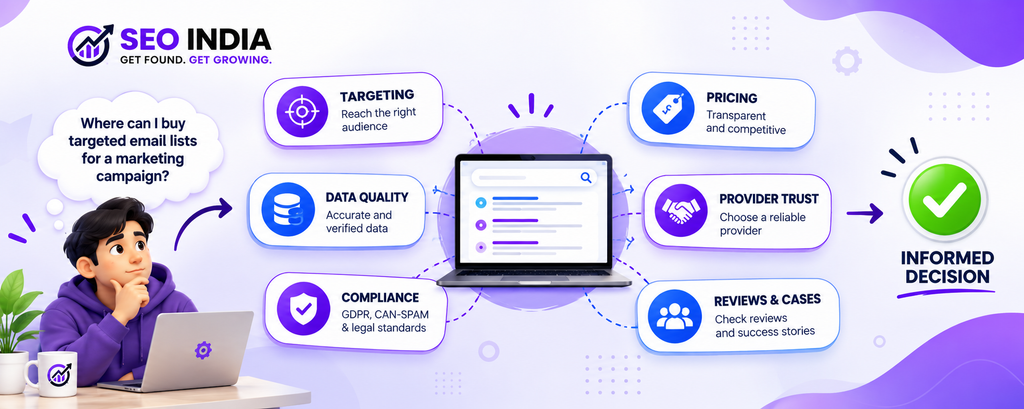
The easiest way to understand fanouts is to follow the buyer’s thinking.
Example: A Business Owner Researching an Agency
Someone asks an AI platform, “Where can I find a reliable SEO agency in India?” Before choosing, they still want to know:
- Does the agency have experience in my industry?
- What do other clients say about them?
- How much does it usually cost?
- How do I tell a good agency from a bad one?
- What results can I realistically expect?
An AI answering well needs information on each of these. If your website only has one general service page, the AI has to look elsewhere to fill the gaps, and those other sources may belong to your competitors. Our guides on how to choose the right SEO agency and how much SEO agencies charge exist for exactly this reason.
What AI Tends to Look For

AI systems seem to explore the same things people do when making a decision. Observed behavior suggests that searches may be widened with ideas like comparisons, reviews, alternatives, and current information, even if the customer never typed those words.
Cover the Decision, Not Just the Definition
If you sell a service, explain what it is, but also explain:
- How to evaluate providers
- What factors matter most
- What mistakes to avoid
- How different options compare
- What questions to ask before buying
A Word of Caution
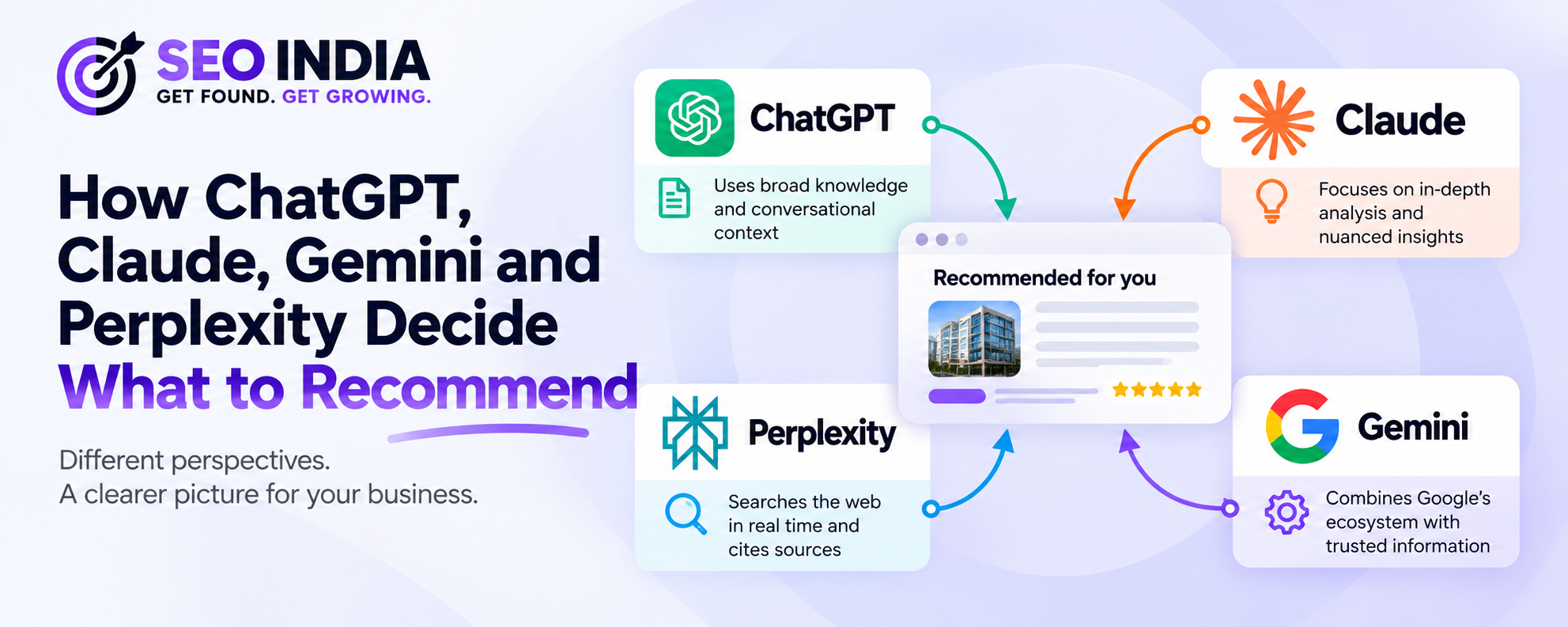
Don’t stuff words like “best” into every heading. The goal is to be genuinely useful at each step of the buying decision. For a deeper look at how different AI products choose what to mention, read how ChatGPT, Claude, Gemini and Perplexity decide what to recommend.
Why Reviews and Third-Party Sources Matter

AI systems don’t rely only on a company’s own website. They can also draw on reviews, comparisons, directories, news coverage, and community discussions.
Your Footprint Is Bigger Than Your Website
A business may have excellent pages of its own, but if competitors have more genuine reviews, more industry mentions and more independent coverage, the AI has more evidence to support recommending them.
Sources Worth Building
- Genuine customer reviews on trusted platforms
- Professional directories and industry listings
- Expert contributions and guest articles
- Independent comparisons and press mentions
- Consistent business details across the web
Do It the Honest Way
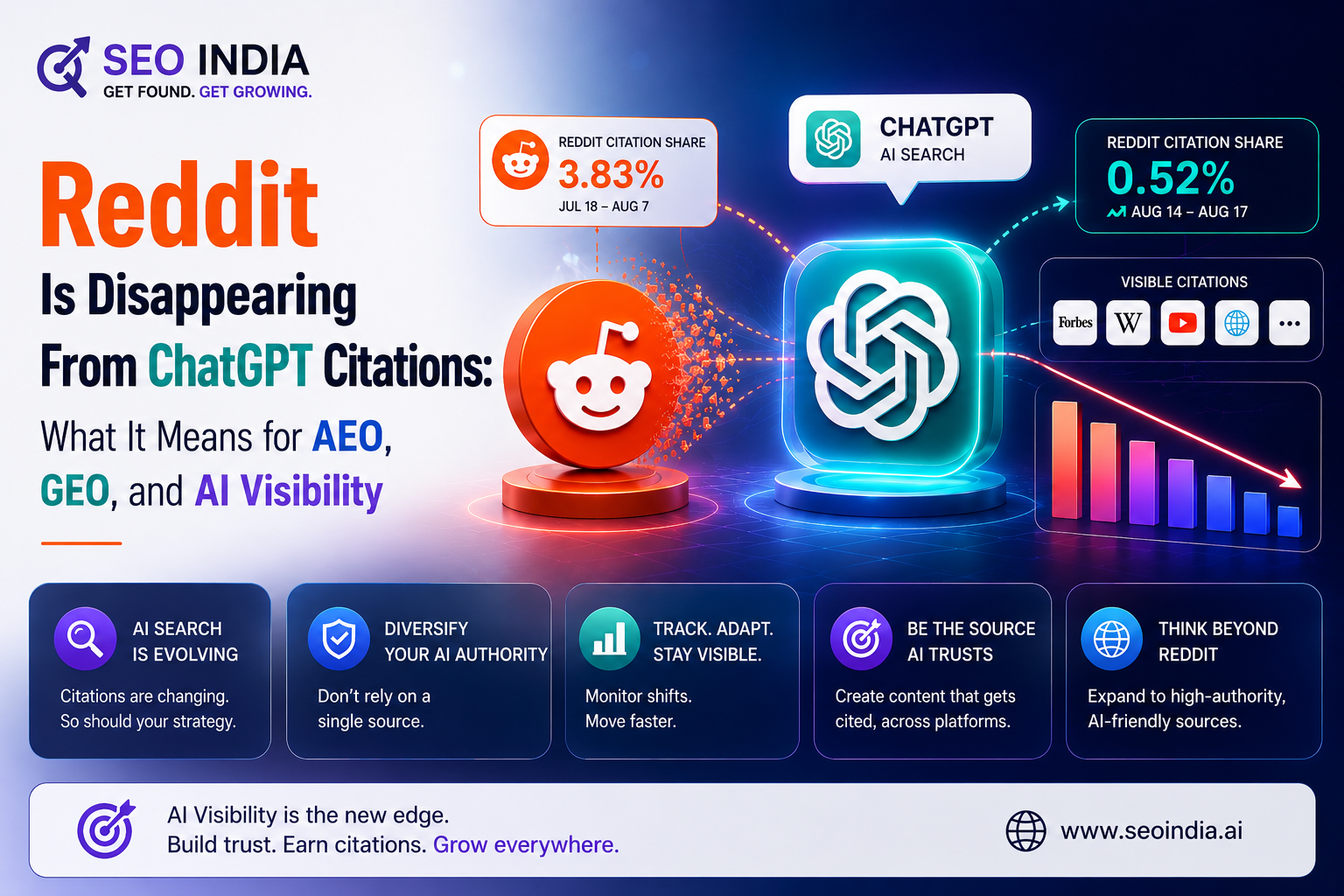
Never create fake reviews or manufactured discussions. That undermines the very trust that makes these sources valuable. Build something worth talking about, ask satisfied customers for honest feedback, and earn mentions. Our off-page SEO guide covers this in detail, and our article on Reddit and ChatGPT citations explains why community sources can change over time.
Query Fanouts and AI Citations
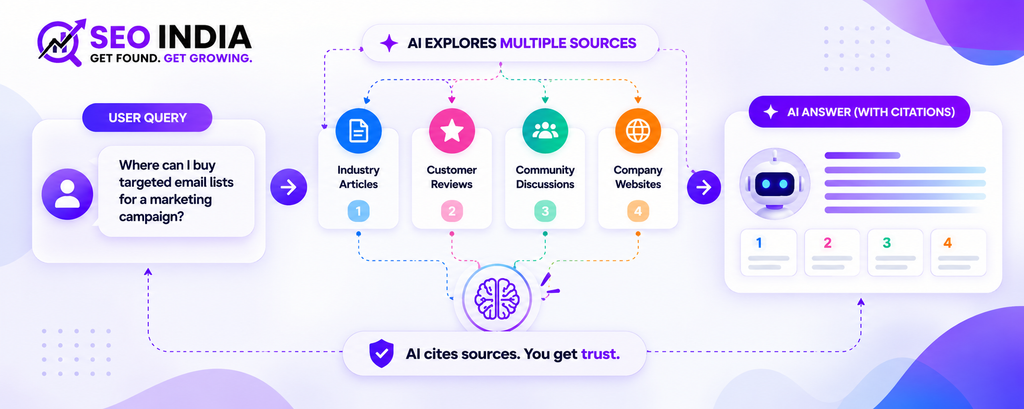
Most companies track AI visibility with one question: “Did the AI mention us?” That’s useful, but it only shows the end of the process.
Ask What Came Before the Mention
Fanouts add a better question: what was the AI looking for before it picked its sources? Suppose you appear for a broad question but vanish when the prompt gets more specific. Possible reasons include:
- Strong general authority but weak coverage of a specific use case
- A competitor with better comparison content
- Stronger reviews or third-party mentions elsewhere
- A website that explains your service but not the questions buyers ask
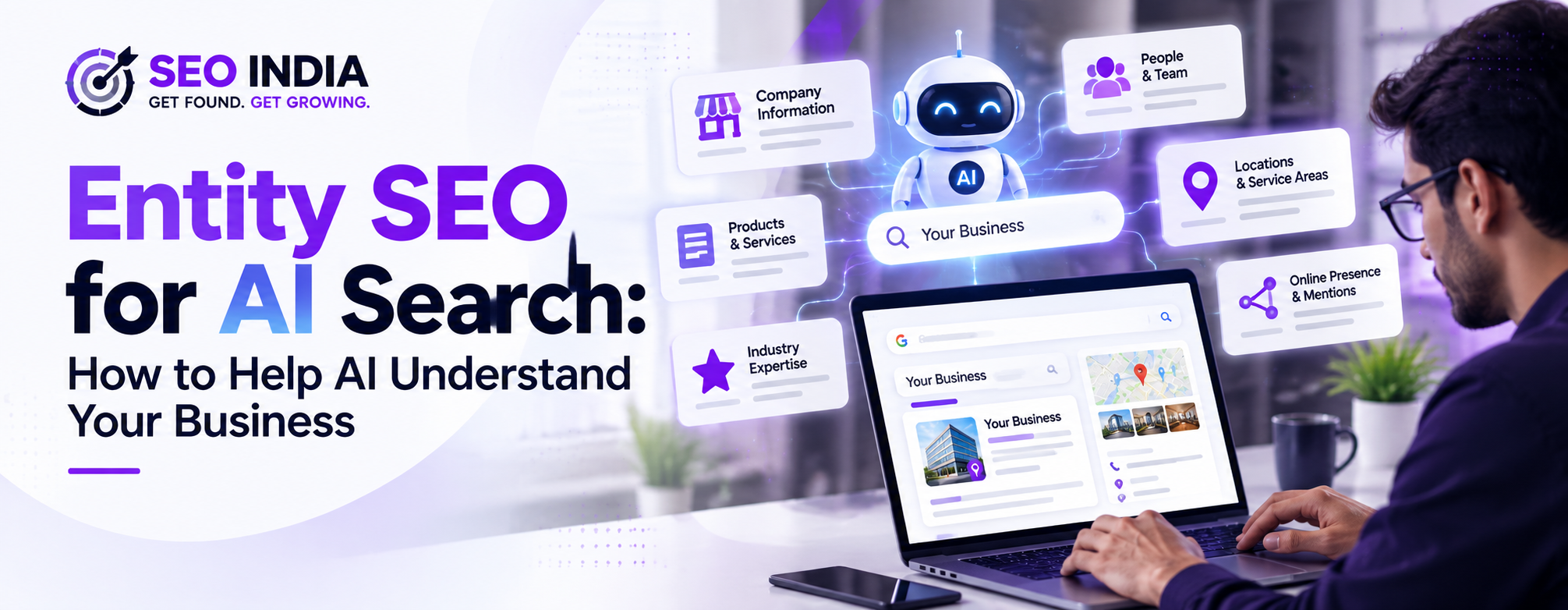
Each cause needs a different fix. That is why simple mention-counting isn’t enough, and why entity clarity matters so much for helping AI understand who you are.
What Query Fanouts Mean for LLM SEO
The practical takeaway is that LLM SEO should be built around topics, relationships and buyer questions, not isolated keywords.
Traditional SEO Still Matters
Technical health, useful content, authority and clean site structure remain the foundation. Our technical SEO guide is a good starting point. AI search adds a layer on top, because the system may investigate several connected questions before it answers.
Internal Linking Becomes a Strategy
A central guide can introduce a subject and point to detailed pages, which link back to the main guide and to each other. This creates a natural path through the topic and shows AI systems how your content fits together. Our guide on how to rank in AI search platforms is one example of this connected approach.
How to Optimize Content for Query Fanouts
Start With the Customer
Think about what a buyer asks before contacting you, what makes them hesitate, what they compare, and what they need to trust a provider. Group those questions by intent.
Decide What Gets Its Own Page
Some questions deserve a dedicated page. Others belong together inside one larger article. Then connect pages with links that genuinely help the reader, not just because two pages share a keyword.
Answer Clearly
- Put a direct answer near the top of each section
- Use headings that mirror real questions
- Add specifics, examples and evidence
- Keep information current
Don’t Write Only for the Algorithm
If an article is useful to the reader, explains the subject clearly and links to relevant resources, it has a stronger foundation for both traditional and AI search. Our SEO content writing guide and keyword research guide show how to plan this.
How SEO India Approaches AI Visibility
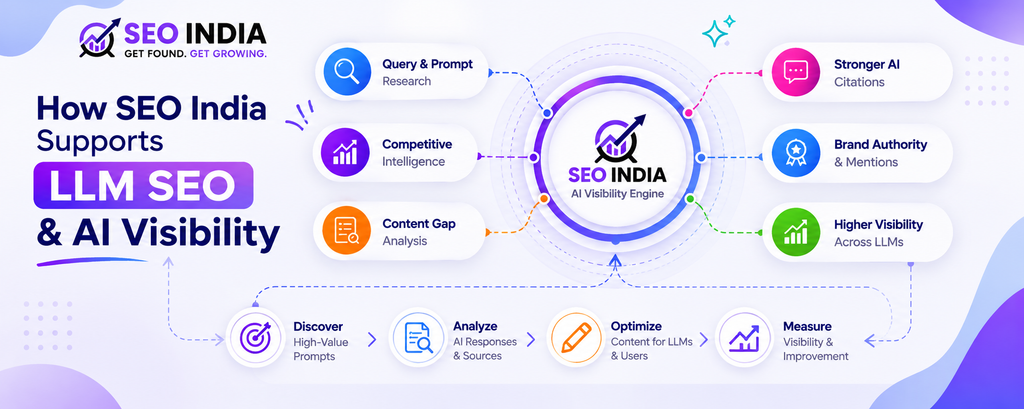
At SEO India, we look at AI visibility from the buyer’s side, not as a list of isolated keywords. For any important customer question, we ask:
- Who is the buyer, and what problem are they solving?
- What related information would an AI need?
- Where does your brand appear, and where do competitors appear instead?
- Which sources support those competitors?
- What content or authority gaps explain the difference?
The answers become a practical plan covering content coverage, internal linking, entity signals and third-party authority. Because competitors publish, sources change and AI platforms evolve, this is an ongoing process, not a one-time fix. You can see the full range of what we offer on our AI-powered SEO services page.
How to Run a Practical Query Fanout Audit
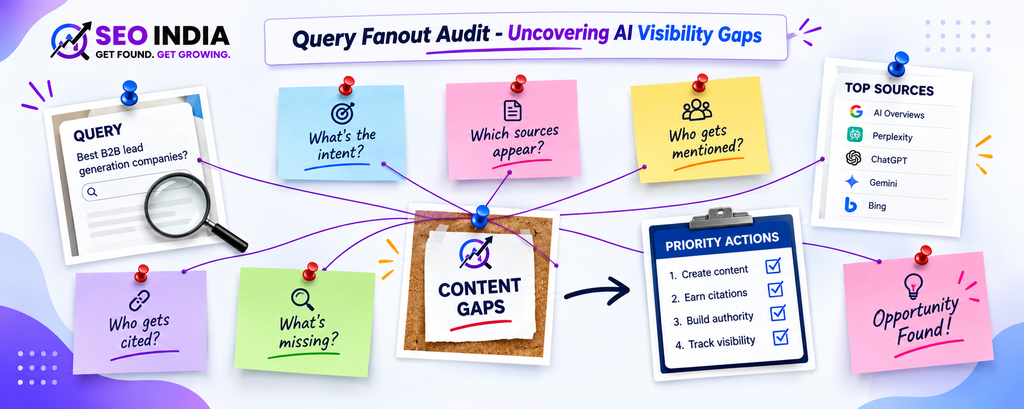
You don’t need hundreds of prompts to start. Pick 20 to 50 questions that matter most to your business, covering different customers, problems and stages of the buying journey.
For Each Prompt, Check
- What is the customer really asking?
- What related questions might the AI need answered?
- Which sources and pages are cited?
- Which competitors are mentioned?
- Do you have equivalent information on your website?
- Are there gaps in reviews, mentions or consistent business details?
Turn Findings Into a Roadmap
The point isn’t to guess an AI platform’s internal process. It’s to understand the information environment around the questions that matter, then close the gaps. Sometimes that means a better supporting page. Sometimes it means stronger reviews, expert contributions or clearer entity information. Repeat the audit regularly and keep a baseline so you can see progress.
Frequently Asked Questions
What is a ChatGPT query fanout?
It is the expansion of a user’s original question into several related searches or information needs that help an AI system investigate a topic before answering.
Why do query fanouts matter for LLM SEO?
Because AI can look beyond the exact words a user typed. A page optimized for one keyword may miss the related questions the AI needs answered, so connected content gives your brand more chances to be found.
Does traditional SEO still matter for AI search?
Yes. Technical SEO, quality content, site structure and authority remain the foundation. LLM SEO builds on top of them.
Do third-party sources like reviews and communities affect AI visibility?
They can. AI systems may use information from outside your website, so your wider digital footprint matters. The honest way to build it is through genuine reviews and earned mentions.
How can I find my brand’s fanout gaps?
Start with your most important customer prompts, look at the sources, competitors and questions around them, then compare that with your own content and online presence.
Can SEO India help with LLM SEO?
Yes. We help businesses assess their AI visibility, find content and authority gaps, strengthen topical coverage and track how AI platforms describe their brand over time.
Conclusion
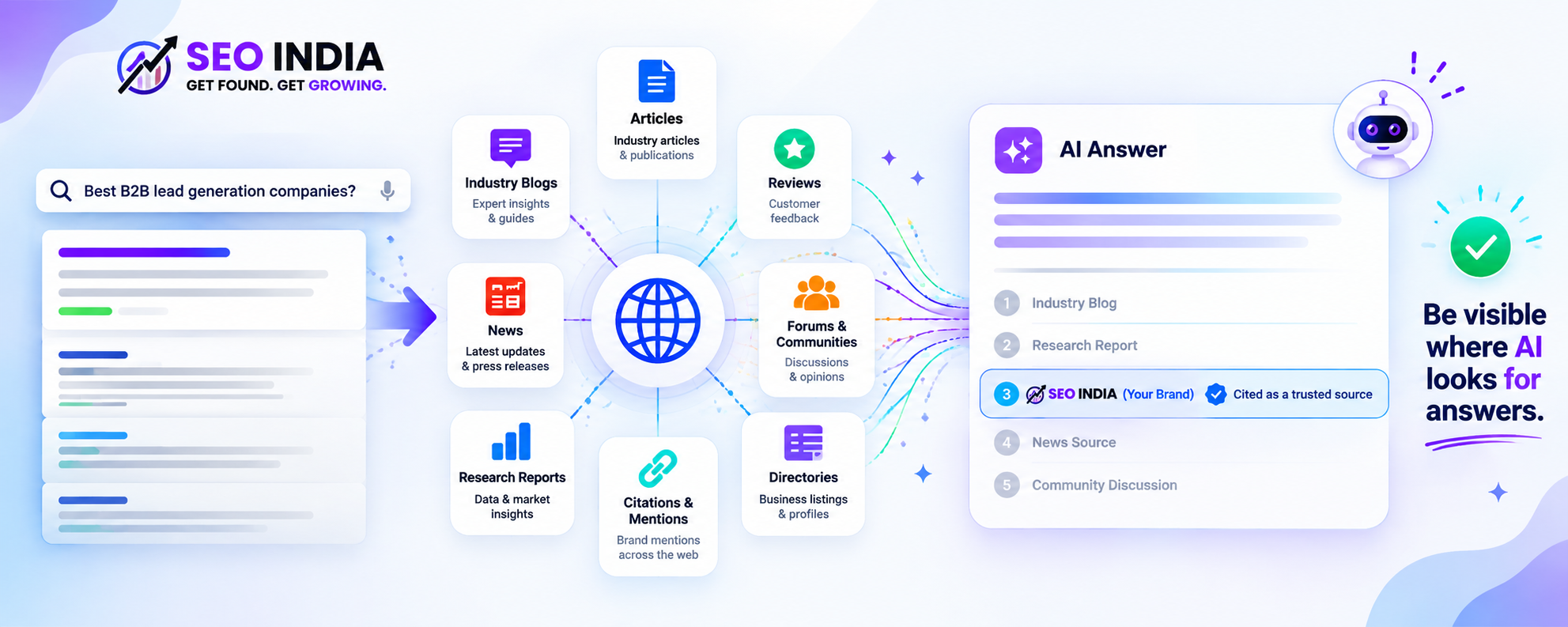
Query fanouts show that the question a customer types may be only the beginning of the AI’s research. The system can compare, check reviews, weigh sources and understand context before deciding what to say.
So the goal isn’t to predict every search an AI might run. It’s to build a strong, connected set of information around the questions your customers actually ask: useful content, meaningful internal links, consistent business details and genuine mentions from credible sources. Your brand doesn’t need to appear everywhere. It needs to be relevant, credible and easy to understand whenever AI investigates the topics your customers care about.
Schedule Your AI Visibility Consultation With SEO India
Want to know where your brand stands in AI search? SEO India can review your current visibility, find the content and authority gaps, and build a plan tailored to your business. Explore our AI-powered SEO services, get your free SEO proposal, or contact our team today.
About The Author
SEO India
SEO India is a search marketing and digital growth agency specializing in AI-powered SEO, LLM SEO, local SEO, and PPC advertising. The team helps businesses of all sizes improve their rankings, attract qualified traffic, and build a strong presence across Google and AI search platforms like ChatGPT, Gemini, Claude, and Perplexity.