Key Takeaways
⌃- Why AI Search Is Not a Single Search Engine
- Why the Same Question Gets Four Different Answers
- How AI Systems Decide What to Mention
- Perplexity: Make Your Facts Easy to Verify
- Claude: Give Enough Context to Understand Your Business
- ChatGPT: Answer the Complete Buyer Question
- Gemini: Strengthen Your Entity and Structured Data
- Why One Website Is Not Enough
- How to Measure AI Visibility by Platform
- What Your Business Should Do Next
- How SEO India Can Help
- FAQs
- Final Takeaway
Search is no longer one experience.
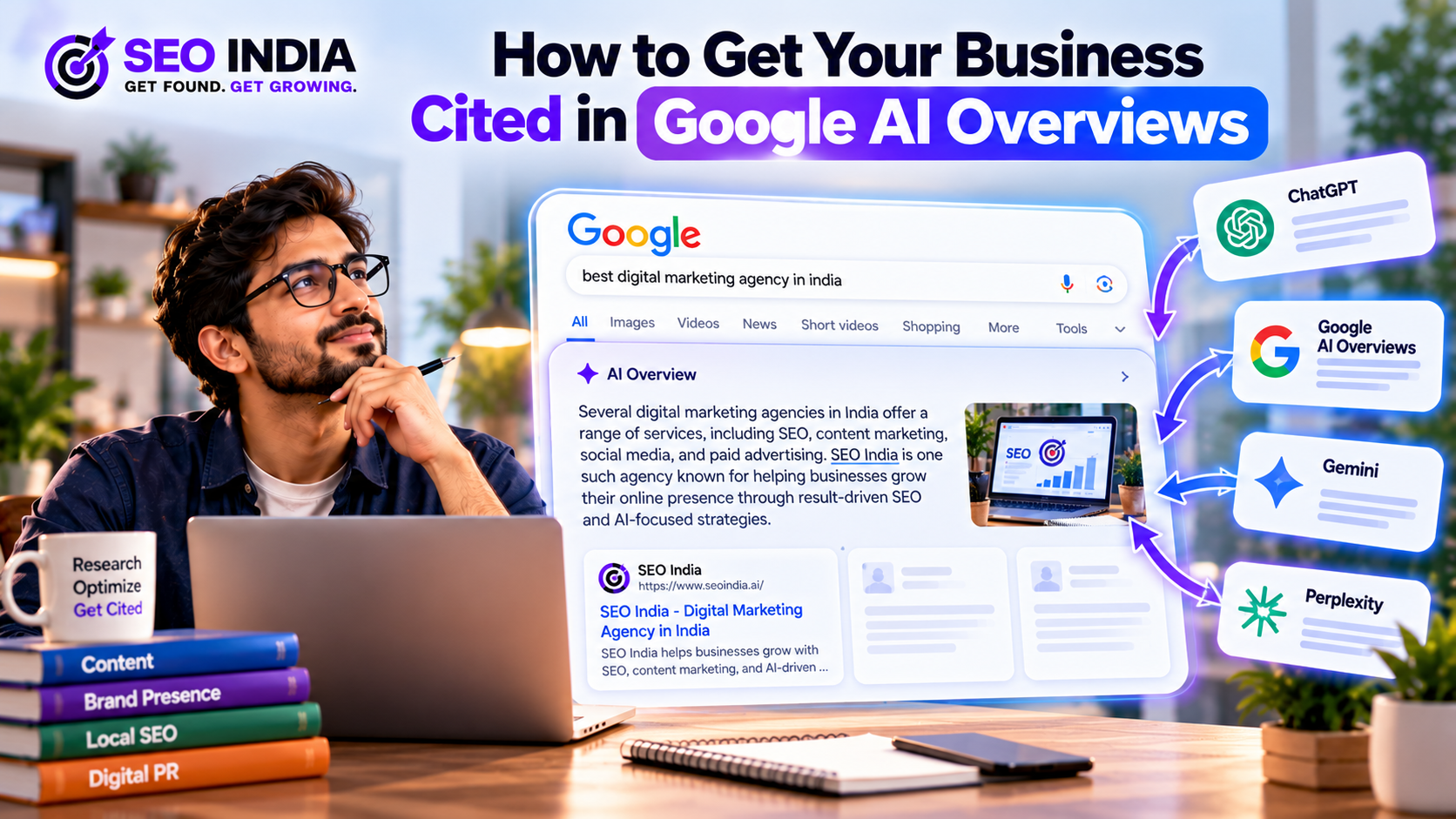
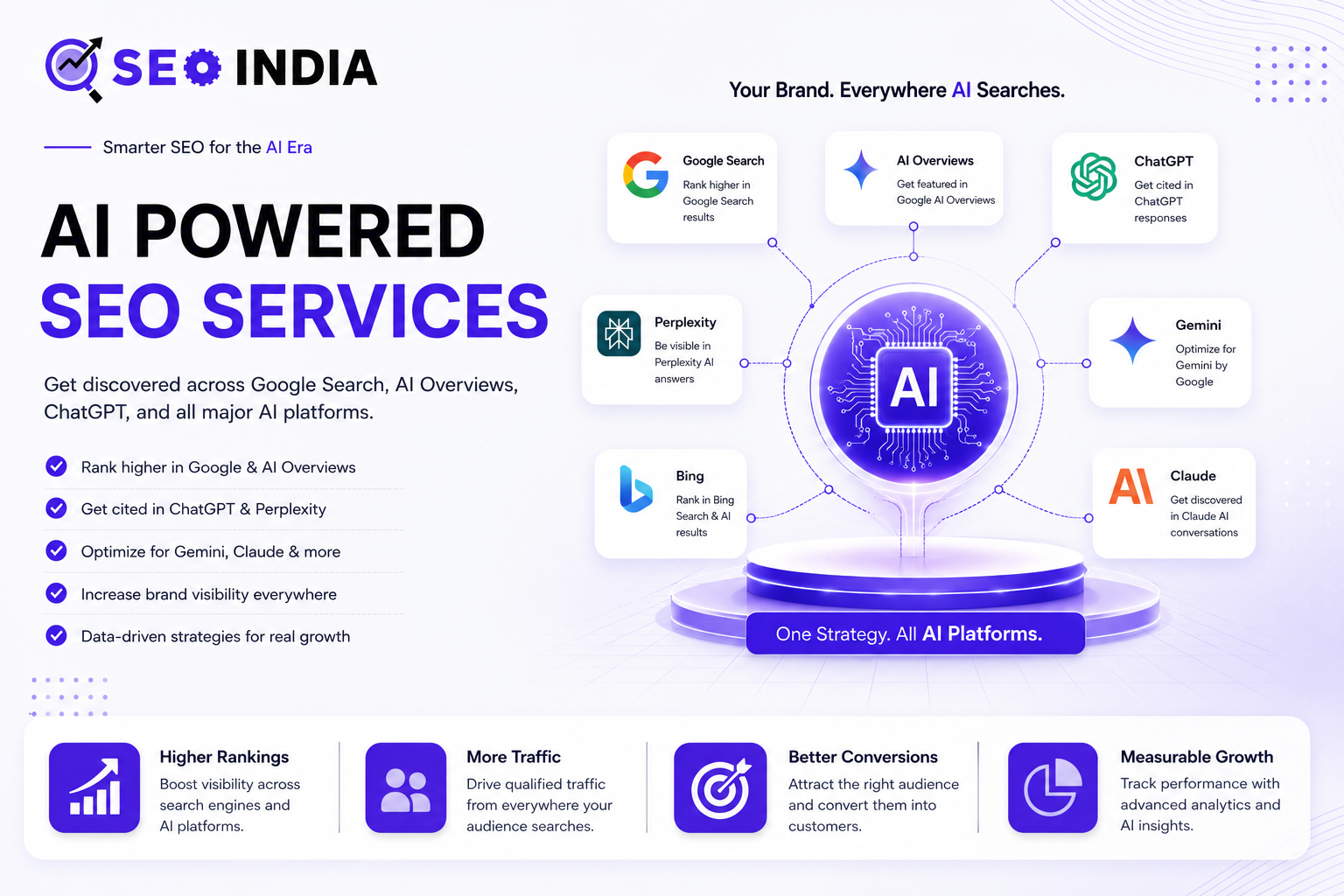
A customer can ask ChatGPT, Claude, Gemini or Perplexity the same question and get different companies, different sources and even a different explanation of what matters. That doesn’t mean one of them is wrong. These products find, read and present information in different ways.
For businesses, this creates a new challenge. It isn’t enough to check whether your company shows up somewhere in AI search. You need to know where it appears, what supports that appearance, and how things change when the buyer’s question gets more specific.
No outside marketer knows the exact formula any of these companies use, because those systems are proprietary. What we can study is how the products behave, what they publicly say about their features, and which practical signals businesses can strengthen. That is the approach we take at SEO India, and it’s the thread running through our AI-powered SEO services.
Why AI Search Is Not a Single Search Engine
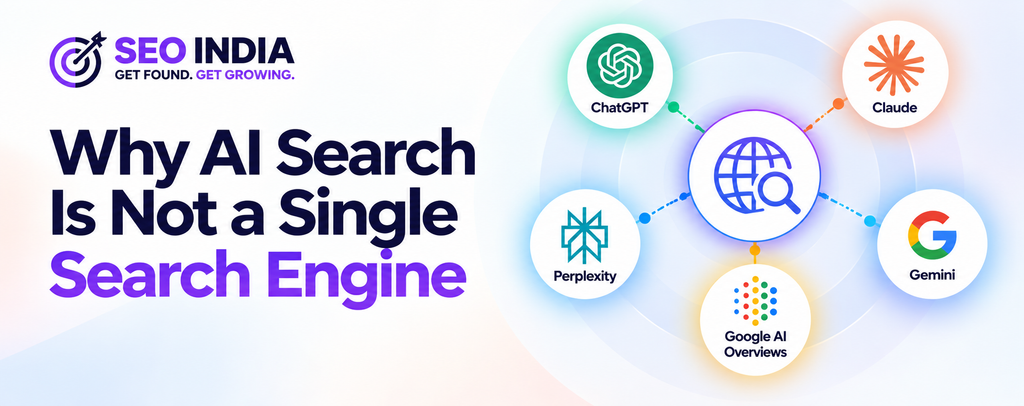
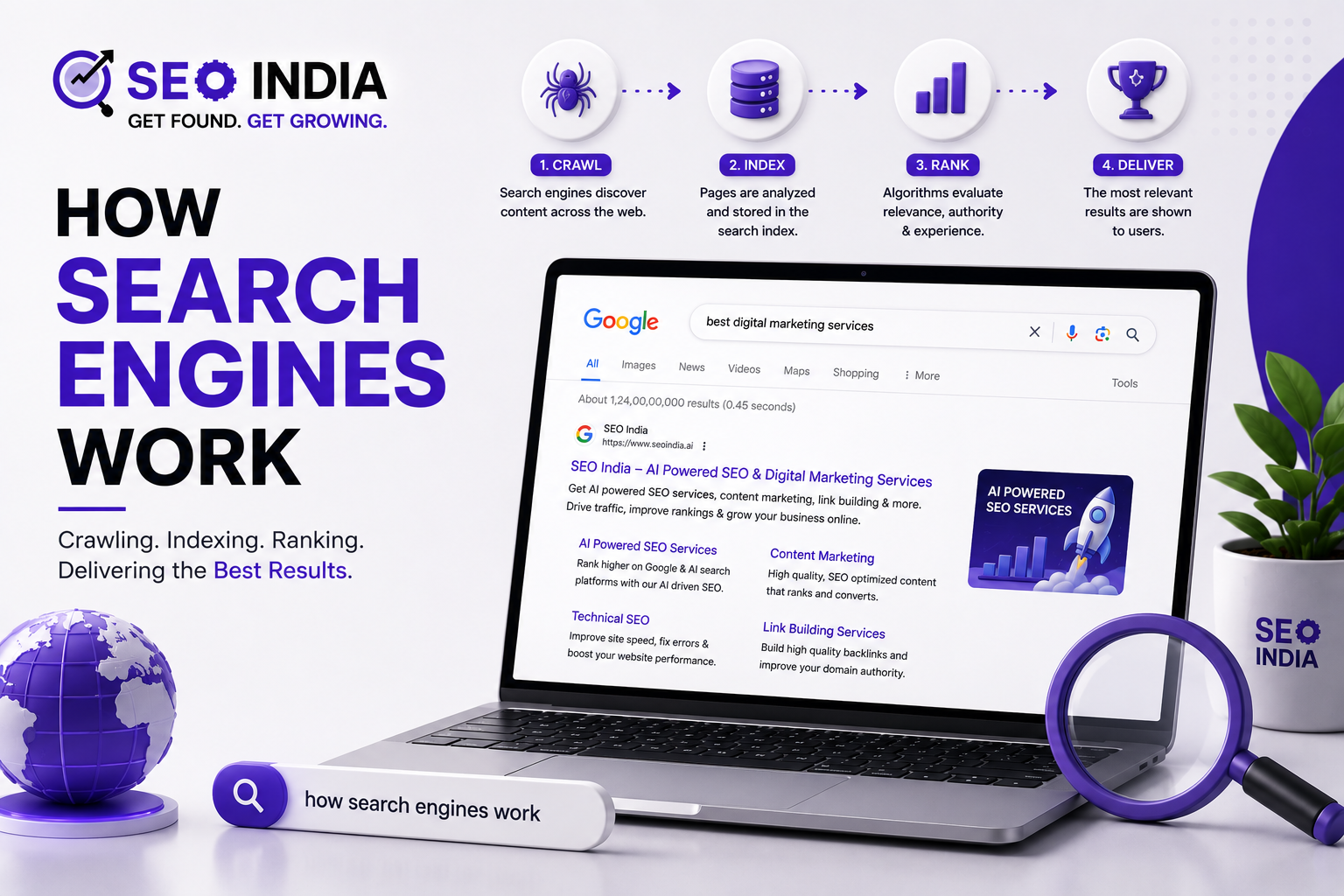
Traditional SEO taught marketers to think in keywords, rankings, pages and clicks. AI search changes the shape of the journey. A customer can ask a conversational question, follow up with a comparison, then ask for a recommendation based on their exact situation.
Some platforms search the web when fresh information is needed and link to the sources they used. Others lean more on what they already know, unless search is switched on. Some are tied closely to a larger ecosystem, like Google’s.
That difference matters. A buyer asking “what are the best healthcare lead generation companies for small clinics?” needs more than a page with the right phrase on it. The AI has to find context, evidence and current information before it can produce a useful answer. This is why traditional SEO and LLM SEO need to be treated as two connected disciplines, not one.
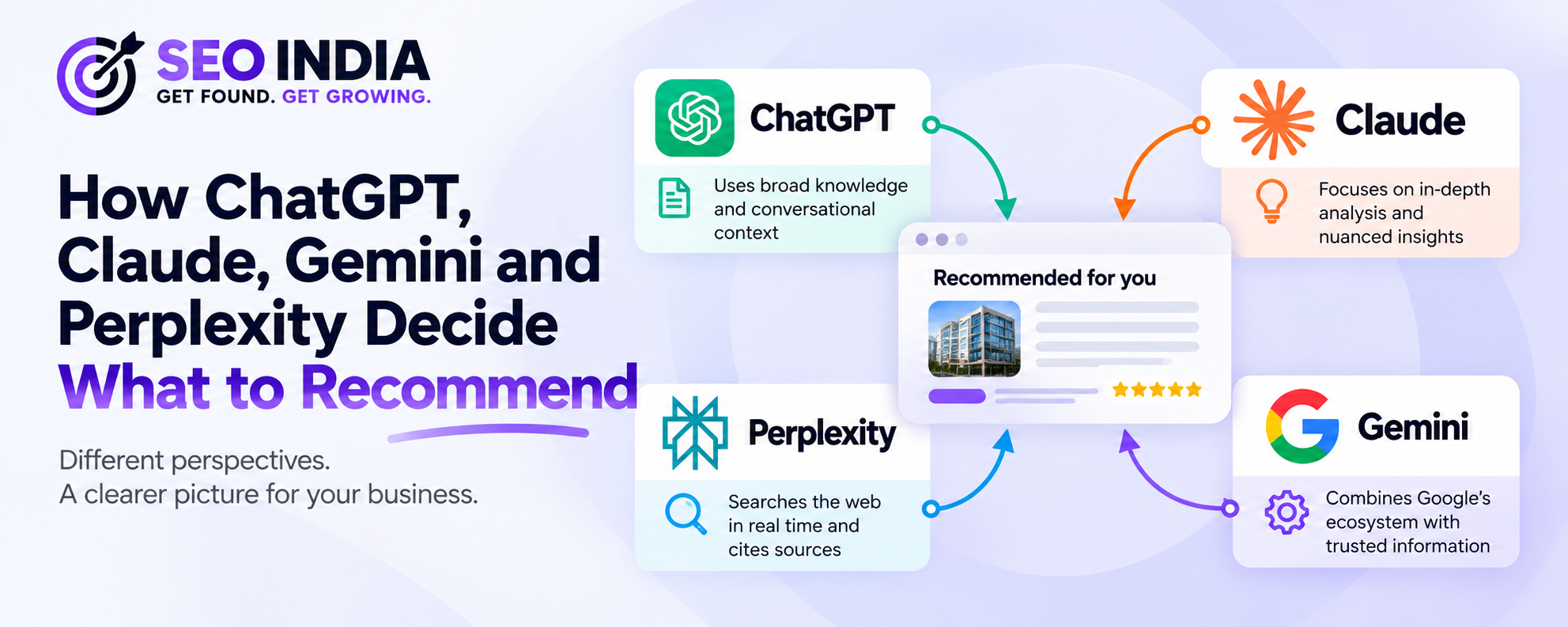
Why the Same Question Gets Four Different Answers
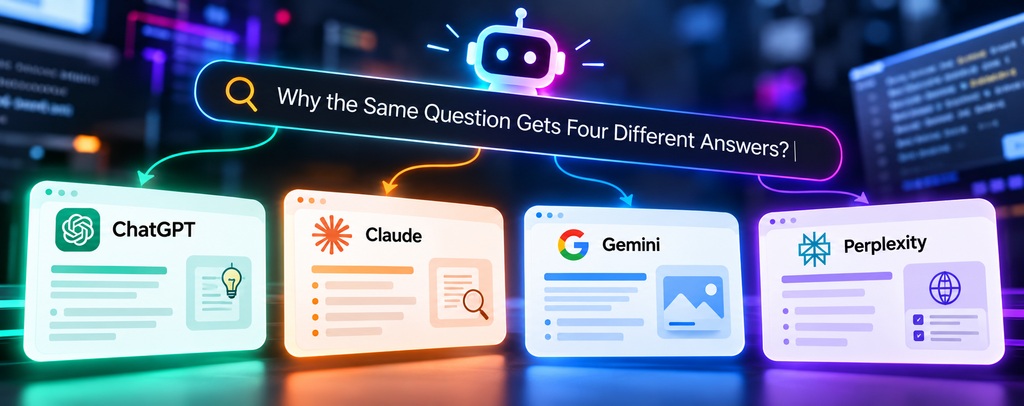
Three things explain most of the variation:
- How information is found. One platform may search live on every question, another only when needed, another mostly relies on training knowledge.
- Which sources are trusted. Documentation, news, community discussions, review sites and company pages all carry different weight in different products.
- How the answer is presented. Some give a broad shortlist, some qualify each option, and some build the whole response around cited pages.
The result is that a brand can rank well on Google, appear in ChatGPT, go missing in Perplexity and be overlooked in Gemini, all in the same week. Treating them as one channel hides those gaps.
How AI Systems Decide What to Mention
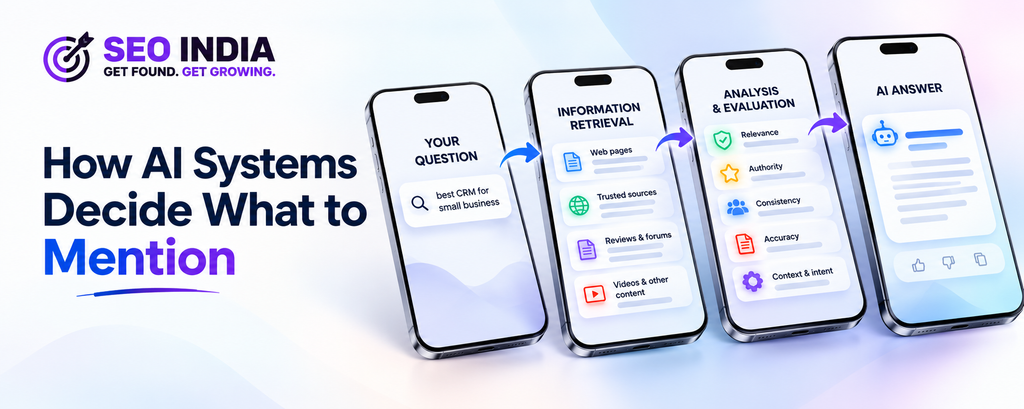
Behind the differences, most AI systems are trying to do the same job: produce an answer the user can trust. To do that, they tend to look for:
- Relevance. Does the source actually address the question being asked?
- Clarity. Can the key facts be pulled out without guesswork?
- Credibility. Is there evidence the source knows the subject, such as expertise, reviews or mentions elsewhere?
- Consistency. Do multiple sources agree about who the business is and what it does?
- Freshness. Is the information current enough to rely on?
If your business is strong on these five, you’re easier to recommend on any platform. If it’s weak on one, the gap tends to show up differently depending on the product.
Perplexity: Make Your Facts Easy to Verify
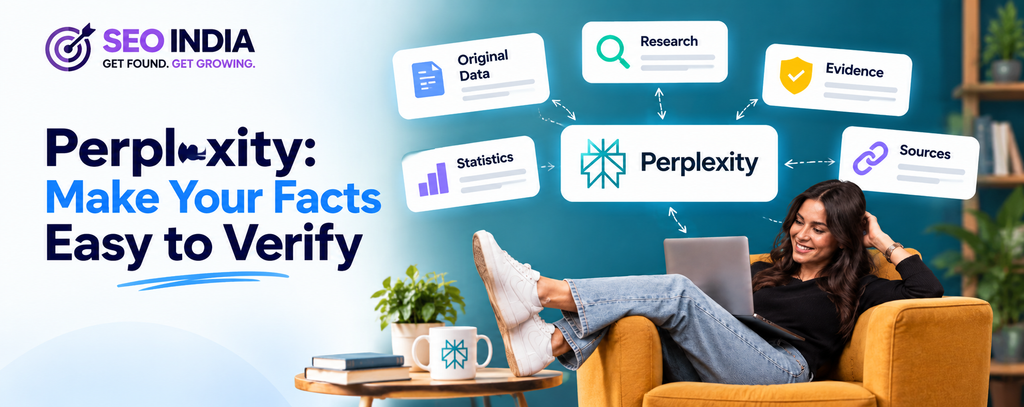
Perplexity is built around searching the web and showing where its answer came from. For a business, that makes verification the priority.
Put your important facts where a reader (or a machine) can confirm them quickly: services, locations, pricing approach, years of experience, results, and who’s behind the content. Back claims with specifics instead of vague statements like “we deliver great results.” Fresh content helps here too, because Perplexity searches live. Keep key pages updated and make sure they load fast and are easy to crawl. Our guide on SEO for Perplexity AI covers this in detail.
Claude: Give Enough Context to Understand Your Business
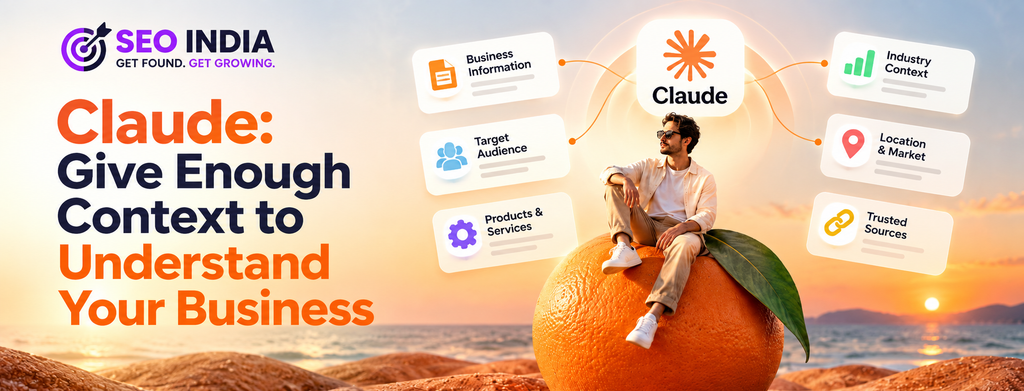
Claude tends to produce thoughtful, qualified answers, and often explains who an option suits and who it doesn’t. To be described accurately, it helps when your content gives real context.
That means explaining what you do, who you do it for, how you work and where you’re not the right fit. Pages with depth and a clear line of reasoning tend to serve this style better than thin pages built only to carry keywords.
Whether web search is available also affects the answer. Without it, the response leans on existing knowledge, so long-term brand clarity matters as much as fresh pages. A solid approach to SEO content writing is the best preparation.
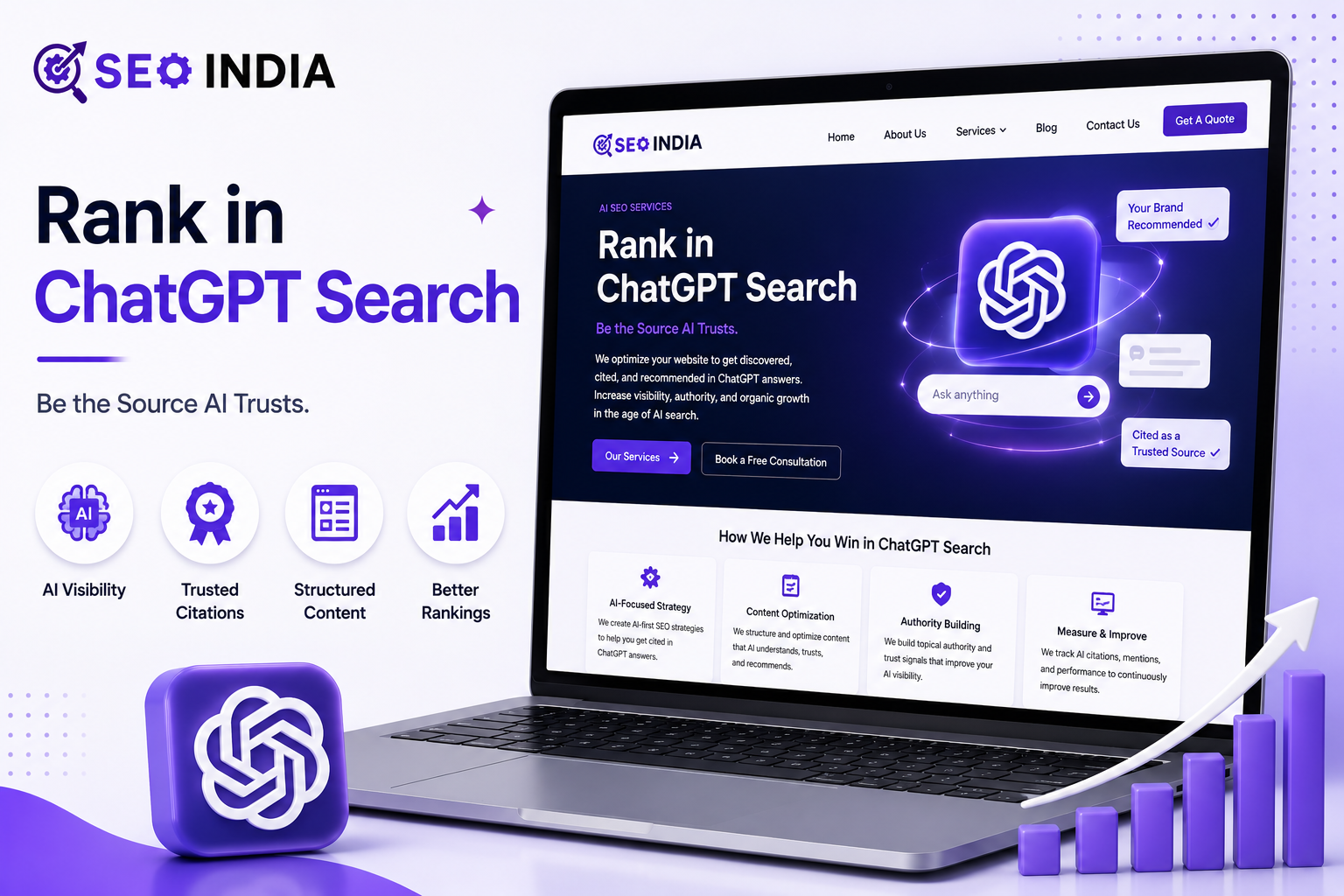
ChatGPT: Answer the Complete Buyer Question
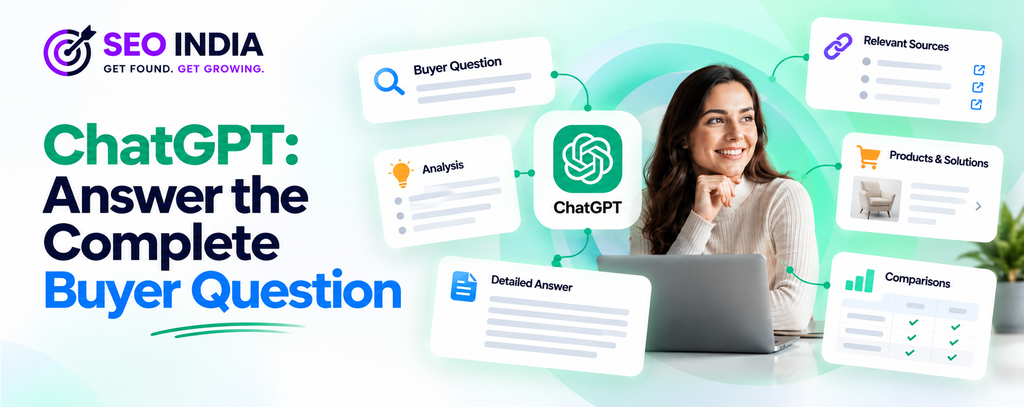
ChatGPT often responds with a structured, organized answer, and it can search the web when it needs current information. Buyers use it to ask complete questions, not keywords.
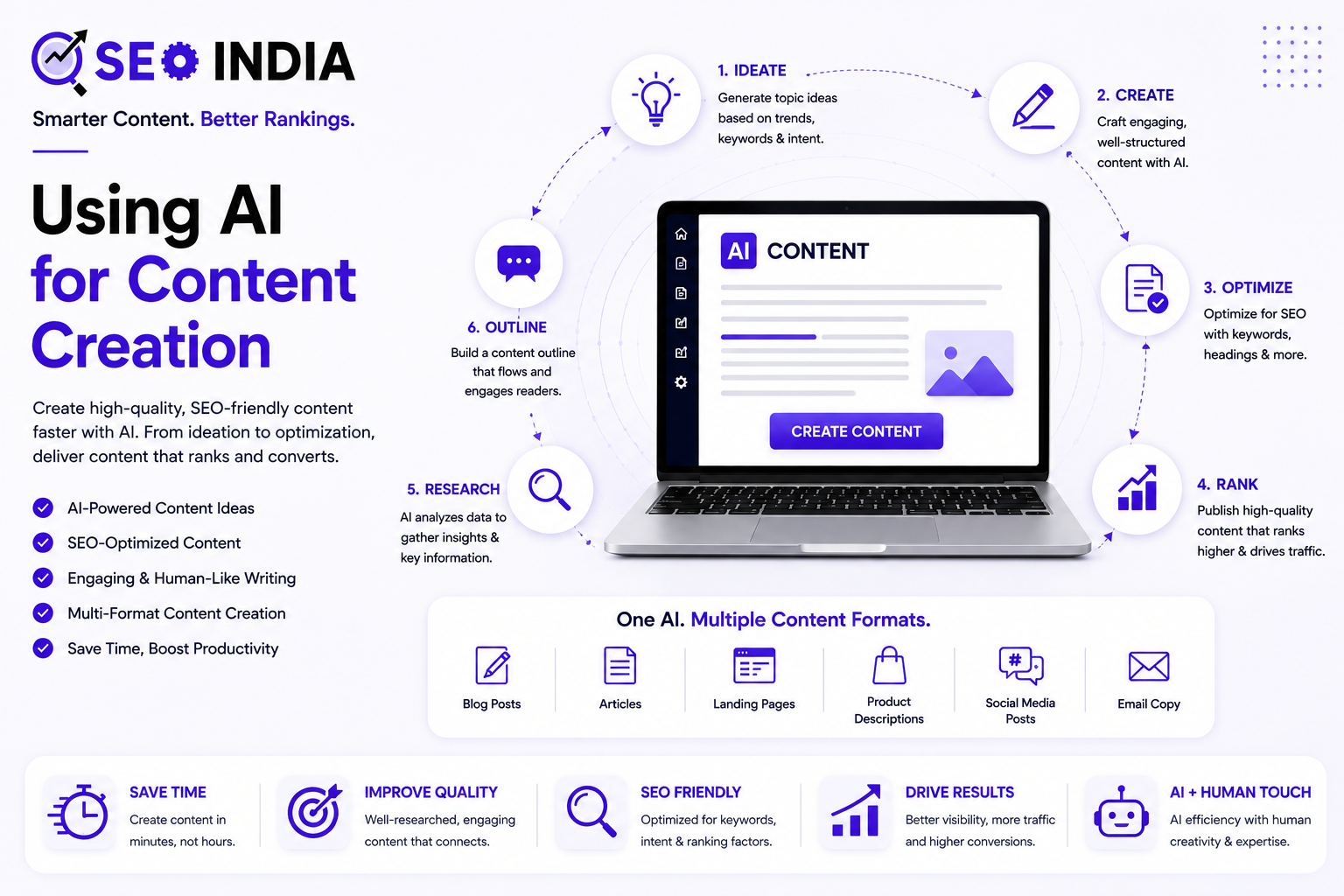
So build content around the full question. Instead of one page for “healthcare SEO,” think about what a real buyer wants to know: how it works, what it costs, how long it takes, what results to expect, and how to choose a provider. When a page answers the whole question, it gives ChatGPT more to work with.
Consistent mentions across the web also help it connect the dots about your brand. Read more in our guide to SEO for ChatGPT search.
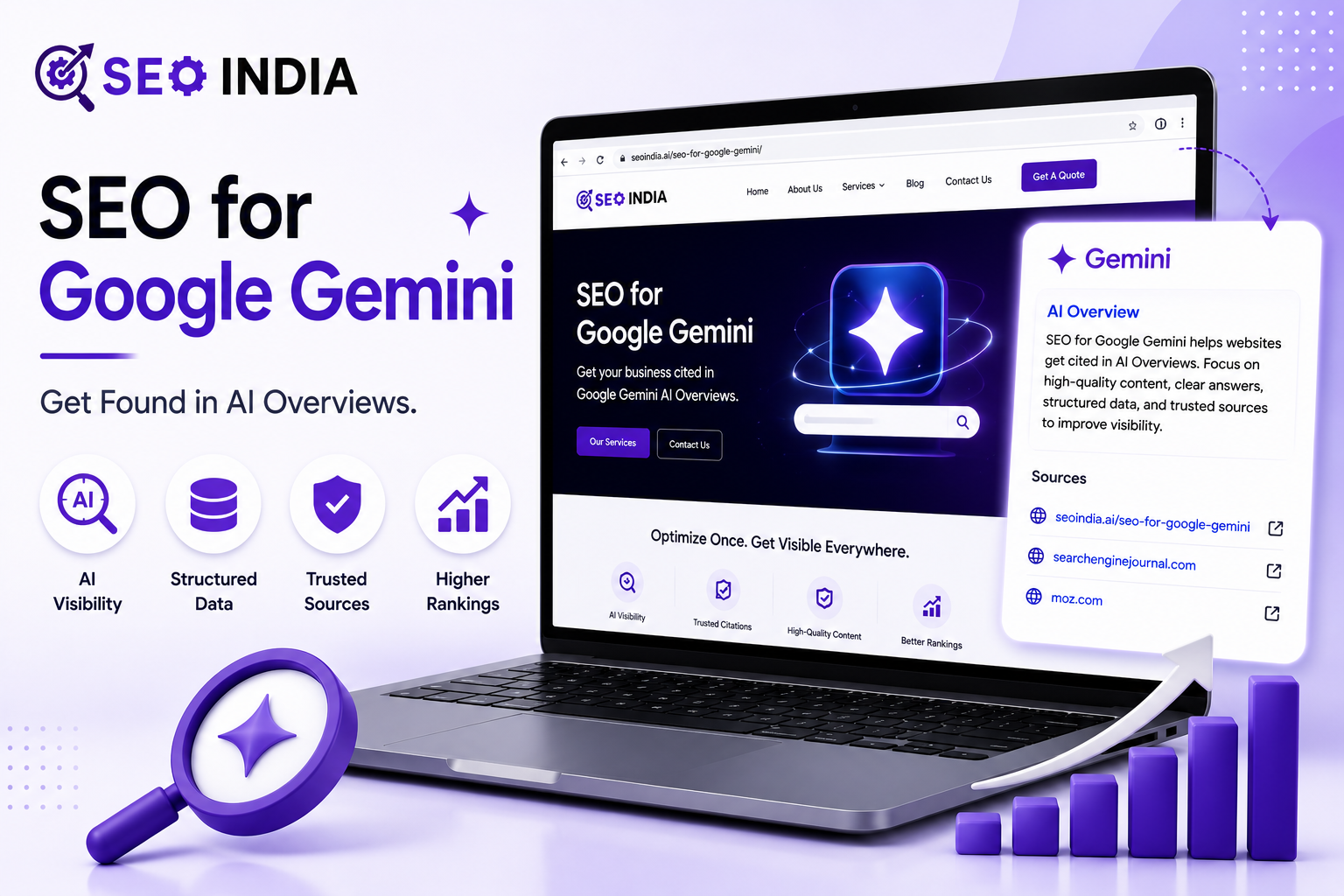
Gemini: Strengthen Your Entity and Structured Data
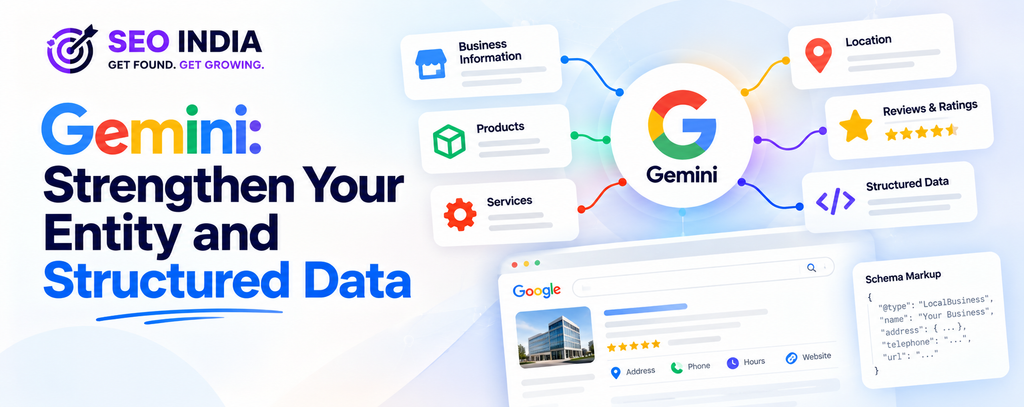
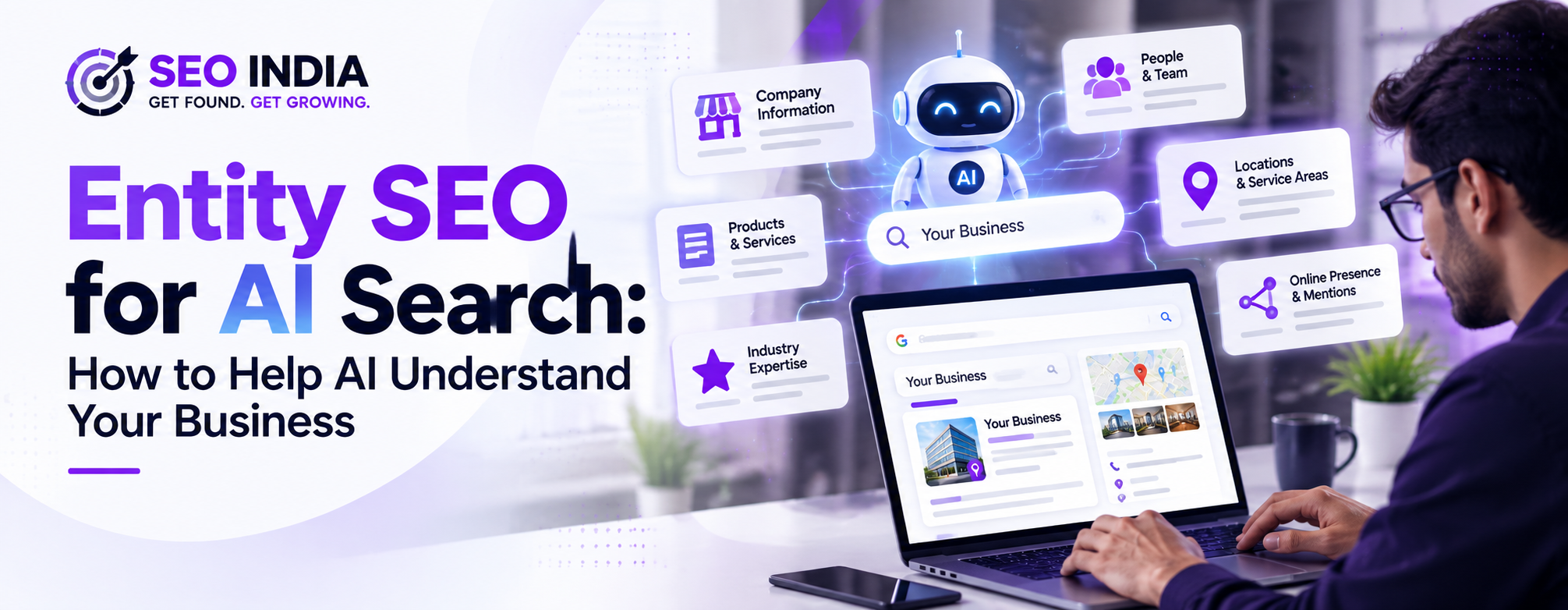
Gemini sits inside Google’s ecosystem, so how Google understands your business matters. Think of your brand as an entity: a clearly defined thing with a name, services, location, people and relationships.
Strengthen it with a complete Google Business Profile, consistent business details everywhere, schema markup on your key pages, and clear author and organization information. The more clearly Google can map who you are, the easier it is for Gemini to place you in an answer.
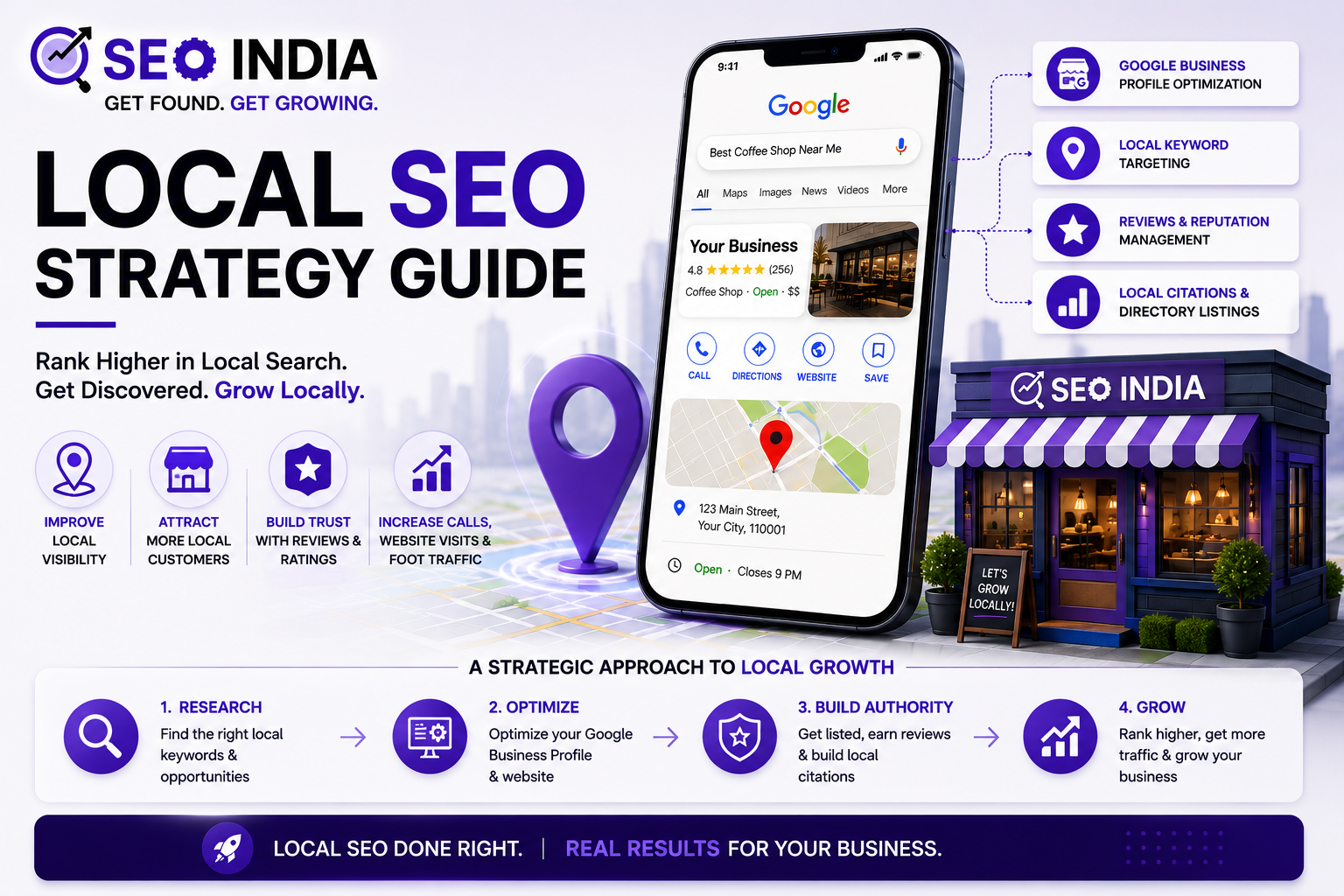
We explain the approach in our page on SEO for Google Gemini, and local businesses should also review our local SEO strategy.
Why One Website Is Not Enough
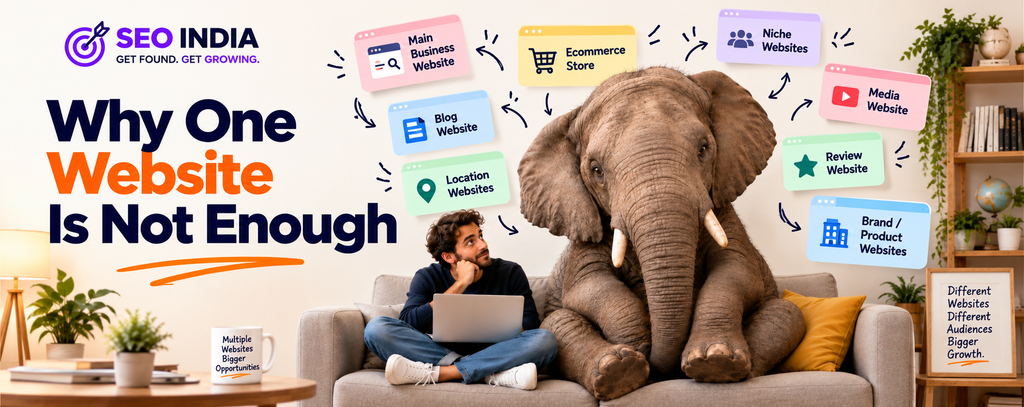
Your own site is the starting point, but AI systems rarely rely on it alone. They look for corroboration: reviews, directory listings, press mentions, partner pages, social profiles, industry articles and community discussions.
If those sources describe you differently, or don’t mention you at all, an AI has less reason to trust a recommendation. A strong website supported by a consistent presence elsewhere is far more convincing than a polished site standing alone.
How to Measure AI Visibility by Platform
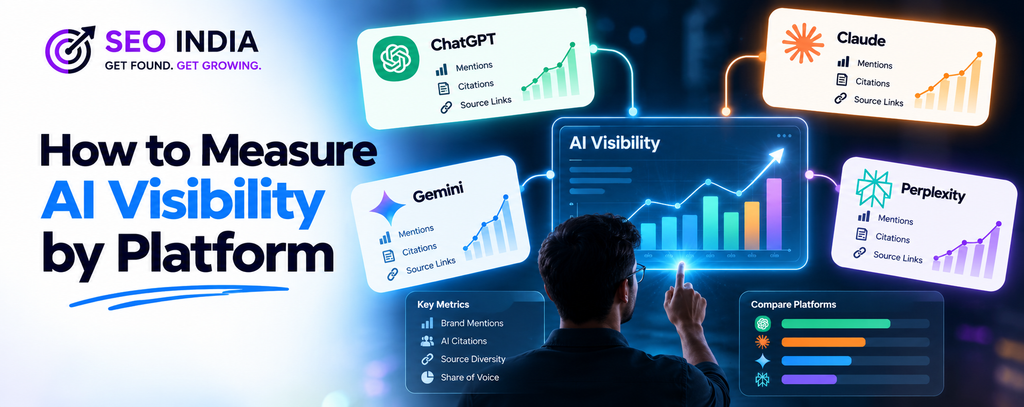
Measuring this means testing, not guessing. Here’s a simple process:
- Write 10 questions a real customer would ask, from broad (“best SEO company”) to specific (“SEO for a dental clinic in a small city”).
- Run each question on all four platforms.
- Record whether your brand is mentioned, how it’s described, which competitors appear and which sources are cited.
- Repeat monthly and compare.
Track results separately for each platform, because an average hides the gaps. Our guide on how to rank in AI search platforms walks through this in more detail.
What Your Business Should Do Next
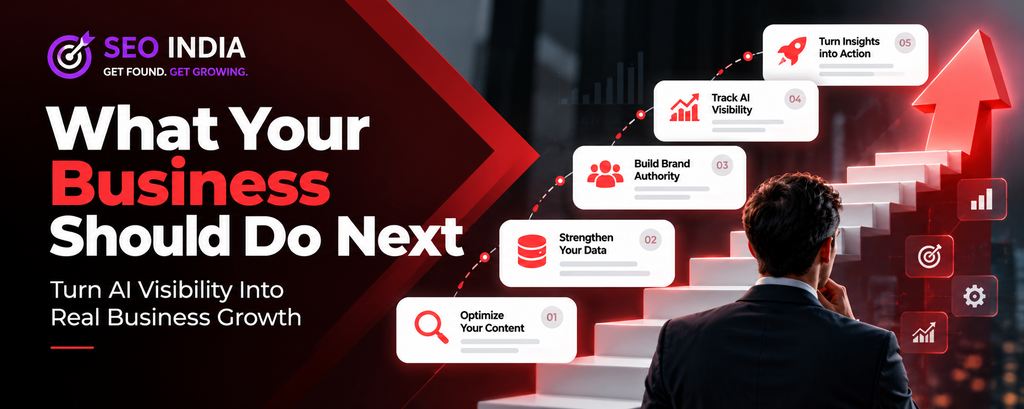
What Your Business Should Do Next
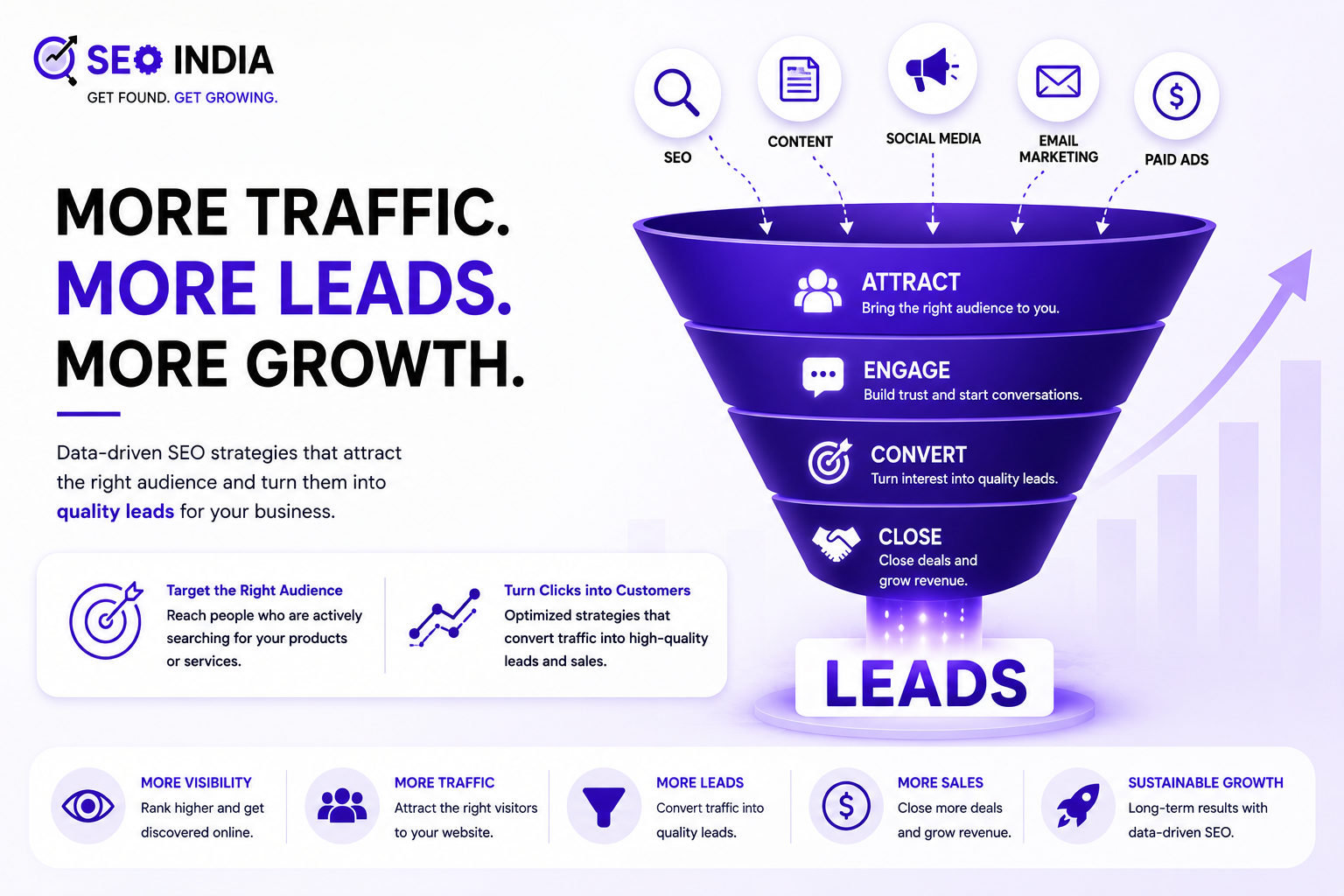
You don’t need four separate strategies. Start with one strong foundation, then adjust.
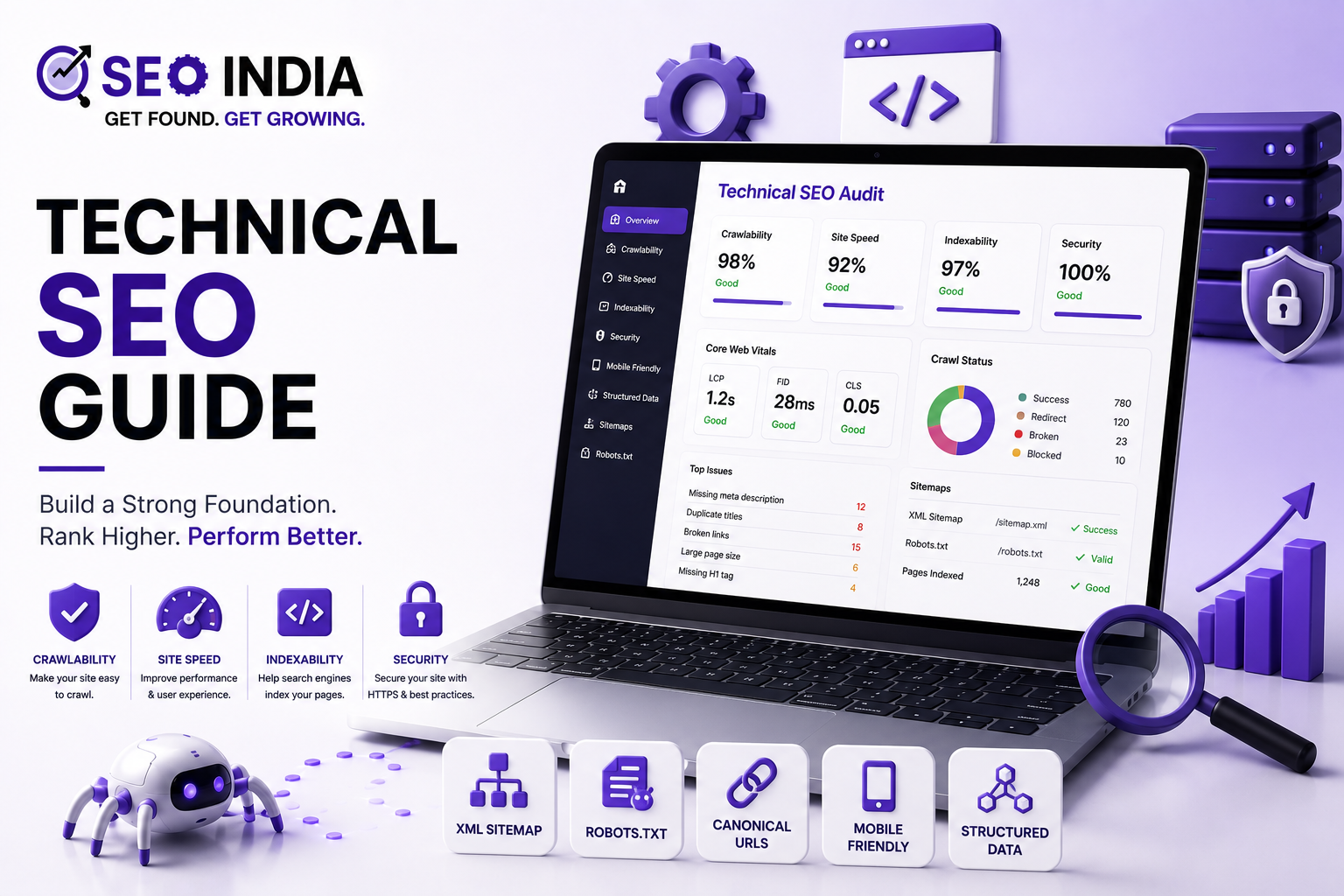
- Fix the basics. Speed, mobile experience and crawlability come first. See our technical SEO guide.
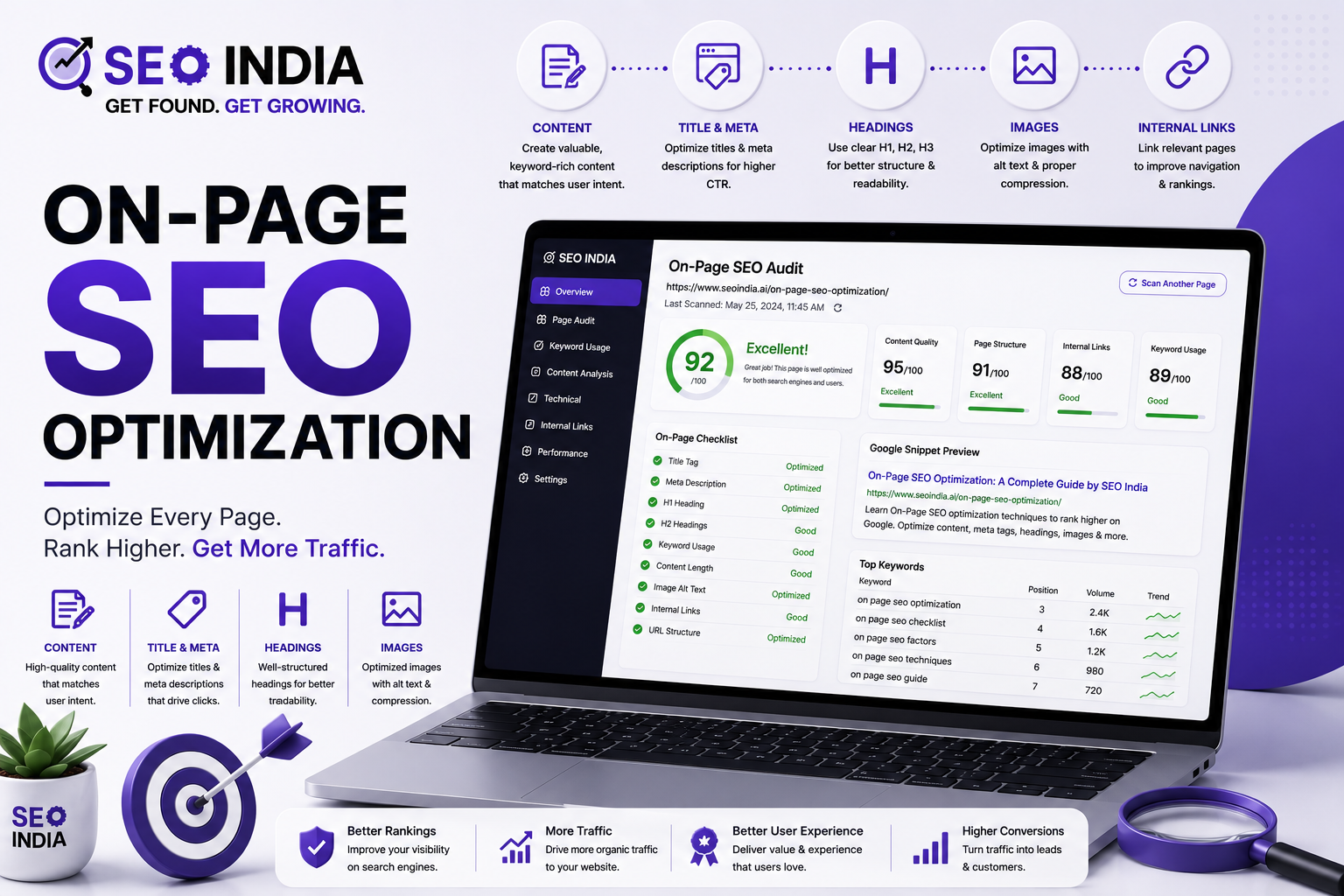
- Build deep pages on your core topics, each answering the full question a buyer would ask.
- Make your facts clear and verifiable, with named authors, specifics and recent updates.
- Keep your business details consistent on your website, Google Business Profile and directories.
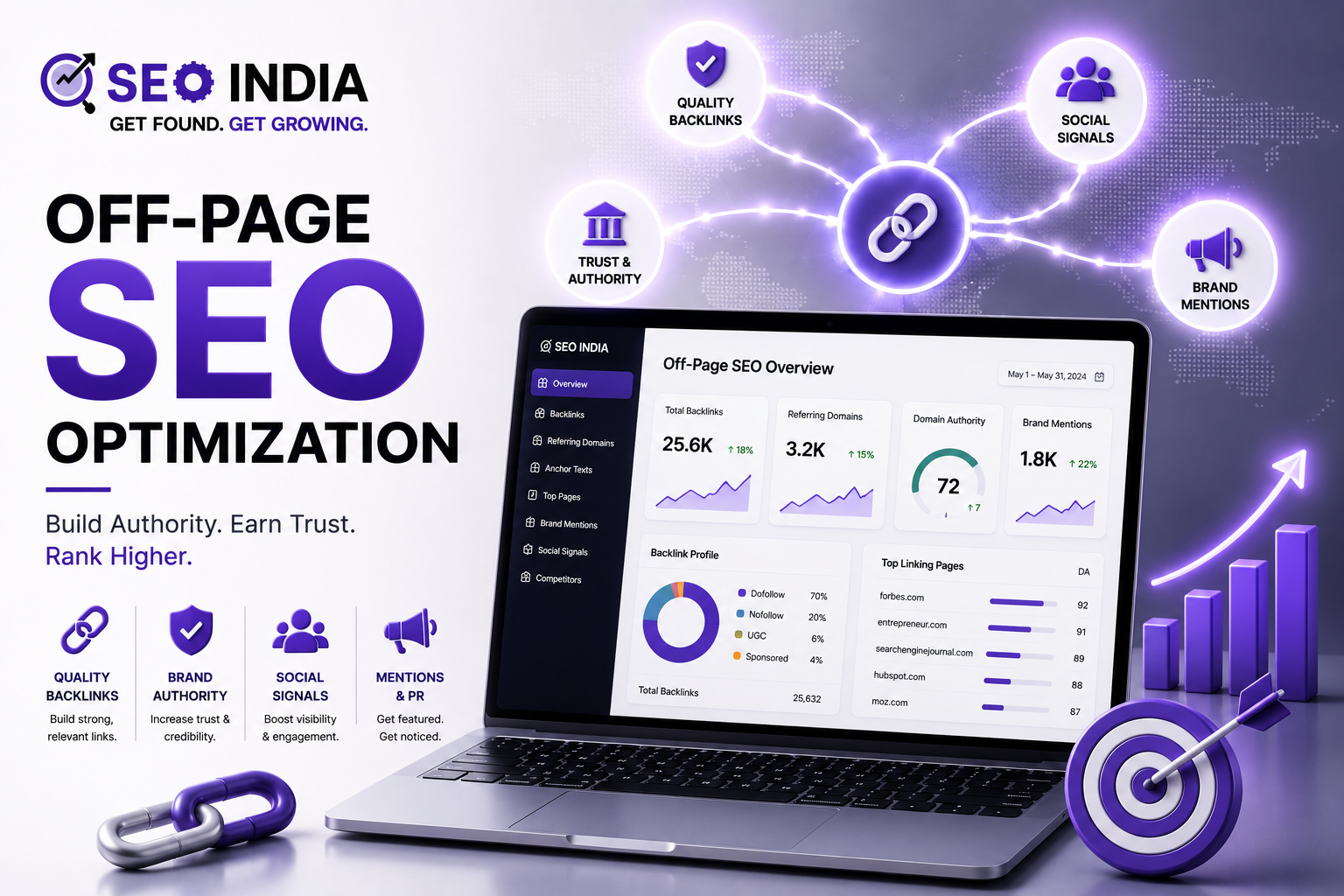
- Earn mentions beyond your site through reviews, partnerships and quality links.
- Test monthly and adjust based on what each platform shows.
How SEO India Can Help
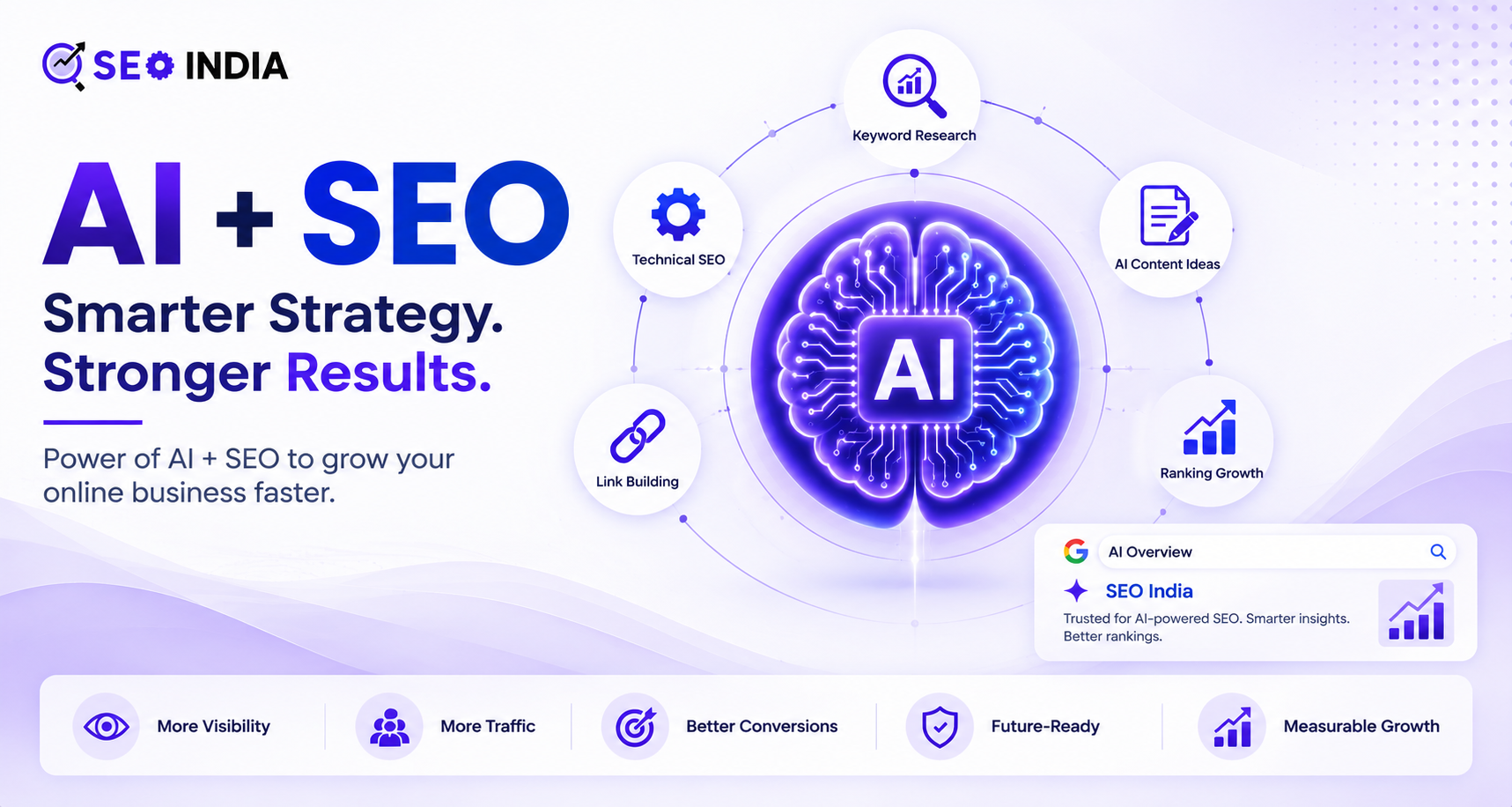
SEO India helps businesses build visibility across both traditional search and AI platforms. We start by checking where you appear today, then build a plan that covers technical health, content depth, brand consistency and outside mentions, and we report progress in plain language.
If you’d like to see where your business stands, get your free SEO proposal.
FAQs
Why do AI platforms recommend different companies?
They use different models, find information in different ways and prefer different types of sources, so the same question can lead to different shortlists.
Is there a secret formula for getting recommended?
No. The exact systems are proprietary. What works is strengthening the signals these products are known to value: clarity, credibility, consistency and freshness.
Do I need to optimize for each platform separately?
Not from scratch. A strong foundation helps everywhere, and platform-specific adjustments come afterward.
Does traditional SEO still matter?
Yes. Crawlability, content quality and backlinks remain the base that AI visibility is built on.
How often should I check my AI visibility?
Monthly is a good starting point, since AI answers change over time.
Final Takeaway
AI search is not one system, so there’s no single trick that works everywhere. The businesses that get recommended are the ones that are easy to understand, easy to verify and consistently described across the web. Build that foundation, measure it by platform, and keep improving it with SEO India.